
24/7 Customer Support

Free returns

Same-day & Next-day Delivery

Quality Guaranteed

Unlock Your Welcome Offers: FREE Delivery | Up to 80% OFF | Free 30-day JoyPlus trial
Download the APP
Finding the right mailing envelope can feel like a small detail, but it is crucial for ensuring your items arrive safely, professionally and cost-effectively. Whether you are an e-commerce seller shipping products, an office administrator sending documents or simply managing a home office, the sheer variety of options can be overwhelming. From standard business envelopes to protective postal bags, making the right choice protects your contents and reflects on your professionalism.
This guide is designed to simplify the process. We will walk through the key considerations for selecting the right type of envelope for your needs and highlight a few practical options for common mailing tasks.
Before you purchase, consider these factors to ensure you get the most suitable option for your specific requirements.
The most important factor is what you are sending. Different items require different levels of protection.
Envelope sising in the UK follows standard conventions that correspond to paper sizes.
The sealing method also impacts convenience and security. Self seal envelopes feature an adhesive strip that requires you to simply press the flap down to close it, offering a quick and hygienic solution without needing moisture or tape.
While robust protection is important, it is also wise to consider the impact on postage. Heavier or bulkier packaging, such as some postal bags or heavily padded mailers, can increase shipping costs. The goal is to find the right balance. Use a lightweight padded mailer for a delicate but light item, and reserve heavy-duty packaging for items that truly need it. Choosing the correct size also prevents you from paying for unnecessary weight and space.
Based on common mailing needs for businesses and home offices, here are some recommended options that offer practical features and reliability.
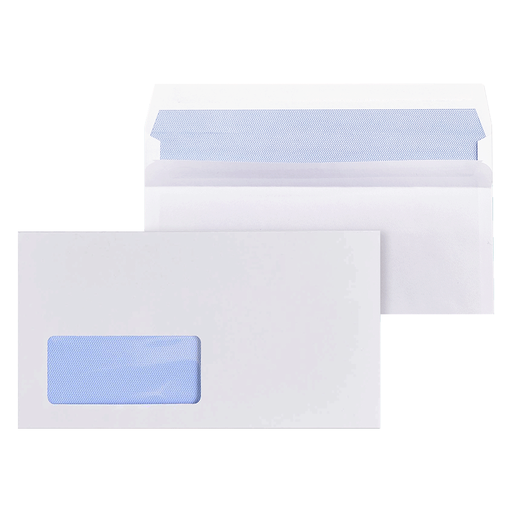
Why It Stands Out: These DL envelopes are a staple for any office environment. The integrated window saves time by displaying the recipient's address from the letter inside, eliminating the need for labels. A blue security tint on the inside helps keep sensitive information confidential during transit.
Pros:
Who is it for? Businesses, charities and home offices that regularly send letters, invoices, statements or marketing materials.
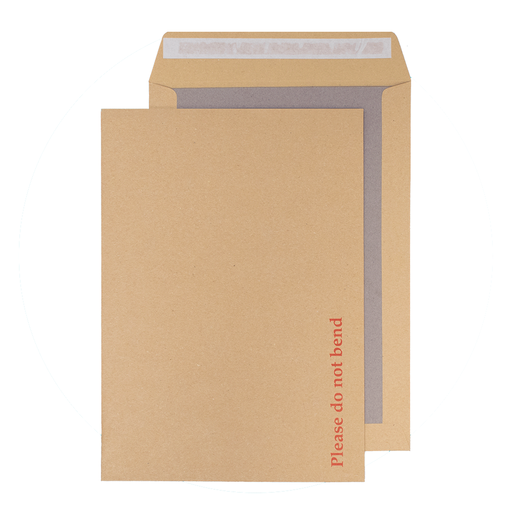
Why It Stands Out: When your delivery must arrive in pristine condition, these do not bend envelopes are the ideal solution. The combination of a flexible paper front and a rigid 1000-micron board back provides excellent protection against creasing. The prominent "Please Do Not Bend" warning helps ensure careful handling.
Pros:
Who is it for? Anyone sending A4-sized items that cannot be folded, such as legal documents, certificates, photographs, prints or contracts.
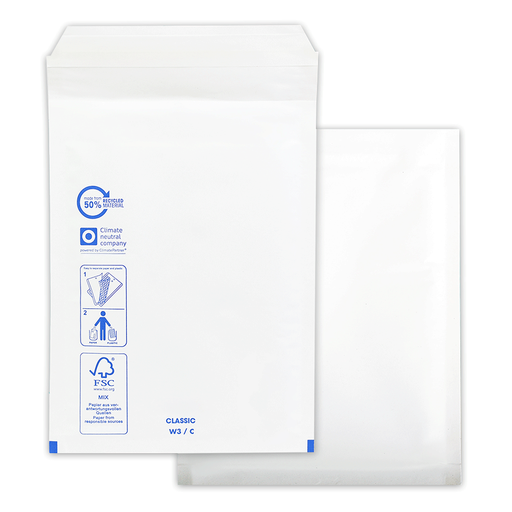
Why It Stands Out: These bubble mailers offer a reliable and lightweight solution for protecting delicate items. The interior is lined with shock-absorbing bubble material, while the tear-resistant kraft paper exterior withstands the rigours of transit. They provide peace of mind when shipping small electronics, jewellery, cosmetics or handmade goods.
Pros:
Who is it for? E-commerce sellers, small businesses and individuals who need to post small, fragile or valuable items safely.
While these envelopes cover many functional mailing needs, you might be looking for something to add a final, professional touch to your packages. For decorative or security seals to complement your packaging, you can explore our range of envelope seals.
1. What is the difference between C4 and DL envelopes? The main difference is size. A C4 envelope (324mm x 229mm) is designed to hold an A4 sheet of paper flat, without folding. A DL envelope (110mm x 220mm) is designed to hold an A4 sheet that has been folded into thirds. C4s are for documents like certificates, while DLs are for standard letters.
2. Are padded envelopes recyclable in the UK? It depends on the type. Traditional padded mailers with bubble lining glued to the paper outer are difficult to recycle. However, many modern options, like the Triplast envelopes featured, are designed for easier recycling. They often include instructions to separate the paper outer from the plastic bubble inner, allowing both components to be recycled correctly. Always check the packaging for specific guidance.
3. When should I use a board backed envelope? You should use a board backed envelope any time you are mailing an item that could be devalued or ruined by being bent or creased. This includes important documents like contracts or legal papers, academic certificates, photographs, art prints and thin magazines or catalogues that you want to arrive in perfect condition.