
24/7 Customer Support

Free returns

Same-day & Next-day Delivery

Quality Guaranteed

Unlock Your Welcome Offers: FREE Delivery | Up to 80% OFF | Free 30-day JoyPlus trial
Download the APP
Sending items through the post, whether it's a crucial contract, a customer's order or a simple letter, requires more than just a stamp. The right mailing envelopes act as the first line of defence, ensuring your contents arrive safely, professionally and without damage. For businesses and organisations, choosing the correct postal packaging is also a balancing act between protection, cost and efficiency.
With so many options available—from standard paper to padded envelopes and rigid mailers—it can be difficult to know which is the right choice for your specific task. This guide is designed to help UK businesses, e-commerce sellers and office administrators select the most suitable envelopes for their needs, focusing on practicality, reliability and value.
Before you buy, consider these key factors to ensure you get the best performance and value from your office supplies.
The type of item you are sending is the most important factor in your decision.
How you seal the envelope and protect its contents can make a significant difference, especially in a busy environment.
Modern businesses are increasingly conscious of their environmental footprint and operational costs.
Here are a few practical options that cater to common business and administrative mailing needs.
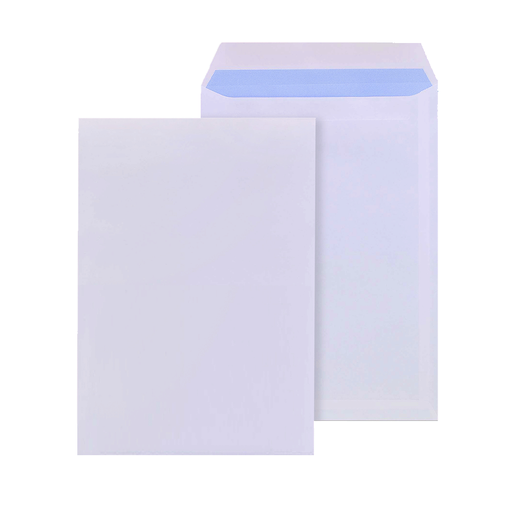
Why It Stands Out: This envelope combines everyday practicality with an essential security feature. The internal blue tint is designed to obscure the contents, making it a reliable choice for confidential correspondence.
Pros:
Who is it for? Offices, schools and charities that regularly send invoices, financial statements or other confidential letters. Its C5 size is perfect for A5 documents or folded A4 sheets.
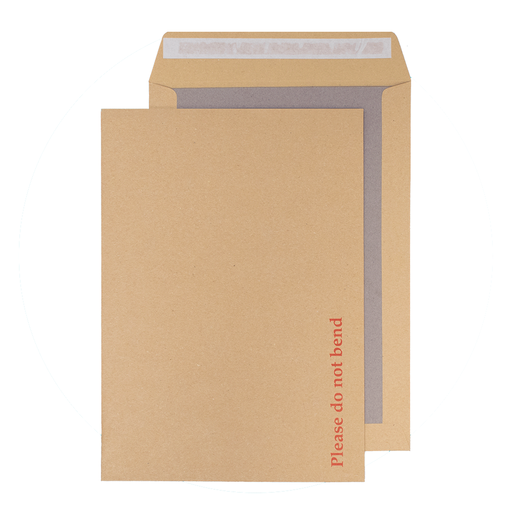
Why It Stands Out: These are classic do not bend envelopes designed for one purpose: to keep flat items pristine. The combination of a strong paper front and a rigid board back provides excellent protection against creasing.
Pros:
Who is it for? Anyone sending important A4 documents, certificates, prints or photographs that must arrive in perfect condition. A staple for legal firms, educational institutions and e-commerce sellers of flat goods.
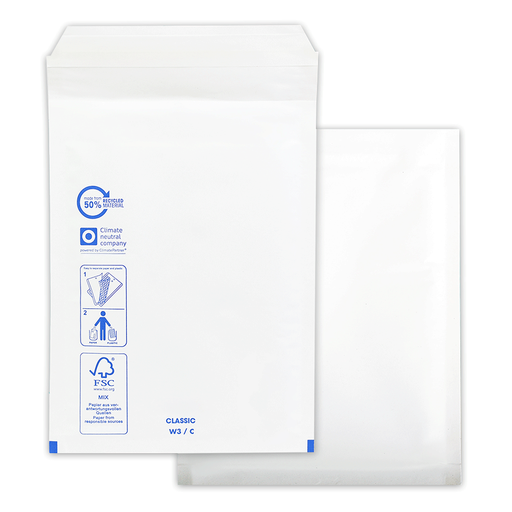
Why It Stands Out: For items that need more than just a paper sleeve, these padded envelopes offer a lightweight yet effective layer of cushioning. The internal bubble lining absorbs shocks and protects against damage.
Pros:
Who is it for? E-commerce businesses and individuals shipping small, delicate items such as jewellery, electronic components, cosmetics or handmade crafts.
Our recommendations cover some of the most common mailing needs, but every task is different. If you require a different size, material or quantity, there are many other solutions available.
Explore our full range of mailing envelopes to find the perfect postal packaging for your business.
1. What is the difference between C4 and C5 envelopes? C-series envelope sizes are designed to fit A-series paper sizes. A C4 envelope (324mm x 229mm) is made to hold an A4 sheet of paper flat, without folding. A C5 envelope (229mm x 162mm) is designed to hold an A5 sheet flat, or an A4 sheet folded in half.
2. Are padded envelopes recyclable in the UK? It depends on the type. Traditional padded mailers with paper outers and bubble-wrap linings are composite materials. To be recycled, the paper and plastic bubble lining must be separated. Some local councils may not accept them in kerbside recycling. However, many modern padded envelopes, including the Triplast model mentioned, are designed for easier separation and may include instructions to facilitate this. Always check with your local authority's recycling guidelines.
3. What does GSM mean for envelopes? GSM stands for 'Grams per Square Metre'. It is a measure of paper weight and density, which indicates its thickness and quality. A higher GSM number means the paper is heavier and more durable. For example, standard office printer paper is typically 80gsm, while a 90gsm envelope offers a bit more strength and opacity, making it better suited for postal transit.