Parents looking for a reduced-fat claim
If the claim is essential, check its wording and comparison product rather than relying on a small pack, a puffed texture or the word “baked”.


A small pack or a baked label does not, on its own, establish that a maize snack is reduced fat. If a reduced-fat claim matters to you, check what the current pack compares it with; then compare fat and salt per 100 g, the portion you plan to serve and the allergen information.
If the claim is essential, check its wording and comparison product rather than relying on a small pack, a puffed texture or the word “baked”.
When comparing flavours or formats for a school-holiday lunch, look at fat and salt on the same per-100-g basis, then check the amount in the pack you intend to serve.
Ingredients and precautionary allergen statements can change the choice, particularly when milk, cereals containing gluten, soya or other named allergens are relevant to the child.
Start with the claim if reduced fat is a firm requirement. After that, use the nutrition panel and intended portion to compare snacks for the lunch you are putting together.
| Priority | What to check | Your needs |
|---|---|---|
| Reduced-fat wording | Read the nutrient named in the claim and its stated comparison. Check the fat figure separately; pack size and cooking method do not establish the claim. | If reduced fat is essential, I want to know what the product is being compared with, not just whether its pack looks small. |
| Fat and salt | Compare both values per 100 g on the products you are considering. Walkers UK lists 33 g fat and 1.96 g salt per 100 g for Wotsits Cheese, and 25 g fat and 1.55 g salt per 100 g for Monster Munch Pickled Onion. | I want to compare recipes on the same basis without overlooking salt while concentrating on fat. |
| Label reading | Use the nutrition table for figures and the traffic-light label, where present, as another way to read the labelled nutrients. Check the serving used for any per-portion figures. | I prefer to read the label rather than judge a snack by its packaging. In the Food Standards Agency and Ipsos Northern Ireland’s 2024 tracker, 49% of respondents said they actively used traffic-light labelling when food shopping; the survey comprised 611 Northern Ireland interviews conducted between September and November 2024. |
| Portion and lunch | Check the pack weight against the amount you intend to serve. If a pack contains more than one portion, use the relevant serving figure rather than treating the whole pack as one serving. | For a school-holiday lunch, I want to decide the snack portion alongside the other food being served. |
| Ingredients and allergens | Read the current ingredients and “may contain” statements for the exact product and flavour. Do not assume that snacks with a similar shape have identical ingredients. | I need to rule out a product if its current allergen information conflicts with the child’s requirements. |
Those descriptions tell you about the method or portion, not whether the product makes a supported reduced-fat comparison.
If the claim is a requirement, read its exact wording and comparison basis on the current pack.
Different pack weights can make per-pack figures difficult to compare as a measure of the recipes.
Compare fat and salt per 100 g first, then use the per-pack or per-serving figures for the amount you plan to serve.
Walkers UK describes Wotsits Cheese Toastie as having 29% less salt than the average value of extruded snacks. That comparison concerns salt, not fat.
Check which nutrient a claim names, then read the fat figure in the nutrition table if fat is your priority.
Changing the product or flavour can change which ingredients and precautionary warnings matter to a household.
Read the physical pack for the exact item being served, including its “may contain” statement.
These examples help distinguish maize snacks from nearby alternatives; a brand or shopping category does not establish a reduced-fat claim for every product it contains.
The Wotsits products discussed here include standard Cheese and maize-containing Cheese Toastie.
Pickled Onion is a maize-based option for shoppers considering a different shape and flavour.
Quavers Cheese may appear near maize snacks when browsing, but it is not a maize-snack substitute for someone who specifically wants maize.
A potato-based alternative to consider when maize is not a requirement.
Tesco uses separate browsing categories for baked and reduced-fat snacks and for snacks under 100 calories.
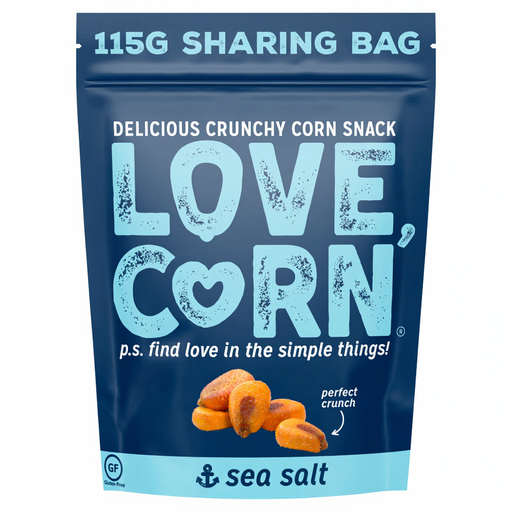
This maize snack option is relevant if you are choosing a portion for a school-holiday lunch and want to check the wording of a fat comparison on the pack.
 No image available
For a school-holiday lunch, decide how much to serve from the 115 g pack. Its stated “50% less fat” comparison uses average potato crisps, not another maize snack; check the claim wording, nutrition figures and allergen information on the current pack before choosing it.
No. “Baked” describes how a snack is made, not the nutrient comparison behind a reduced-fat claim. Read the claim on the current pack and compare its nutrition figures with the products you are considering.
The Walkers UK comparison cited for Wotsits Cheese Toastie concerns salt: 29% less than the average value of extruded snacks. Do not read that as a fat comparison; check the current pack and its nutrition table if fat is the deciding factor.
Use both for different purposes. Per-100-g figures put products on the same weight basis; per-pack or per-serving figures relate to the amount you intend to serve. Check fat and salt on each basis rather than comparing differently sized packs by their front-of-pack figures alone.
Read the ingredients and precautionary allergen statement on the current pack for the exact flavour. Do not assume another maize snack, or another flavour from the same range, has the same information.
Treat the snack as one component of the lunch rather than judging the meal by that packet alone. Department for Education guidance on school food in England describes a balanced diet as including only a small amount of food and drink high in fat, sugar and salt; the portion and the rest of the lunch still matter when choosing at home.