Runners planning long-run or race fuel
Work out how much carbohydrate your planned food provides during the session, and practise the amount and timing in training. A low-fat description alone cannot tell you whether a pack meets that plan.


For a marathon or key long run, choose a practised carbohydrate-fuelling plan rather than relying on a maize snack because it is described as baked or reduced fat. A maize snack can be a savoury option away from a session, but its carbohydrate, fat and salt per serving, pack size and ingredients all matter. A 20 g pack of Monster Munch Pickled Onion, for example, contains 12 g carbohydrate and 5 g fat according to Walkers UK; that is a small carbohydrate contribution compared with the roughly 60 g per hour discussed for prolonged exercise in a 2013 Sports Medicine review.
Work out how much carbohydrate your planned food provides during the session, and practise the amount and timing in training. A low-fat description alone cannot tell you whether a pack meets that plan.
Compare the portion you expect to eat with the pack’s per-100-g figures for carbohydrate, fat and salt. Walkers UK describes Monster Munch Pickled Onion as baked, but lists 5 g fat in a 20 g pack.
Check the exact flavour’s ingredients, allergen statements and dietary labels. Tesco labels its Free From Cheese Balls gluten-free, milk-free and vegan, while its Skips Prawn Cocktail listing carries precautionary allergen information.
Decide whether the food is meant to contribute to fuel during a run or to be a snack away from it; then compare the amount you would actually eat.
| Priority | What to check | Your needs |
|---|---|---|
| Carbohydrate for a long run | Read the carbohydrate grams per pack and plan the amount by session duration. A 2013 Sports Medicine review discusses about 60 g per hour for prolonged exercise lasting two to three hours; that is not a target established by a snack’s packaging. | I need food I can carry, eat and have already practised using during a long run, rather than assuming one small savoury pack covers the session. |
| Timing and fat | Compare fat and carbohydrate per serving, not just a baked description. University College London Hospitals NHS Foundation Trust describes carbohydrate, protein and minimal fat in its guidance for snacks 60–90 minutes before training. | If I want something shortly before a run, I need to consider its timing and how the planned portion fits my own fuelling routine. |
| Ingredients and allergens | Read the ingredients, declared allergens and any precautionary statement on the exact pack. Check a free-from or vegan label for the particular requirement you have. | Does this flavour meet my dietary requirements? Similar-looking puffed snacks need not have the same ingredients. |
| Portion and salt | Check how many servings the bag contains. Use per-100-g figures to compare products, then the per-serving figures for the amount you intend to eat. | With a sharing bag, I want to know what my portion contains rather than treating the whole bag as one labelled serving. |
Baking describes how a snack is made, not its fat content. Walkers UK lists 25 g fat per 100 g for its baked Monster Munch Pickled Onion.
Compare fat per 100 g across packs, then check the fat in the portion you expect to eat.
Walkers UK lists 12 g carbohydrate in a 20 g Monster Munch Pickled Onion pack. For context, a 2013 Sports Medicine review discusses roughly 60 g carbohydrate per hour during prolonged exercise lasting two to three hours.
Plan carbohydrate by the session and practise the foods, amounts and timing during training.
Walkers UK lists potato starch in Quavers Cheese, while Tesco describes Skips Prawn Cocktail as a tapioca snack containing maize flour. Their ingredient and allergen information differs.
Read the current label for the exact flavour before choosing it for a dietary requirement.
A larger bag may contain more than one labelled serving, so its per-serving nutrition may not describe the amount eaten.
Check the stated serving size and compare the per-100-g and per-serving panels before deciding on a portion.
Its Monster Munch range includes a baked corn snack, but the product’s nutrition panel still matters when comparing fat and carbohydrate.
Tesco describes its Cheese Balls as maize and potato snacks labelled gluten-free, milk-free, wheat-free and suitable for vegans.
Skips Prawn Cocktail is relevant when comparing puffed savoury snacks, although Tesco describes it as a tapioca snack containing maize flour.
These corn snacks and popcorn offer different pack sizes for a savoury snack away from a key run. Their names and formats do not establish that they are reduced fat or suitable as a complete marathon-fuelling plan; check the current nutrition and ingredient panels for the portion you intend to eat.
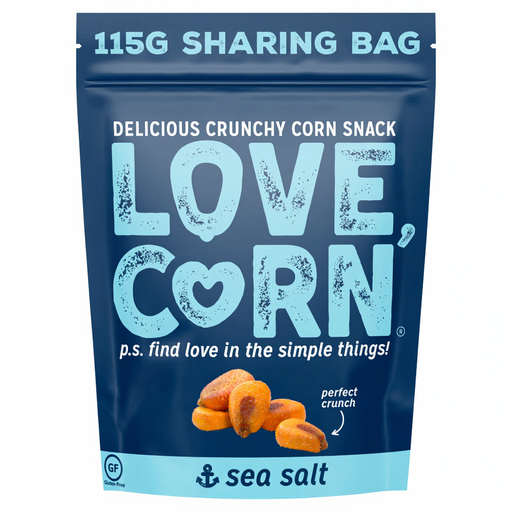 No image available
A 115 g pack for a savoury snack away from a key session. Check the nutrition panel for your chosen portion and the current allergen information before buying.
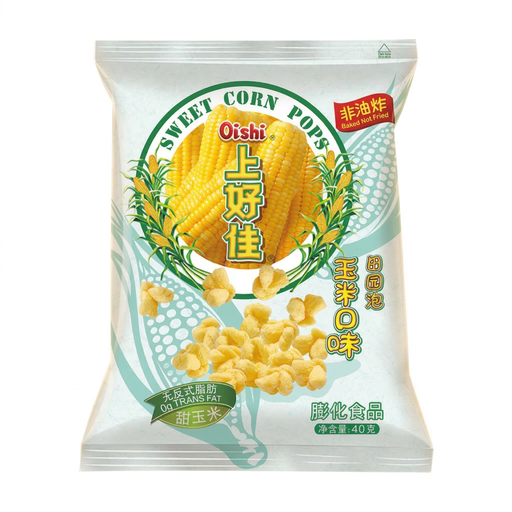 No image available
The 40 g pack provides a defined amount to compare with other snack portions. Check its fat and carbohydrate per pack, and read the ingredients if you avoid wheat.
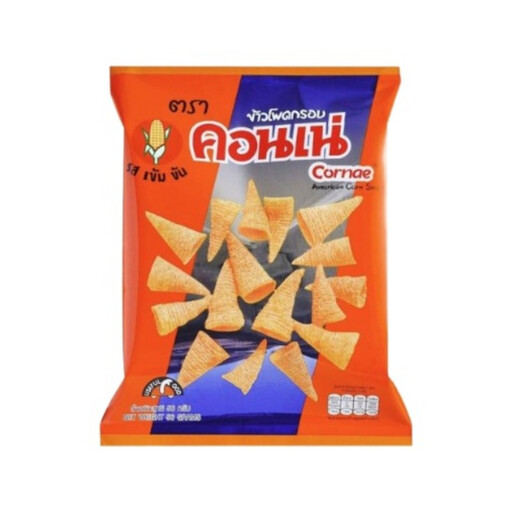 No image available
A 48 g corn snack to assess as an occasional savoury option. Compare the pack’s carbohydrate and fat figures with the amount you plan to eat, and check its allergen panel.
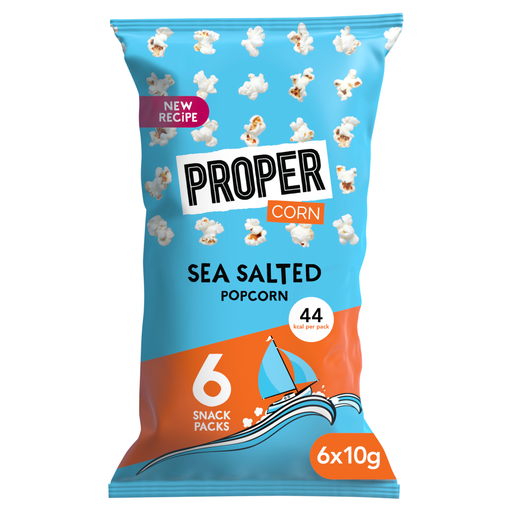 No image available
Six 10 g bags make the portion size clear for an occasional snack. Check carbohydrate per bag before considering its contribution around training, and read the current allergen statement.
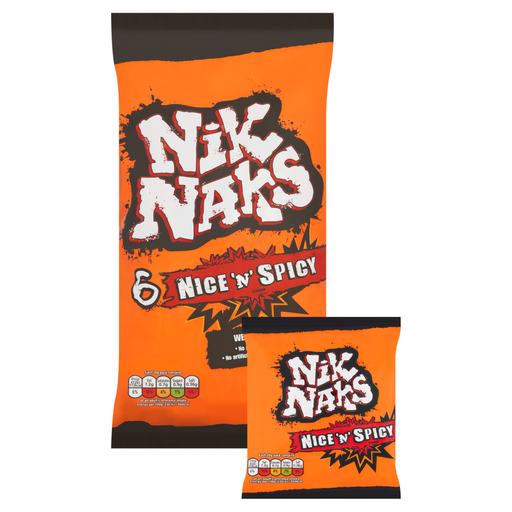 No image available
This multipack contains six 20 g bags for a defined snack portion. Compare fat and carbohydrate per bag rather than relying on the pack format, and check the ingredients for relevant allergens.
No. “Baked” describes preparation, not the fat in the finished snack. Walkers UK describes Monster Munch Pickled Onion as baked corn snacks but lists 25 g fat per 100 g, so compare the nutrition panels of the exact products you are considering.
Do not rely on one pack as the whole plan for a prolonged run. Walkers UK lists 12 g carbohydrate in a 20 g Monster Munch Pickled Onion pack, while a 2013 Sports Medicine review discusses about 60 g carbohydrate per hour for exercise lasting two to three hours. Plan and practise the foods and amounts you intend to use.
Check the time before your run, carbohydrate and fat in the portion, and whether you have tolerated that food in training. University College London Hospitals NHS Foundation Trust describes carbohydrate, protein and minimal fat in its guidance for snacks 60–90 minutes before exercise; people following a clinician-led nutrition plan should use their individual advice.
Not in the same way. Walkers UK lists potato starch among the ingredients of Quavers Cheese, while Tesco describes Skips Prawn Cocktail as a tapioca snack that contains maize flour. Read the ingredient list rather than judging the base from a puffed texture.
Read the ingredients, allergen information and any precautionary statement on the exact flavour and pack. Tesco labels its Free From Cheese Balls gluten-free, milk-free, wheat-free and vegan, but those labels should not be assumed to apply to other maize snacks.