Travellers packing individual snacks
If you are filling a bag for a journey or day trip, protein per pack matters as well as protein per 100g. Check the size of each inner pack before choosing a multipack.


For a maize-based snack to take on a summer trip, compare protein per 100g, then check how much protein is in the pack you will actually eat. Myprotein lists 18g per 100g for Protein Popcorn, compared with 15g for Tesco-listed Graze Marmite Crunch Protein and 9g for Tesco-listed Wotsits Cheese Toastie. More protein does not automatically mean a product qualifies for a “high protein” claim: legislation.gov.uk sets a Great Britain condition of at least 20% of energy from protein, and the declared figures for Myprotein Protein Popcorn work out at about 17%.
If you are filling a bag for a journey or day trip, protein per pack matters as well as protein per 100g. Check the size of each inner pack before choosing a multipack.
If you want more protein while keeping a maize-based snack format, compare nutrition panels rather than product names. A higher figure than another crisp does not, by itself, establish a “high protein” claim in Great Britain.
Read the current ingredients and allergen statement for the exact flavour and pack. The maize-based examples include products containing milk or soya, while precautionary warnings differ between products.
Start with a per-100g comparison, then use the pack figures and current label to decide what works for the trip. In a Food Standards Agency and Ipsos Northern Ireland survey of 611 adults interviewed from September to November 2024, label-use findings describe those respondents, not demand for protein snacks across the UK.
| Priority | What to check | Your needs |
|---|---|---|
| Protein comparison | Compare protein per 100g across pack sizes. Myprotein lists 18g for Protein Popcorn; Tesco lists 15g for Graze Marmite Crunch Protein and 9g for Wotsits Cheese Toastie. | I want to compare maize-based snacks on the same basis, rather than choose one because its name includes “protein”. |
| Amount per pack | Check protein and energy for the portion you will eat, plus the number and size of inner packs. Myprotein lists 3.8g protein per 21g serving; Tesco lists 1.4g per 16g Wotsits Cheese Toastie pack. | A small bag is convenient to carry, but I want to know what that bag contains—not just the figures for 100g. |
| Pack information | Read the back-of-pack nutrition information alongside any front-of-pack wording. For a “high protein” claim in Great Britain, legislation.gov.uk specifies that at least 20% of the food’s energy must come from protein. | I want the label to answer my question about protein. In the 2024 Food Standards Agency and Ipsos Northern Ireland survey, 35% of respondents named back-of-pack nutritional claims as their primary source of nutritional information. |
| Other nutrition figures | Compare salt, fibre and energy on the same per-100g basis, then check the portion. Tesco lists 1.1g salt per 100g for Graze Marmite Crunch Protein; Walkers lists 1.55g for Monster Munch Pickled Onion. | Protein is not the only figure I check. In the 2024 Food Standards Agency and Ipsos Northern Ireland survey, 49% of respondents said they actively used traffic-light labelling when shopping for food. |
| Ingredients and allergens | Check the current ingredients, contains and may-contain statements for the exact product and flavour. Myprotein Protein Popcorn includes milk-derived whey protein and soya lecithin; Walkers says Wotsits Cheese contains milk. | Everyone travelling needs a snack that fits their ingredient and allergen requirements, so I cannot rely on the label from another flavour or an older pack. |
Protein grams alone do not settle whether a food meets the Great Britain condition for a “high protein” claim. Legislation.gov.uk specifies at least 20% of energy from protein; Myprotein’s declared figures for Protein Popcorn work out at about 17%.
If the formal claim matters to you, check the product’s nutrition information against that condition rather than relying on its name.
Myprotein lists 3.8g protein per 21g Protein Popcorn serving, while Tesco lists 1.4g per 16g Wotsits Cheese Toastie pack. Those figures describe different amounts of food.
Use per-100g figures to compare products, then check the nutrition in the portion you plan to take.
Salt and allergen declarations can affect the choice independently of protein. Tesco lists 1.1g salt per 100g for Graze Marmite Crunch Protein, while several of the cheese or flavoured maize snacks declare milk.
Read the current nutrition panel and allergen statement for the exact flavour and pack size.
Walkers lists potato starch first in the ingredients for Quavers Cheese, so its shape or place among crisps does not make it a maize-snack comparison.
If maize content matters, check the ingredients rather than relying on the snack’s appearance.
Myprotein lists a maize-based Protein Popcorn in 21g servings.
Tesco lists Graze Marmite Crunch Protein as a broad-bean and corn snack mix.
The maize-based Wotsits products here include Cheese Toastie and standard Cheese puffs.
Walkers lists Pickled Onion as a maize-based Monster Munch snack.
Walkers lists Quavers Cheese among its snack products, but identifies potato starch rather than maize as its main ingredient.
These Joybuy options include corn snack mixes, individually packed popcorn and roasted corn. Use their exact pack labels to compare protein and other nutrition figures; the product names alone do not establish a “high protein” claim.
 No image available
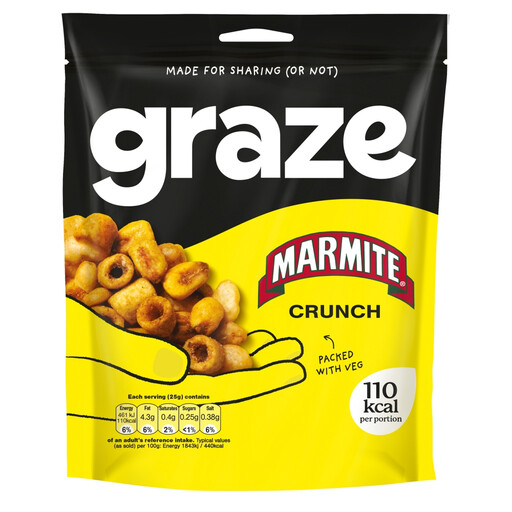
A 100g snack option if you prefer a pack you can portion yourself. Check this pack’s current nutrition and allergen statements rather than applying figures from a differently named Graze listing.
 No image available
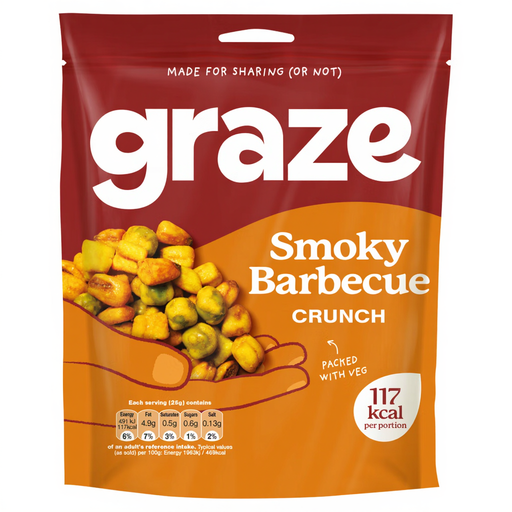
Another 100g pack to consider when comparing snack mixes for a trip. Check the exact pack for ingredients, protein per 100g and allergen advice before choosing it for the group.
 No image available
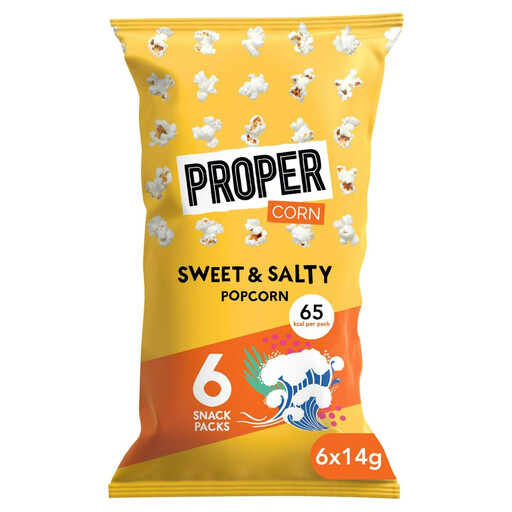
Six 14g popcorn bags make it straightforward to pack individual portions for a journey. Compare the nutrition per bag as well as per 100g, and note the Sweet & Salty flavour when choosing snacks for the trip.
 No image available
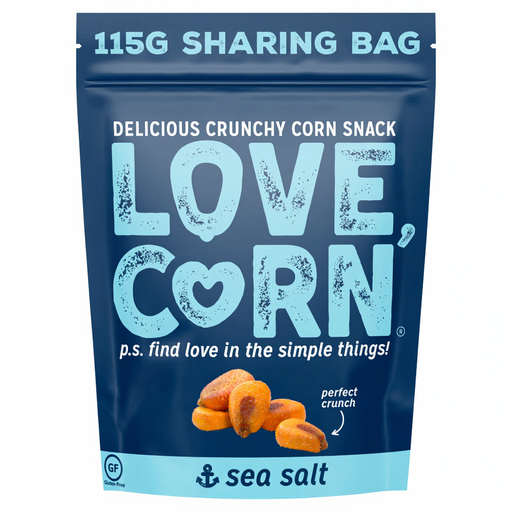
A sea-salt corn snack in a 115g pack. If you plan to take less than the whole pack, check the labelled serving size alongside its per-100g nutrition and allergen information.
For a “high protein” nutrition claim in Great Britain, legislation.gov.uk specifies that at least 20% of the food’s energy value must come from protein. Protein grams or the word “protein” in a product name do not establish that condition on their own; the Great Britain scope does not automatically describe rules elsewhere.
Not necessarily. Myprotein declares 18g protein and 1,798kJ per 100g for Protein Popcorn; using the protein-energy calculation in the supplied product comparison gives about 17% of energy from protein. That is below the 20% Great Britain condition stated by legislation.gov.uk, despite its higher protein-per-100g figure than the other maize-based examples discussed here.
Use per 100g to compare snacks of different pack sizes, then check the amount in the pack you expect to eat. Myprotein lists 3.8g protein per 21g Protein Popcorn serving, while Tesco lists 1.4g per 16g Wotsits Cheese Toastie pack.
Tesco labels Graze Marmite Crunch Protein suitable for vegans and describes it as a broad-bean and corn mix with 15g protein per 100g. It is not a pure corn puff; check the current pack’s ingredients and precautionary allergen statement against your requirements.
Read the current ingredients and allergen statement on every exact product and flavour you intend to pack. Myprotein Protein Popcorn includes milk-derived whey protein and soya lecithin, while Walkers states that Wotsits Cheese contains milk; other products’ precautionary statements may differ.