Lunch packers prioritising protein
If you want the snack itself to make a substantial protein contribution, compare protein crisps by the amount in the pack you will eat. Myprotein lists 11g per 25g pack; Applied Nutrition lists 15g per 50g bag.


Choose a protein crisp if you want the crunchy part of a ploughman's lunch to contribute a substantial amount of protein: Myprotein lists 11g per 25g pack, and Applied Nutrition lists 15g per 50g bag. For familiar maize-snack flavour and texture, conventional options still make sense, but Walkers lists 1.2g per serving for Wotsits Cheese and Tesco lists 0.9g for KP Meanies. Protein-focused crisps use different ingredients, so check the exact flavour's ingredients, allergens and salt as well as its protein per pack.
Decide whether the snack needs to add protein to the lunch or mainly provide a particular kind of crunch.
If you want the snack itself to make a substantial protein contribution, compare protein crisps by the amount in the pack you will eat. Myprotein lists 11g per 25g pack; Applied Nutrition lists 15g per 50g bag.
If maize flavour and texture matter more than protein from the snack, a conventional option may suit the lunch. Walkers lists 1.2g protein per 22.5g serving of Wotsits Cheese, while Tesco lists 0.9g per 17g serving of KP Meanies.
Protein crisps and maize snacks can have quite different ingredients. The Myprotein Salt & Vinegar example contains soya protein concentrate, while Wotsits Cheese contains milk. Check the declaration on the exact flavour before packing it for yourself or someone else.
Start with the snack's job in the lunch, then compare the portion you will actually pack rather than relying on a protein-related name.
Choose when: You want the packaged snack itself to contribute substantially to the lunch's protein; the Myprotein and Applied Nutrition examples list 11g and 15g per pack respectively.
Trade-off: These use soya or mixed pea-and-pulse ingredients rather than offering the same formulation as a conventional maize snack.
Choose when: You want corn in the snack and are content with a smaller protein contribution; Tesco lists 3.8g per 25g portion of Graze Marmite Crunch.
Trade-off: That portion contains less protein than either protein-crisp pack above, and the sharing bag needs portioning for lunch.
Choose when: Familiar maize-snack flavour or texture is the reason for adding a crunchy accompaniment.
Trade-off: Walkers and Tesco list only 1.2g per serving for Wotsits Cheese and 0.9g for KP Meanies respectively, so these examples contribute little protein from the snack itself.
| Priority | What to check | Your needs |
|---|---|---|
| Protein per portion | Read the protein figure for the pack or portion you intend to eat. Check the pack size too: a per-100g figure describes a different amount of food. | I want to know what the crunchy part actually contributes, not just whether the packaging mentions protein. |
| Maize content | Read the ingredients in order. Walkers lists maize first for Wotsits Cheese; Applied Nutrition describes Protein Chips as a mix including pea protein, lentil flour, fava beans, potato and corn ingredients. | If familiar maize-snack character matters to me, I do not want to assume a protein crisp will have the same ingredients. |
| Exact flavour and allergens | Check the current ingredients and allergen declaration for the flavour you are buying. Myprotein's Salt & Vinegar crisps list soya protein concentrate; Walkers states that Wotsits Cheese contains milk. | I need to check the particular pack before including it in a shared lunch. |
| Salt | Compare salt for the amount you plan to eat, alongside protein. Myprotein lists 1.40g salt per 25g pack for its Salt & Vinegar protein crisps. | Protein is important to my choice, but I also want to see the salt figure for that serving. |
| Lunch storage | Plan separately for any chilled foods. The Food Standards Agency advises keeping foods normally refrigerated in a cool bag or cool box with ice or frozen gel packs when taking them on a picnic. | When I pack cheese, dips or other refrigerated parts of the lunch, I need a way to keep those foods cool. |
Tesco lists 3.8g protein per 25g portion of Graze Marmite Crunch, compared with 0.9g per 17g serving of KP Meanies. Those are different portion sizes, and neither figure matches the 11g or 15g per pack listed for the Myprotein and Applied Nutrition protein crisps.
Compare the amount in the portion or pack you will put in the lunch, then decide how much protein you want that snack to provide.
The Myprotein example contains soya protein concentrate; Applied Nutrition describes a mixture of pea protein and other plant ingredients. That distinction matters if you are choosing for ingredients or an allergy as well as for protein.
Read the ingredient list and allergen declaration for the exact flavour rather than treating the two snack types as interchangeable.
Myprotein lists 1.40g salt in a 25g pack of its Salt & Vinegar protein crisps. A protein figure alone does not tell you the salt content of the snack you plan to eat.
Compare both figures on the nutrition table for the exact flavour and portion.
The Food Standards Agency advises that picnic foods normally kept in the fridge should also be kept cool when taken out. This applies to the refrigerated parts of a ploughman's lunch, not simply to the choice of dry crunchy snack.
Pack chilled components in a cool bag or cool box with ice or frozen gel packs.
Allow room to carry the cool bag and cooling packs alongside the lunch.
These named products illustrate different snack formulations; their figures apply to the stated packs and portions, not every product from each brand.
Applied Nutrition Protein Chips are a pea-protein-based crisp option when the snack itself needs to contribute protein.
Myprotein Popped Protein Crisps offer a smaller individual pack with a stated protein amount for the whole pack.
Graze Marmite Crunch Protein combines corn ingredients with broad beans in a sharing snack.
Wotsits Cheese is a conventional baked maize snack for shoppers choosing a familiar maize-snack accompaniment.
KP Meanies Pickled Onion is another conventional maize-snack example for flavour and crunch.
These corn-flavoured and maize-snack options are choices for adding crunch to a ploughman's lunch. If protein from the snack is your priority, compare each exact pack's nutrition and ingredients before choosing; the named protein crisps discussed above are separate examples.
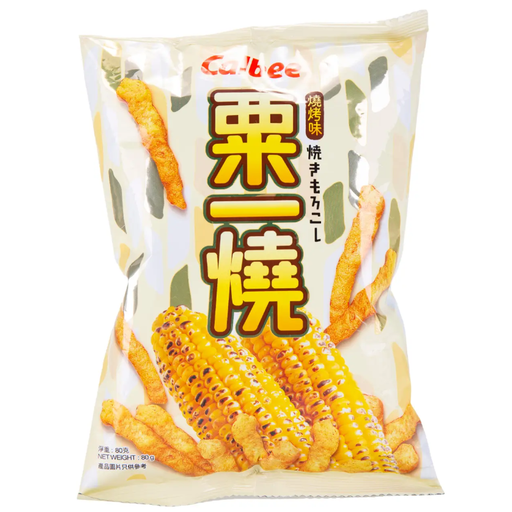 Image unavailable
For a lunch where you plan to portion out a crunchy snack, this is an 80g grilled-corn snack pack. Check its protein per intended portion and its current allergen declaration if either affects your choice.
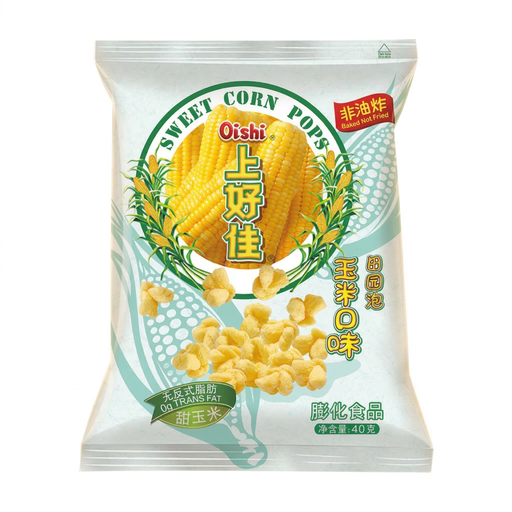 Image unavailable
If you want a sweet-corn-flavoured puff alongside lunch, this option comes in a 40g pack. Read the nutrition table for its protein contribution and the pack declaration for ingredients and allergens.
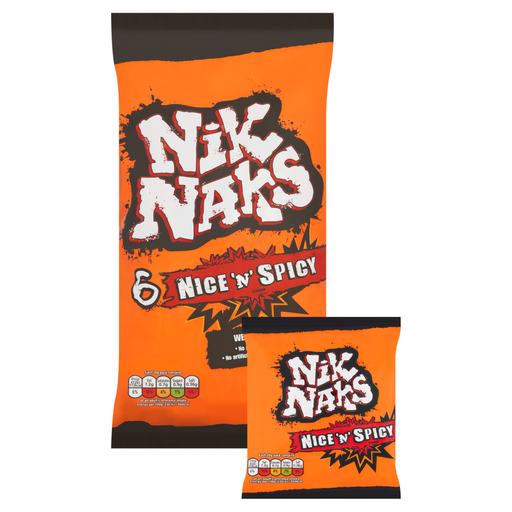 Image unavailable
For individually packed spicy corn snacks alongside lunch, this multipack contains six 20g packs. Compare nutrition for one pack if that is the amount you will eat, and check the current allergen declaration.
The conventional examples here add relatively little per stated serving: Tesco lists 0.9g in 17g of KP Meanies, and Walkers lists 1.2g in 22.5g of Wotsits Cheese. Choose those examples for their maize-snack character rather than relying on the snack for a substantial protein contribution.
Myprotein lists 11g protein per 25g pack of Popped Protein Crisps, while Applied Nutrition lists 15g per 50g bag of Protein Chips. Neither is simply a conventional maize snack: the Myprotein example uses soya protein concentrate, and Applied Nutrition describes a mixed pea-and-pulse formulation.
Yes. Myprotein lists soya protein concentrate in its Salt & Vinegar Popped Protein Crisps. Check the ingredients and allergen statement on the exact current flavour rather than assuming that all plant-based crisps have the same formulation.
Keep foods you would normally refrigerate cool, rather than treating the dry crunchy snack as the main storage concern. The Food Standards Agency advises using a cool bag or cool box with ice or frozen gel packs for refrigerated picnic foods.