
24/7 Customer Support

Free returns

Same-day & Next-day Delivery

Quality Guaranteed

Unlock Your Welcome Offers: FREE Delivery | Up to 80% OFF | Free 30-day JoyPlus trial
Download the APP
Finding a make-up concealer that looks natural in changing UK weather, sits comfortably under the eyes and covers imperfections without becoming obvious can take more than choosing the most appealing tube on a shelf. The right option depends on your skin tone, intended use, finish and application method.
Marketing language can also make comparison difficult. A formula described as “full coverage” may feel heavy under the eyes, while a “hydrating” concealer may not provide enough coverage for blemishes. Before buying, focus on the details that affect everyday wear.
Names such as Ivory, Sand, Vanilla and Beige are not standard shade references. A fair-skin concealer may have pink, yellow or neutral undertones, and the wrong undertone can make dark circles look grey or blemishes appear more noticeable.
For under-eye concealer, choose a shade close to your skin tone or slightly brighter. For blemish concealer, a closer match is usually more discreet. If you have fair skin with neutral undertones, compare both the depth and undertone rather than relying on the shade name alone.
A full-coverage concealer can be practical for dark spots or noticeable redness, but applying too much beneath the eyes may emphasise texture. A lightweight liquid concealer is often easier to build gradually, while a concealer stick can provide targeted coverage on small areas.
The finish matters as much as the pigment. Matte formulas may suit oilier areas, whereas a hydrating concealer can feel more comfortable around dry under-eye skin. Neither finish is automatically suitable for every face area.
Ingredients such as glycerin, sodium hyaluronate, squalane, bisabolol and tocopherol can be useful indicators of a formula’s intended feel and conditioning properties. However, a cosmetic concealer should not be treated as a medical or therapeutic product. Look at the complete ingredient list, follow the packaging directions and patch test if your skin is sensitive.
Check whether the shade is intended for fair, light, medium or deeper skin, then identify the undertone:
A colour-correcting concealer may be useful when discolouration is particularly noticeable. Peach or salmon tones can visually balance blue-looking under-eye shadows, while green-toned correctors are commonly used to counter the appearance of redness. Apply a thin layer of corrective colour before your matching concealer.
For everyday use, buildable coverage gives you more control than applying a thick layer immediately. A liquid concealer generally spreads easily across the under-eye area and can be applied in small dots. A stick format is convenient for precise application to blemishes and dark spots.
Check whether the product description specifies a natural, matte or radiant finish. If you need a long-lasting concealer, also look for practical details such as a setting recommendation, transfer-resistant wording or a stated wear period. These descriptions are not a guarantee for every skin type, so preparation and application remain important.
An integrated sponge or precision tip can make quick application easier, but applicators still need regular cleaning where the design allows. A compact stick is useful for handbags and travel, while a liquid tube may offer more flexible application with a clean brush or sponge.
For hygiene, avoid sharing concealer, do not apply it to broken or irritated skin, and replace it if the texture, colour or smell changes. Always check the latest ingredient list and warnings printed on the packaging.
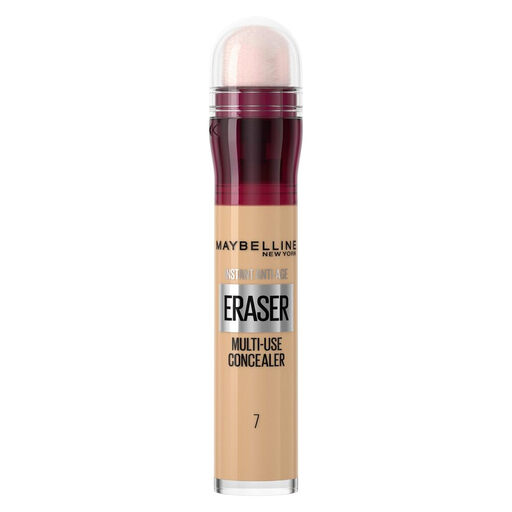
Why This Fits Their Persona: A multi-purpose liquid format suits shoppers building a simple routine for under-eye concealing, correcting and highlighting.
The liquid texture can be applied in small amounts instead of committing to a thick layer. The built-in micro-fibre applicator is designed for targeted placement.
Natural finish, 6.8ml size and a format suitable for dark circles, small imperfections and facial highlighting.
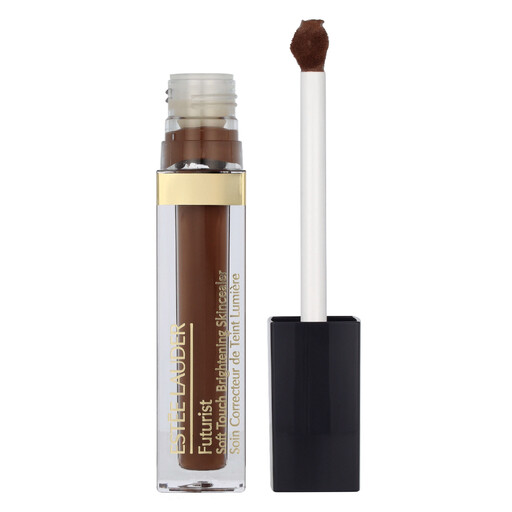
Why This Fits Their Persona: The creamy 7N option is intended for medium skin with neutral tones and works for shoppers who prefer a natural finish with a compact 6ml format.
Its shade description identifies both depth and neutral undertone, helping reduce reliance on a vague colour name alone.
Creamy texture, neutral 7N shade and ingredients including glycerin, sodium hyaluronate and squalane.
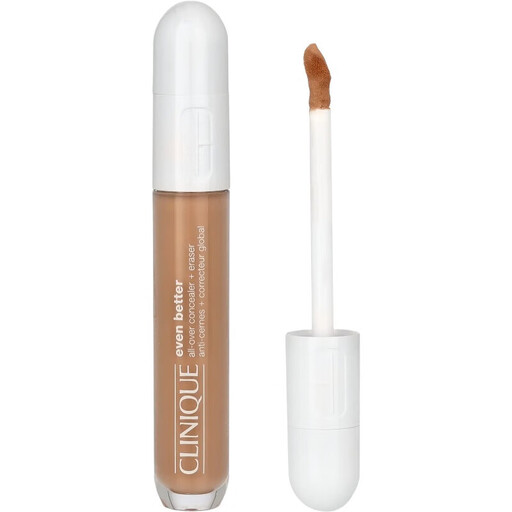
Why This Fits Their Persona: Designed for shoppers who use one product across the under-eye area, blemishes, dark spots and other areas requiring fuller coverage.
The listed buildable texture allows thin layers, helping users adjust coverage instead of applying a heavy amount at once.
CN70 Vanilla is described for fair to light skin with a neutral undertone; the 6ml formula is listed as crease-resistant for up to 12 hours.
We have compiled a complete, real-time list of products that fully satisfy these strict selection criteria and UK safety regulations.
Under-eye concealer is usually chosen for its blendability and comfort on delicate skin. Blemish concealer generally needs a closer shade match and may have a more matte or concentrated texture. One product can serve both purposes, but application should be lighter under the eyes.
There is no single lifespan for every formula. Follow the period-after-opening symbol and packaging guidance, and replace the product if its smell, colour or texture changes. Keep the container closed and store it away from heat, direct sunlight and humidity.
A concealer stick is often travel-friendly because it is compact and less likely to spill. A liquid concealer may offer easier buildability, but its applicator and closure should be kept clean and secure when carried in a handbag or wash bag.