
24/7 Customer Support

Free returns

Same-day & Next-day Delivery

Quality Guaranteed

Unlock Your Welcome Offers: FREE Delivery | Up to 80% OFF | Free 30-day JoyPlus trial
Download the APP
Buying make-up products online can be convenient, but attractive packaging and bold claims do not always reveal whether a product suits your skin, routine or budget. The right choice depends on practical details such as shade, finish, coverage, ingredients and expected wear.
Whether you are building an everyday base, preparing for a special occasion or looking for long-lasting make-up for a busy commute, these checks can help you avoid common buying mistakes.
Full coverage may conceal visible redness or blemishes, but it can feel heavier than medium or sheer formulas. A high-coverage foundation may also emphasise dry patches if the skin is not prepared properly. Conversely, a lightweight base may not provide enough coverage for a formal event.
Look for descriptions that explain whether coverage is sheer, medium, full or buildable, rather than relying on phrases such as “perfect complexion”. Buildable products can be more versatile because you can use a thin layer for everyday wear and add coverage only where required.
A product described as long-lasting will still respond differently to oily, dry or combination skin, as well as humidity, friction and skincare underneath. Claims such as “12-hour” or “72-hour” should be read as product information, not a guarantee for every wearer.
For long-lasting make-up, check whether the formula is described as transfer-resistant, sweat-resistant or non-creasing, and consider how it should be removed. A durable matte lipstick, for example, may need an oil-based cleanser, while a glitter eyeshadow may require careful removal around the eyes.
Ingredients such as glycerin, niacinamide, squalane and hyaluronic acid can be useful considerations when choosing skincare-infused make-up, but a foundation or cushion is still primarily a cosmetic product. It should not replace a dedicated moisturiser or sunscreen routine.
Similarly, an SPF foundation or cushion should not automatically be treated as your only sun protection. Follow the product directions and apply a dedicated broad-spectrum sunscreen when appropriate.
Shade names such as “neutral”, “warm”, “golden” and “cool” indicate undertone, but naming systems vary between brands. Compare the shade with your jawline rather than your hand, and check the product image and shade description in natural light where possible.
For concealer, decide whether you want a close skin-tone match for blemishes or a slightly lighter shade for brightening. A contour palette generally works more naturally when the contour shade is suited to your undertone rather than simply being much darker.
For blush and blusher, consider whether you prefer a finely milled powder, a cream texture or a hybrid formula. Buildable pigmentation gives more control than a formula that delivers intense colour immediately.
Read the full ingredient list, especially if you are choosing make-up for sensitive skin. Fragrance, essential oils, talc, mica, preservatives and certain colourants may not suit everyone. “Vegan make-up” and cruelty-free descriptions can be useful ethical filters, but they do not automatically indicate that a product will suit sensitive skin.
In the UK, cosmetics should carry appropriate labelling, including ingredients, usage information, precautions, nominal content and batch details. Check the packaging for current information, particularly when buying a product containing SPF or when an ingredient list may have changed.
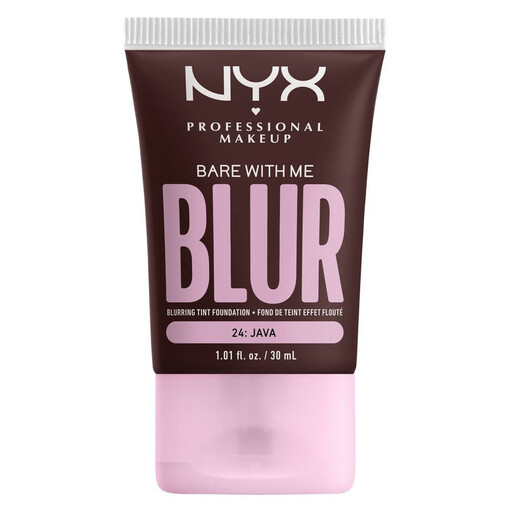
Why This Fits Their Persona: A practical starting point for shoppers wanting one adaptable base for everyday wear, with medium buildable coverage and a natural matte finish.
The coverage can be built gradually, reducing the need to buy separate sheer and fuller-coverage bases.
Contains glycerin, matcha and niacinamide; described as vegan and certified cruelty-free, with 24 listed shades.
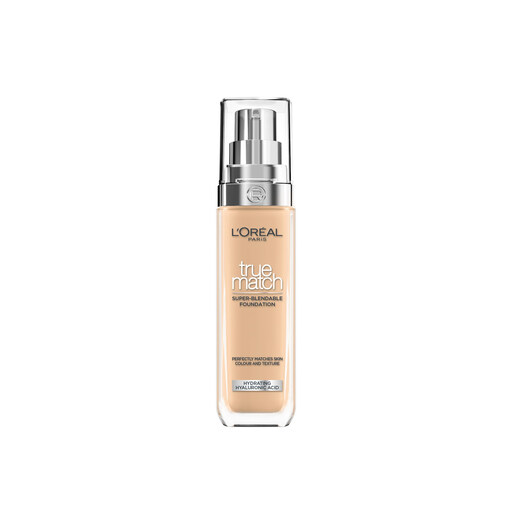
Why This Fits Their Persona: Suitable for shoppers prioritising a broad shade selection and a skin-like base for workdays, occasions and regular wear.
The shade range and stated skin-matching approach make shade selection more considered than choosing by colour name alone.
Listed with 46 shades; includes hyaluronic acid, glycerin and aloe vera extract, with a natural-looking finish.
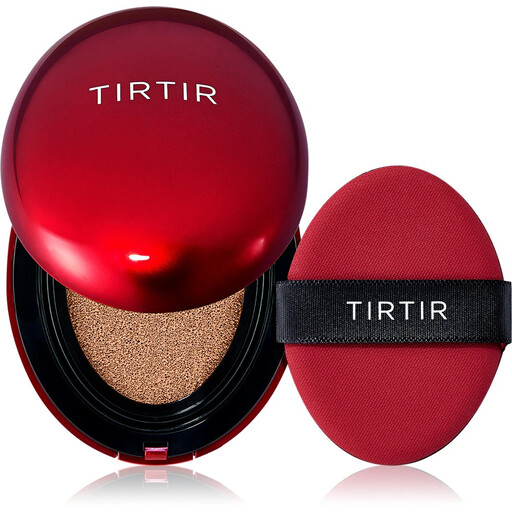
Why This Fits Their Persona: A portable option for commuters, events and users who prefer quick touch-ups with a puff rather than a brush.
The product information specifies a semi-matte finish, buildable coverage and transfer-related wear testing, giving clearer criteria than a vague “all-day” description.
Cushion format with SPF40 PA++; shade 29N is described as a neutral beige for medium skin tones.
Once your base is selected, choose colour products according to how often you will use them. A blusher with buildable pigment can work for both subtle daytime make-up and stronger evening looks. A contour and highlight palette may reduce the number of separate products required, while a mixed-finish eyeshadow palette can support matte, shimmer and glitter looks.
For eye make-up, check whether false eyelashes are pre-glued, reusable or intended for a particular shape. Pre-glued lashes can save time, but adhesive sensitivity and careful removal still matter. For lips, compare the finish and comfort ingredients before choosing a matte lipstick. MAC Macximal Silky Matte Lipstick shades such as Chili and Velvet Teddy are listed with coconut oil, shea butter and cocoa butter, alongside stated long-wear colour information.
Explore more blush, foundation, concealer, highlighter, lashes and lip options in the fashions in make-up range.
We have compiled a complete, real-time list of products that fully satisfy these strict selection criteria and UK safety regulations.
Read the current ingredient list and avoid products containing ingredients you already know cause a reaction. Patch-testing a small amount may help you identify potential irritation, but it is not a guarantee. Stop using a product if redness, itching or discomfort occurs, and follow the packaging warnings.
It can be convenient for everyday application, particularly when you prefer light layers and portable touch-ups. Check the shade, finish and application instructions, and remember that SPF in make-up may not provide sufficient protection on its own.
Shelf life varies by formula, packaging and storage conditions. Keep products away from direct heat and sunlight, close containers securely and follow the period-after-opening symbol or packaging guidance. Discard products if their smell, texture or appearance changes, or if eye products become contaminated.