
24/7 Customer Support

Free returns

Same-day & Next-day Delivery

Quality Guaranteed

Unlock Your Welcome Offers: FREE Delivery | Up to 80% OFF | Free 30-day JoyPlus trial
Download the APP
Keeping your makeup brushes clean is non-negotiable. It’s not just about achieving a flawless application; it’s a fundamental step for skin hygiene. Dirty brushes can harbour bacteria, leading to breakouts and skin irritation, while caked-on product can ruin the bristles and lead to a patchy finish.
However, the market is flooded with gadgets and potions all promising a perfect clean. Many UK shoppers find themselves with a device that gathers dust or a solution that makes things worse. Before you buy, it's crucial to understand the common pitfalls that lead to wasted money and frustration.
automatic makeup brush cleaner devices feature weak motors and a limited set of silicone collars. The result? They either lack the power to spin-clean dense foundation brushes or don't include a collar that properly fits your favourite tools, rendering the device useless.makeup brush cleaning mat seems simple, but many are made from thin, flimsy silicone with poor suction. They slide all over the sink, turning a quick cleaning session into a frustrating battle to keep the mat in place.To make a smart purchase, focus on the functional aspects rather than the marketing hype. Here are the key parameters to analyse.
Your first decision is choosing between speed and control.
deep clean makeup brushes experience. Different textured zones on the mat are designed to work lather into bristles and dislodge stubborn pigment from foundation, concealer and eyeshadow brushes. Look for mats made from durable, food-grade silicone with strong suction cups to keep them fixed in your sink.The makeup brush cleanser solution is just as important as the tool. A good formula should clean effectively without damaging the bristles.
Instead of a one-size-fits-all approach, we've matched a few standout options to different user needs.
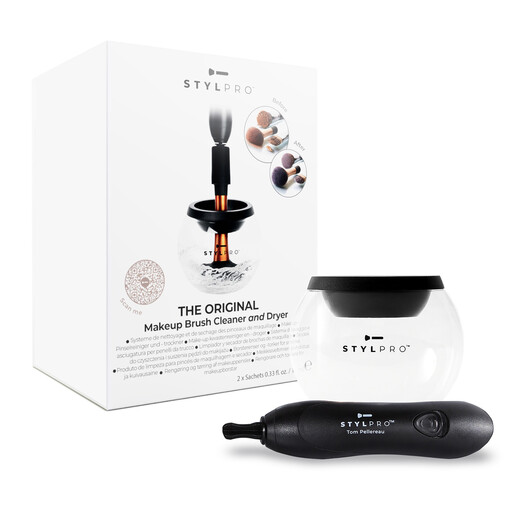
Why This Fits Their Persona: For anyone juggling a busy schedule, the time spent waiting for brushes to air-dry is a major inconvenience. This device cleans and dries brushes in under 30 seconds, making it possible to maintain a hygienic routine without the downtime.
It directly solves the "flimsy spinner" problem by including 8 different flexible silicone collars, accommodating a wide range of brush handle sizes for a secure grip and effective spin.
The primary benefit is speed. Brushes are clean, dry and ready for immediate reuse. The spinning action also helps to realign bristles as they dry.
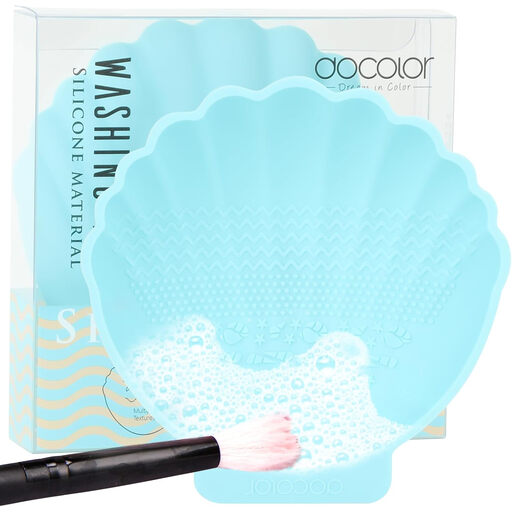
Why This Fits Their Persona: This user prioritises a thorough, deep clean over speed. They want to manually work the cleanser into every bristle to ensure all foundation, oil and pigment is removed. This mat provides the control and texture needed for that process.
It tackles the "slippery mat" issue with its compact, shell-shaped design that can be held in the hand or placed in a small sink, offering more stability than a large, flat sheet that relies on weak suction cups.
Its multiple textures (wavy, dot and shell patterns) are designed for different brush types, from large powder brushes to small liner brushes, ensuring a comprehensive clean. It's also made of durable food-grade silicone.
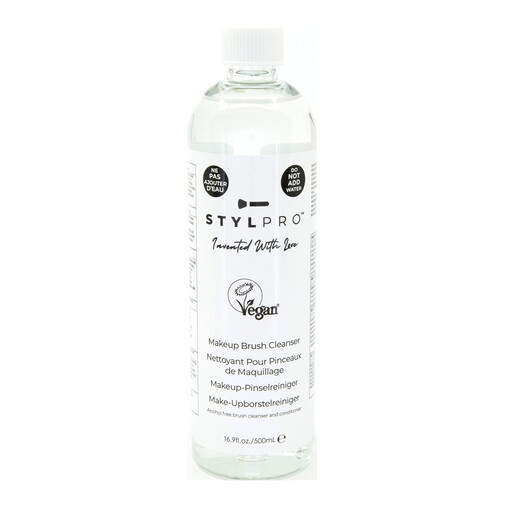
Why This Fits Their Persona: This user frequently works with long-lasting foundations, waterproof concealers and oil-based products. They need a powerful solution that can break down these stubborn formulas without endless scrubbing, which can damage expensive brushes.
This formula is specifically designed to counter the "greasy solution" trap. It's an alcohol-free, oil-based cleanser that dissolves stubborn makeup but is formulated to rinse away cleanly, leaving no residue.
It contains grapeseed and argan oils, which not only help dissolve makeup but also condition the bristles. This helps to keep both natural and synthetic brushes soft and prolongs their life. It can be used with an automatic cleaner or for manual washing.
We have compiled a complete, real-time list of products that fully satisfy these strict selection criteria and UK safety regulations.
For brushes used with liquid or cream products like foundation and concealer, a weekly clean is advisable to prevent bacteria build-up. For powder-based products like eyeshadow and blush, cleaning every two weeks is generally sufficient. Sponges should be cleaned after every use.
When used correctly, a quality electric makeup brush cleaner should not damage your brushes. The key is to ensure the collar has a snug fit and to avoid submerging the ferrule (the metal part connecting the handle and bristles) in water, which can loosen the glue over time. The spinning motion is generally gentler than vigorous manual scrubbing.
While gentle soap or baby shampoo can work in a pinch, a dedicated makeup brush cleanser solution is formulated specifically to break down the oils, silicones and pigments found in cosmetics. Many also include conditioning agents to protect the bristles, whereas some soaps can be drying and leave a film, affecting brush performance and longevity.