
24/7 Customer Support

Free returns

Same-day & Next-day Delivery

Quality Guaranteed

Unlock Your Welcome Offers: FREE Delivery | Up to 80% OFF | Free 30-day JoyPlus trial
Download the APP
Mala hot pot seasoning can turn a weeknight meal into a warming Sichuan-style feast, but not every packet serves the same purpose. Some products are concentrated soup bases, while others are dipping sauces, ready-to-eat snacks or dry spice blends. Choosing by attractive packaging alone can leave you with a broth that is too salty, a sauce that does not suit your cooking method or a snack that contains allergens you did not expect.
This guide explains what to check before buying mala hot pot seasoning, including flavour strength, preparation, pack size, ingredients and storage. It also compares practical options for UK homes, from a Chinese hot pot soup base to mala tang meals and ready-to-eat spicy snacks.
A Sichuan hot pot seasoning block or pouch normally needs water or stock and cooking before ingredients are added. A hot pot dipping sauce, by contrast, is usually ready to eat and is served in a small dish alongside cooked meat, vegetables or noodles.
Using a concentrated dipping sauce as a full broth may produce an overly salty result. Likewise, adding a soup base directly to food without dilution can overpower the dish. Always check whether the product is labelled as a soup base, cooking seasoning, ready-to-use sauce or dry sprinkle.
“Mala” combines chilli heat with the tingling, numbing sensation associated with Sichuan peppercorn. However, the balance differs between products. A clear-oil base may deliver a lighter-looking broth, while a traditional spicy hot pot base can contain bean paste, chilli and a higher proportion of oil.
Look for the stated chilli and Sichuan pepper content where available. For example, Ji Xiang Ju Mala Sauce lists 39% chilli peppers and 2% Sichuan peppercorns, while Haidilao Spicy Hot Pot Seasoning 220g lists 7.8% chilli and 1.8% Sichuan pepper. These figures help with comparison, but your final perception will also depend on salt, oil, spices and dilution.
Many mala products contain soybeans and wheat, often through broad bean paste, fermented soybean paste, soy sauce or wheat flour. Sesame, peanuts, fish, milk and mustard can also appear in sauces, instant meals and flavoured snacks.
Check the UK-facing label every time, particularly if buying for guests. Salt and fat levels also vary considerably. Shoo Loong Kan Spicy Hot Pot Base lists 71.1g of fat and 10g of salt per 100g, whereas Cui Hong Mala Chilli Oil lists only 0.02g of salt per 100g but is oil-dense at 82.6g of fat per 100g. Neither figure describes a recommended portion, so consider how much you will actually use.
Choose according to the meal you intend to make:
Follow the package instructions. For example, Haidilao Clear Oil Hot Pot Soup Base Mala Flavour 220g recommends adding 800–1,000ml of water or stock, boiling and simmering for three to five minutes.
Check the chilli, Sichuan peppercorn and salt information where listed. A product with broad bean paste, fermented soybean, garlic, ginger and multiple spices may create a fuller savoury profile than a simple chilli oil, while a dry powder allows more gradual adjustment.
If you are new to spicy food, start with a portion of base rather than adding the whole packet. More experienced chilli eaters may prefer a traditional block or a sauce with a higher chilli declaration. Remember that adding stock, vegetables, tofu and noodles will dilute the seasoning.
A 30g sachet is useful for occasional dipping, whereas 200g–360g packs are more suitable for repeated cooking or sharing. Consider fridge space and opening instructions: some products advise refrigeration after opening, while ready-to-eat sauces may need to be consumed promptly.
For households with limited time, individually portioned products can reduce waste. Mala snack multipacks, for instance, provide 18g sachets that are easy to carry and open when needed.

Why This Fits Their Persona: A practical starting size for UK shoppers trying Sichuan-style hot pot at home, with instructions for broth, noodles and stir-fries.
It is clearly identified as a cooking seasoning, rather than a dipping sauce, and gives a suggested water range for dilution.
220g pack; lists 7.8% chilli and 1.8% Sichuan pepper; suitable for hot pot, noodles and stir-fries.

Why This Fits Their Persona: Suitable for diners who want a classic spicy and numbing broth with a clear-oil format for home hot pot.
The clear-oil format is stated directly, and the cooking instructions distinguish it from a ready-to-eat sauce.
Uses soybean oil, Spanish chilli and Sichuan peppercorn; also suitable for mala xiang guo, boiled fish and braised dishes.
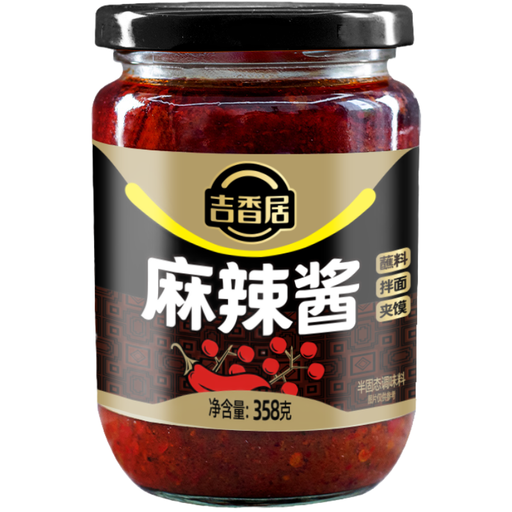
Why This Fits Their Persona: A larger ready-to-use jar suits regular cooks who want to season noodles, stir-fries, dips and hot pot without opening a new soup block each time.
Its ready-to-use format makes the intended serving method clear; adding a small amount at a time helps manage its listed 15.19g salt per 100g.
358g pack; 39% chilli and 2% Sichuan peppercorns; suitable for noodles, stir-fries, dipping and hot pot.
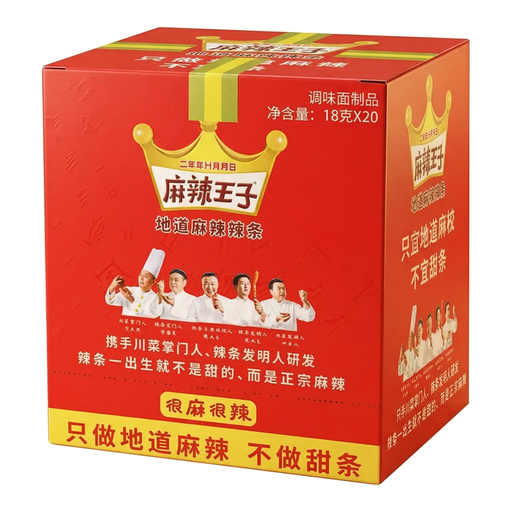
Why This Fits Their Persona: Individual sachets work for packed lunches, desk drawers, sharing or trying Chinese spicy snacks without preparing a meal.
The 18g portion size makes serving easier to control, while the label clearly states that it is ready to eat rather than a cooking base.
20 individually packed portions; non-fried process stated in the product information; contains wheat and soy allergens.
We have compiled a complete, real-time list of products that fully satisfy these strict selection criteria and UK safety regulations.
For a Chinese hot pot soup base, prepare the broth before adding ingredients. Add water or stock gradually, taste after simmering and keep raw meat separate from cooked food. Seafood, meat, noodles and vegetables should be cooked thoroughly.
A mala soup base can be adjusted with mushrooms, tofu, leafy greens or extra stock. A sesame or peanut-based dipping sauce can soften the perceived heat, but it introduces additional allergen considerations. Ready-to-use products such as mala chilli oil and Sichuan chilli sauce are useful in noodles and cold dishes; add them after cooking if you want their aroma to remain prominent.
Store unopened products in a cool, dry place away from direct sunlight. Refrigerate products when the label instructs you to do so and consume opened sauces promptly.
It can range from mild to strongly spicy. Chilli level, Sichuan pepper content, oil and dilution all affect the finished dish. Start with less seasoning and add more after tasting, particularly when using a concentrated block.
Yes. Depending on the format, it can season noodles, stir-fries, braised dishes, cold salads or grilled food. Ready-to-use Ji Xiang Ju sauce, Cui Hong Mala Chilli Oil and dry mala seasoning are more convenient for these uses than a full soup base.
Storage differs by product. Some labels advise refrigeration after opening, while others recommend using the contents immediately or promptly. Check the best-before information and follow the specific storage instructions on the packaging.