
24/7 Customer Support

Free returns

Same-day & Next-day Delivery

Quality Guaranteed

Unlock Your Welcome Offers: FREE Delivery | Up to 80% OFF | Free 30-day JoyPlus trial
Download the APP
Finding suitable Malaysian food products in the UK can be surprisingly difficult. Packaging may suggest “authentic” flavour while the ingredient list reveals a mild, sugar-heavy sauce, a paste designed for a different dish or unclear allergen information. Imported products can also vary in size, labelling and storage requirements.
This guide focuses on the practical details that help Malaysian and Southeast Asian communities, adventurous home cooks, busy households and shoppers seeking halal Malaysian food choose with greater confidence.
The word “authentic” is commonly used on sauces and pastes, but it does not describe one legally fixed flavour profile. A Malaysian chilli sauce may be sweet and tangy, while another is noticeably hotter or more garlic-forward.
Check the ingredient order instead. Ingredients are listed by weight, so a product with sugar or water at the top may taste sweeter or thinner than one with a higher proportion of chilli, shallot, coconut or spices.
Malaysian curry paste, Malaysian rendang paste and Malaysian marinades are usually concentrated bases rather than complete meals. They may require meat, vegetables, coconut milk, water or additional seasoning.
Read the cooking instructions before buying. A jar intended for 400g of beef will not necessarily suit a quick noodle dish, and a marinade may contain wheat or require thorough cooking.
Malaysian food products can contain wheat, soya, sesame, coconut, peanuts, tree nuts, fish or mustard. UK shoppers should read the current packaging rather than relying only on online descriptions, particularly where recipes or manufacturing facilities may change.
Once opened, many sauces and pastes require refrigeration and should be consumed within a stated period. A large bottle is not economical if it will sit unused in a cupboard.
For authentic Malaysian sauces, compare the main flavour ingredients:
Ingredients sourced outside Malaysia do not automatically make a product unsuitable. However, if country of origin matters to you, check whether the label says Product of Malaysia and distinguish this from the origin of individual ingredients.
Nutrition information is particularly useful for sauces. For example, supplied product details show that the 305g Maggi chilli sauce contains approximately 20g of sugars and 3g of salt per 100g, while the 340g version lists approximately 34g of sugars and 2.59g of salt per 100g. These figures indicate why serving size matters.
For hotter products, the ingredient list may show a higher chilli paste or hot chilli powder percentage. Heat ratings are not consistently standardised across brands, so consider the actual formulation rather than relying solely on front-of-pack wording.
Look for:
For example, the F&N 100 Plus product supplied is described as halal certified, while the IBUMIE noodles contain wheat, soya and sesame. Yeo’s rendang paste contains coconut and may contain traces of several other allergens. Always check the physical pack before consumption.
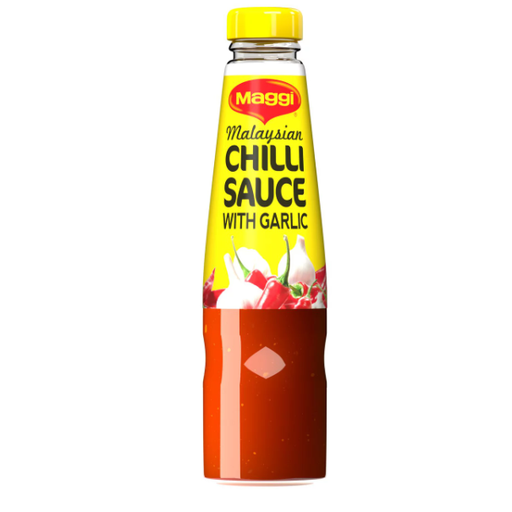
Why This Fits Their Persona: A practical first purchase for UK shoppers who want one bottle for dipping spring rolls, satay, grilled food or adding to stir-fries.
The product description identifies garlic, vinegar and chilli paste, while the bottle size is clear for comparing value with larger sauces.
Ready to use; supplied details state that it is made in Malaysia and should be refrigerated after opening.
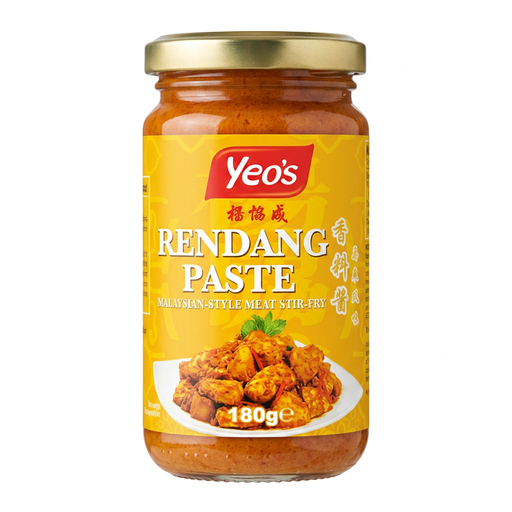
Why This Fits Their Persona: Suits cooks who want a structured route to a rich rendang-style dish without preparing every spice individually.
The instructions specify marinating 400g of diced beef, then simmering until tender and thick, so it is clearly a cooking paste rather than a ready-to-eat sauce.
Made in Malaysia; includes coconut extract, galangal, lemongrass and chilli. Contains coconut, so check the allergen advice.
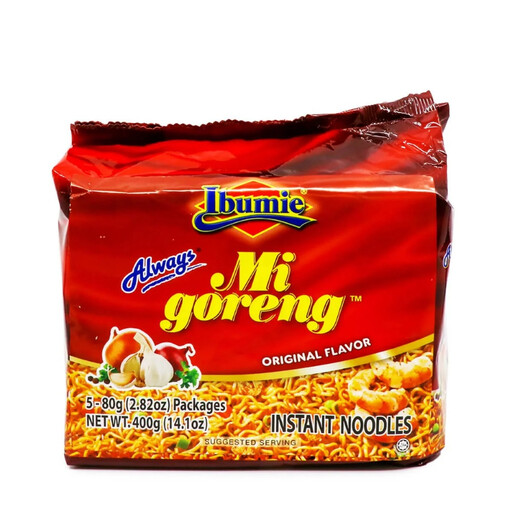
Why This Fits Their Persona: A convenient cupboard option for students, office lunches and households needing a quick Malaysian-style meal base.
The five-pack format makes the quantity clear, while the listed wheat, soya and sesame allergens help shoppers check suitability before purchase.
Made in Malaysia; includes seasoning oil, fried shallots and sesame seeds for a ready-to-assemble mi goreng-style meal.
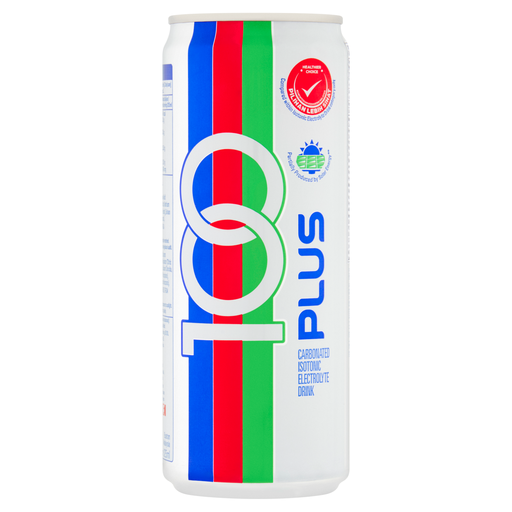
Why This Fits Their Persona: Suitable for shoppers looking for a chilled Malaysian drink with a clearly stated halal certification.
The supplied information identifies the 325ml serving size, ingredients and halal certification instead of relying only on promotional wording.
Carbonated drink format; supplied nutrition lists 64 kcal and 15.9g carbohydrate per 325ml serving.
For a sharper citrus note, Yeo’s Calamansi Lime Chilli Sauce combines chilli, garlic and 1.8% calamansi puree, and is labelled Product of Malaysia. Yeo’s Malaysia Nyonya Curry Paste includes shallot, lemongrass, candlenut, galangal, turmeric and curry leaf.
For sour, aromatic dishes, Yeo’s Malaysia Spicy Tamarind Paste contains 7% tamarind and 3% chilli according to the supplied details. Yeo’s Malaysia Spicy Flame-Grilled Marinade includes coconut extract, lemongrass, tamarind and galangal, but contains wheat. Check these options against your recipe, allergen requirements and preferred heat level.
We have compiled a complete, real-time list of Malaysian food products that meet practical selection criteria and UK labelling requirements.
Yes, some products carry halal certification, but this should be checked product by product. The supplied F&N 100 Plus drink is identified as halal certified. For sauces, pastes, noodles and snacks, look for a halal mark on the current packaging and review the full ingredient list.
Storage varies. Several supplied sauces advise refrigeration after opening and consumption within around four to six weeks. The rendang paste advises keeping it refrigerated and tightly sealed, with use within one to two months for best quality. Follow the label rather than assuming an opened jar has the same shelf life as an unopened one.
Malaysian instant noodles are usually the quickest option, while a curry or rendang paste provides a faster route to a cooked meal than blending individual spices. Check whether the product requires extra ingredients, cooking and allergen adjustments before ordering.