
24/7 Customer Support

Free returns

Same-day & Next-day Delivery

Quality Guaranteed

Unlock Your Welcome Offers: FREE Delivery | Up to 80% OFF | Free 30-day JoyPlus trial
Download the APP
Buying Malbec wine in the UK can appear straightforward, but labels and promotions often leave out details that affect value and suitability. A discounted case may not suit a small household, while a bottle described as “smooth” can still be relatively high in alcohol or too full-bodied for lighter meals.
This guide explains what to check before buying, from origin and flavour profile to bottle size, vegan suitability and UK alcohol information.
Malbec is often associated with Argentine Malbec, particularly wine from Mendoza. These bottles commonly offer ripe plum, blackberry and black cherry flavours, with soft tannins and a medium-to-full-bodied palate.
However, origin can influence style. A French Malbec from Cahors may show darker fruit, firmer structure and more noticeable savoury or earthy notes. An Australian Malbec may lean towards ripe fruit and easy-drinking softness. Rosé made from Malbec grapes is a separate style altogether, usually lighter, fresher and more suitable for warm-weather drinking.
Treating all Malbec as one flavour profile is a common way to buy a bottle that does not match your meal or personal preference.
A Malbec case deal can reduce the cost per bottle, but only if you are likely to use the full quantity. Check how many bottles are included, the bottle size and the storage space required. Most standard bottles are 75cl, while a miniature such as a 187ml bottle may be more practical for one-person servings or occasional drinking.
Calculate the price per bottle before comparing deals. A case is suitable for barbecues, dinner parties and regular entertaining, but an individual 75cl bottle may make more sense when exploring an unfamiliar style.
Words such as “rich”, “smooth” and “velvety” describe a proposed drinking style rather than a guarantee of personal preference. Also check the factual details: ABV, UK alcohol units, allergens and vegan suitability.
Wine commonly contains sulphites, which must be declared as an allergen where applicable. A wine can be suitable for vegans, but this should be confirmed on the product information or packaging rather than assumed from the grape variety.
For a fruit-forward red, look for descriptions mentioning blackberry, plum, black cherry, violet or soft tannins. Mendoza Malbec often suits shoppers seeking a full-bodied red wine with ripe dark-fruit character.
If you prefer a more structured wine for red meat or slow-cooked dishes, Cahors can be worth considering. For lighter meals, a rosé or a fruit-led, moderate-body bottle may be more appropriate.
The products in this selection range from approximately 12.5% to 14% ABV, with most standard 75cl bottles containing around 9.4 to 10.5 UK units. A 125ml glass may contain roughly 1.6 to 1.7 units, depending on the bottle’s alcohol percentage.
Always check the label because ABV and unit information can vary by product or vintage. UK guidance commonly refers to a weekly limit of 14 units for adults who choose to drink; this is guidance rather than a target. Do not drink and drive, and alcohol should not be consumed during pregnancy.
A 75cl Malbec generally provides around five 150ml glasses, although serving sizes differ. A 187ml miniature is closer to one standard 175ml glass.
Most red Malbec wines are more expressive when served slightly cool, around 16–18°C, rather than warm room temperature. Store unopened bottles away from direct sunlight and heat. Once opened, reseal and refrigerate where the product guidance recommends it, then consume within the stated period, commonly two to five days.
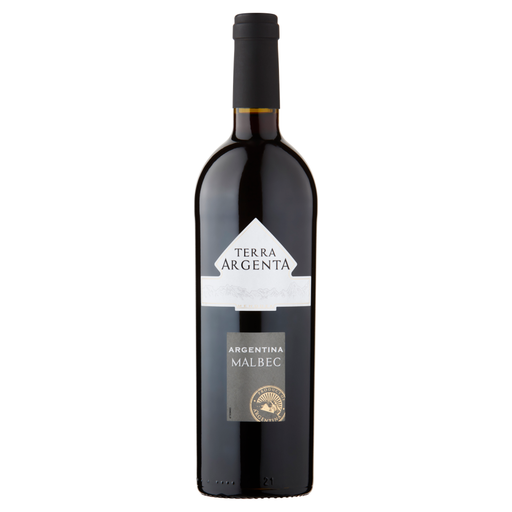
Why This Fits Their Persona: A 75cl Mendoza bottle with 12.5% ABV and fruit-led strawberry and raspberry notes offers an approachable introduction to Argentine Malbec.
The stated origin, region, ABV and vegan suitability are clearly provided, helping shoppers compare facts rather than rely on vague style claims.
12.5% ABV; suitable for vegetarians and vegans; soft tannins and moderate body.
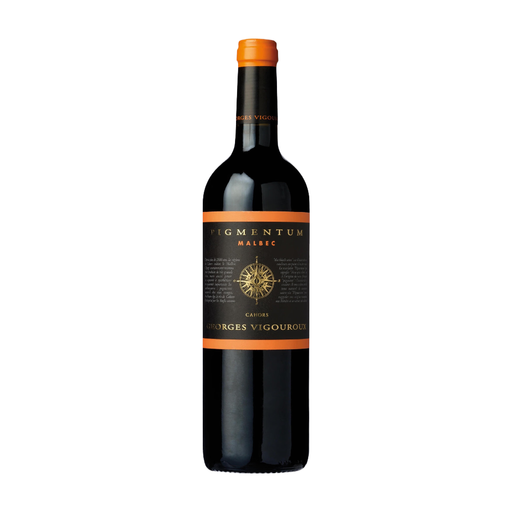
Why This Fits Their Persona: This French Malbec from Cahors suits shoppers looking for a more structured, full-bodied red wine with dark fruit, spice and savoury notes.
Its Cahors origin and 13.5% ABV are specified, making it easier to distinguish a French style from a softer Mendoza bottle.
Cahors, south-west France origin; suitable for vegetarians and vegans; suited to stews and aged cheeses.
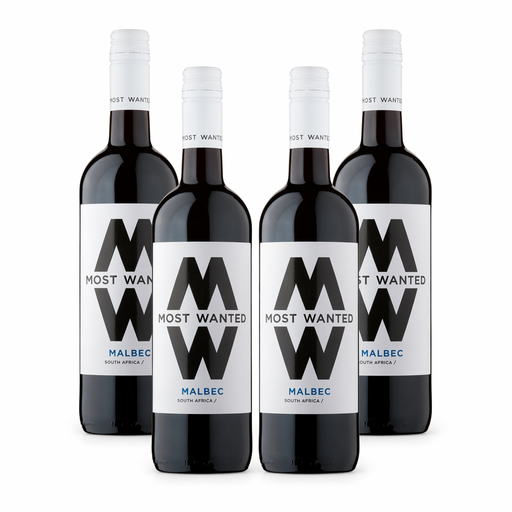
Why This Fits Their Persona: A case format is practical for regular hosts, barbecue gatherings and households that frequently serve red wine with meals.
The case contains standard 75cl bottles, while the listed 13–14% ABV range and approximately 9.75–10.5 units per bottle support clearer planning.
Mendoza origin; dark-fruit profile; suitable for vegetarians and vegans; designed for bold food pairings.
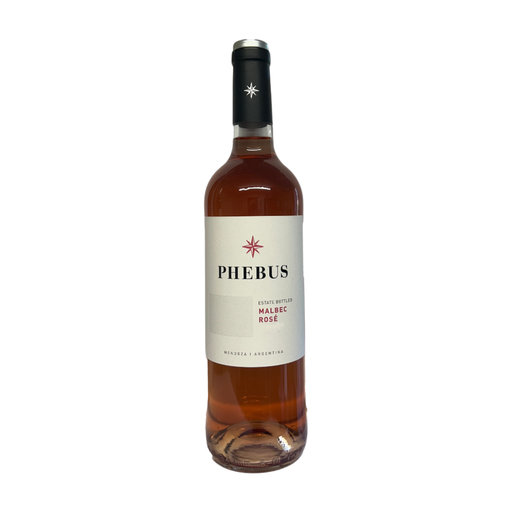
Why This Fits Their Persona: This Malbec rosé offers a lighter alternative for garden lunches, picnics, seafood, salads and Mediterranean-style dishes.
It is clearly presented as rosé rather than red Malbec wine, with a stated 12.5% ABV indication and lighter serving occasions.
Strawberry, raspberry and citrus notes; suitable for vegetarians and vegans; pairs with fish and salads.
We have compiled a complete, real-time list of products that fully satisfy these strict selection criteria and UK safety regulations.
It can be. Many Argentine Malbec wines are described as smooth because of their ripe fruit flavours and soft tannins. Style varies by producer, region and alcohol level, so check the tasting description rather than relying on the grape name alone.
A 75cl bottle commonly contains around 9.4 to 10.5 UK units when the ABV is between 12.5% and 14%. Confirm the exact figure on the product label, and remember that larger glasses contain more alcohol.
Some bottles are labelled suitable for vegans, including several products listed above. Others may not make that claim. Check the product page and packaging for current allergen and suitability information, particularly if this is important for your household.