
24/7 Customer Support

Free returns

Same-day & Next-day Delivery

Quality Guaranteed

Unlock Your Welcome Offers: FREE Delivery | Up to 80% OFF | Free 30-day JoyPlus trial
Download the APP
Malbec wine is a popular choice for UK drinkers who enjoy ripe dark fruit, soft tannins and a satisfying red-wine finish. However, bottles labelled “Malbec” can vary considerably depending on their origin, alcohol level, format and winemaking style.
The main buying mistake is assuming every Malbec red wine will taste the same. A full-bodied Mendoza Malbec may be rich and smooth, while French Malbec from Cahors can feel firmer, more savoury and structured. There are also lighter Malbec rosé wines and smaller bottles for occasions when a full 75cl bottle is unnecessary.
This guide explains what to check before you buy Malbec online, then matches several options to different drinking occasions and budgets.
“Argentine Malbec” and “French Malbec” are not interchangeable descriptions. Mendoza Malbec commonly offers blackberry, plum, violet and vanilla notes, often with a soft, rounded texture. Cahors Malbec may show darker fruit, spice, leather-like nuances and more noticeable tannins.
Origin does not guarantee a particular quality level, but it is a useful indication of style. Check the country and region rather than relying only on words such as “rich”, “smooth” or “premium” on the front label.
A full-bodied red wine can still have firm tannins or pronounced acidity. If you prefer an approachable, smooth red wine, look for descriptions mentioning soft or velvety tannins, balanced acidity and fruit-forward flavours. If you enjoy steak, lamb or slow-cooked dishes, a more structured bottle may be preferable.
A 75cl bottle usually provides around five 150ml glasses, although serving sizes vary. A smaller 187ml bottle can suit solo drinking or portion control, while a Malbec wine case may be more practical for a barbecue, dinner party or regular home use.
Check the alcohol by volume (ABV) and the listed UK units. Many bottles in this selection sit between approximately 12.5% and 14% ABV. UK guidance advises that adults should not regularly exceed 14 units per week, so compare the bottle’s stated units with your intended serving size.
These are broad style indicators rather than fixed rules. Vintage, vineyard altitude, oak treatment and fermentation methods can all influence the final wine.
For everyday dinners, a standard 75cl Malbec is the conventional choice. Smaller formats such as the Trivento Reserve Malbec 187ml can reduce opened-wine waste when you only want one serving. Case deals may reduce the per-bottle cost, but check storage space, delivery conditions and whether you genuinely expect to drink the quantity within its recommended period.
Most red Malbec wines are best served slightly cool, commonly around 16–18°C, rather than warm room temperature. Store unopened bottles in a cool, dark place away from heat and sunlight. Once opened, reseal and refrigerate where the product guidance recommends it, then follow the stated consumption period.
Wine commonly contains sulphites, which must be declared as an allergen. Vegetarian and vegan suitability varies by product, so check the product page and packaging rather than assuming all wine is suitable.
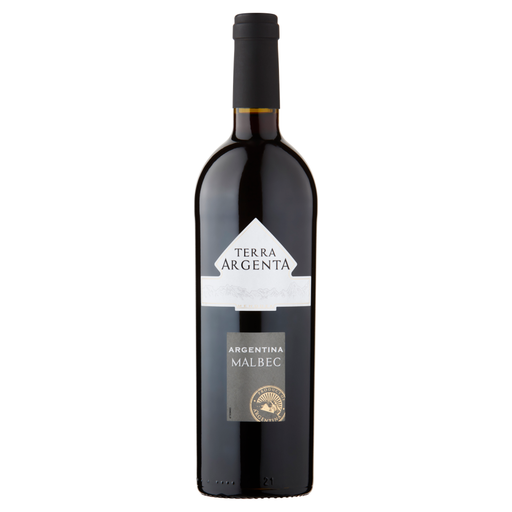
Why This Fits Their Persona: A standard Mendoza bottle for shoppers seeking a fruit-forward red for weeknight meals, casual hosting or first-time exploration of Argentine Malbec.
The listing identifies Mendoza origin, 12.5% ABV and a 75cl format, making the style and serving quantity clearer than relying on vague front-label language.
Fruit-led flavour profile; suitable for vegetarians and vegans according to the product information.
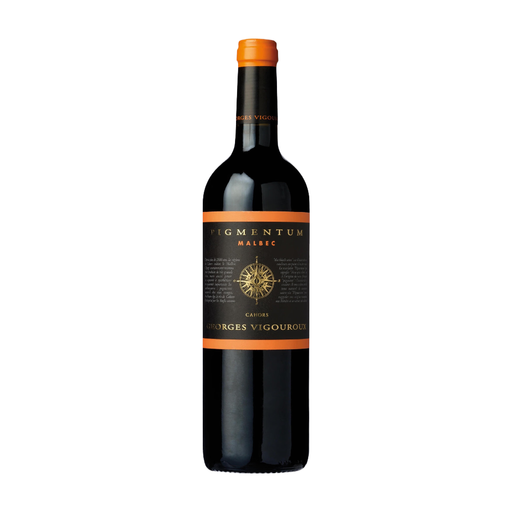
Why This Fits Their Persona: A Cahors Malbec for dinner hosts and drinkers who want a more structured French style with grilled meat, stews or mature cheese.
Its Cahors origin and stated 13.5% ABV provide useful context, while the listed serving temperature is 16–18°C rather than generic room-temperature advice.
Blackberry, plum and dark-cherry notes; listed as suitable for vegetarians and vegans.
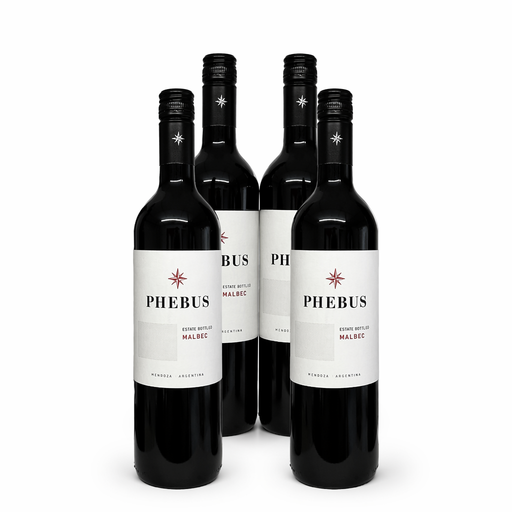
Why This Fits Their Persona: A practical option for barbecue hosts, regular dinner drinkers and shoppers who want several standard bottles ready for gatherings.
The case format makes the quantity explicit, while the stated 14% ABV and 10.5 units per 750ml bottle help with responsible planning.
Mendoza origin; soft-tannin, dark-fruit profile and guidance to serve at 16–18°C.
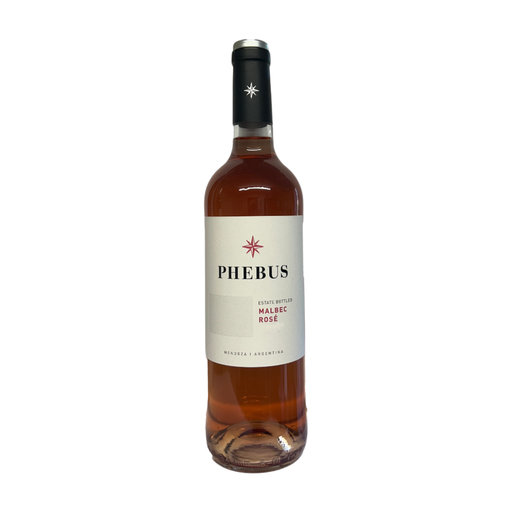
Why This Fits Their Persona: A lighter Mendoza option for summer lunches, garden gatherings, aperitifs and meals involving seafood or salads.
It is clearly identified as rosé, with a stated 12.5% ABV, so shoppers are less likely to mistake a lighter style for a full-bodied red.
Strawberry, raspberry and citrus notes; suitable for vegetarian and vegan diets according to the listing.
We have compiled a complete, real-time list of products that fully satisfy these strict selection criteria and UK safety regulations.
Use the wine’s body and tannin level as a starting point:
Serving the wine slightly cool can help preserve freshness, particularly when a bottle has a higher ABV.
Most Malbec wine sold as dry red wine is not sweet, although ripe plum, blackberry and vanilla notes can create a fruit-forward impression. Check the product description and sugar information if sweetness is important to you.
A red Malbec is generally more balanced when served around 16–18°C. In a warm UK home, placing the bottle in the refrigerator for around 15–20 minutes before serving can help. Malbec rosé is usually served more chilled.
For the most enjoyable flavour, reseal an opened bottle, refrigerate it and follow the product’s storage guidance. Many listings advise consuming opened red wine within a few days. Always check the label, especially for smaller formats and rosé. All alcoholic products are for adults aged 18 and over; drink responsibly and never drink and drive.