
24/7 Customer Support

Free returns

Same-day & Next-day Delivery

Quality Guaranteed

Unlock Your Welcome Offers: FREE Delivery | Up to 80% OFF | Free 30-day JoyPlus trial
Download the APP
As a Joybuy Product Recommendation Officer, I often see shoppers trying to navigate the world of gourmet ingredients. When it comes to something as fundamental as salt, the choices can be surprisingly complex. Maldon sea salt, with its iconic box and celebrated status, is a frequent point of interest. Yet, many home cooks wonder if it's truly worth it, or if they are simply paying for clever marketing.
The truth is, the value of a premium salt lies in its specific application. Using the wrong type can be a costly mistake, not just in money but in the final taste and texture of your dish. Before you add a box to your basket, let's look at a couple of common pitfalls that lead to disappointment.
Understanding the difference between salt for seasoning during cooking and salt for finishing a dish is the key to making a worthwhile purchase.
To avoid wasting money, it helps to understand the core characteristics that set a product like Maldon sea salt apart. These are the non-negotiable factors to consider when selecting a high-quality finishing salt.
The single most important attribute of a finishing salt is its texture. Unlike the small, hard grains of table salt or the dense chunks of rock salt, premium finishing salts are characterised by their unique crystal shape.
Maldon salt flakes are famous for their pyramid-shaped, hollow crystals. This structure is not just for show; it is incredibly delicate and collapses on the palate, delivering a clean, satisfying crunch and a quick burst of flavour that doesn't overwhelm the dish. When you see a product marketed as a finishing salt, examine the flakes. If they are just small, irregular grains, you will not get that signature textural experience.
The source of the salt and its harvesting method directly impact its taste. Maldon salt is harvested from the coastal town of Maldon in Essex, using traditional methods that have been passed down for generations. The process involves evaporating seawater to create the distinctive flaky salt crystals.
This results in a salt with a clean, pure flavour, free from the slightly bitter aftertaste that can be present in salts with a higher concentration of other minerals. A good gourmet salt should enhance the food it's sprinkled on, not impart its own strong, mineral-heavy taste.
To help you choose the right product for your kitchen, we've matched a few options to different types of cooks.
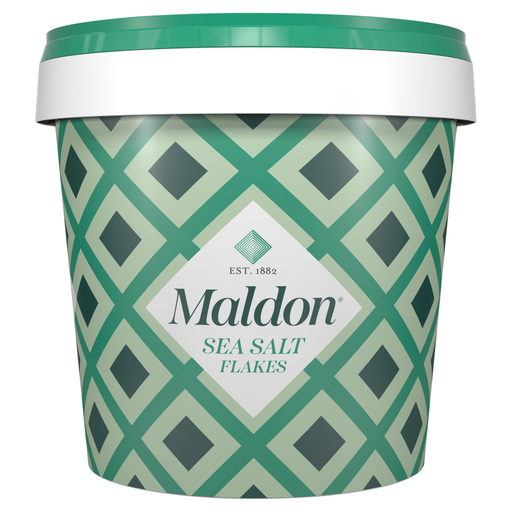
Why This Fits Their Persona: For the cook who has moved beyond the basics and uses a finishing salt regularly, this larger 570g pack offers better value and ensures they always have their go-to ingredient on hand for finishing everything from roasted vegetables to a perfectly cooked steak.
This is the authentic product, delivering the exact pyramid flake structure that defines a true finishing salt. It avoids the "gourmet" trap by providing the genuine textural benefit that justifies its use.
The unmistakable pyramid flakes provide a superior crunch and clean flavour. This larger pack size is more economical for those who use it frequently.
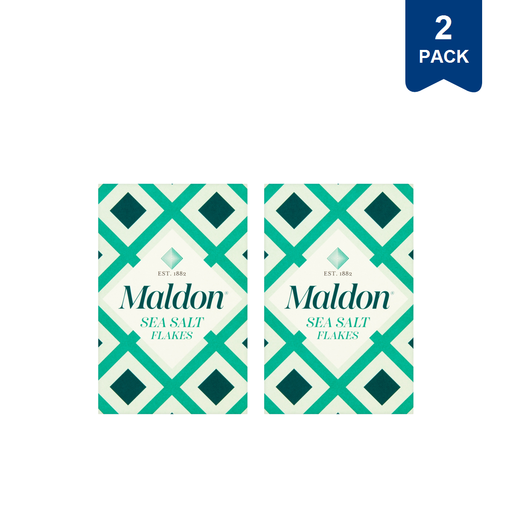
Why This Fits Their Persona: Perfect for someone new to the world of finishing salts. This smaller 250g box is an ideal entry point to experience the difference without committing to a large quantity. The twin pack is useful for gifting one or keeping a spare.
By starting with the benchmark product, you immediately understand what a quality finishing salt should be, preventing disappointment from an inferior "gourmet" alternative and ensuring you don't misuse it as a general cooking salt.
Provides the iconic Maldon experience in a manageable size. It's the perfect way to discover how texture can transform a dish.
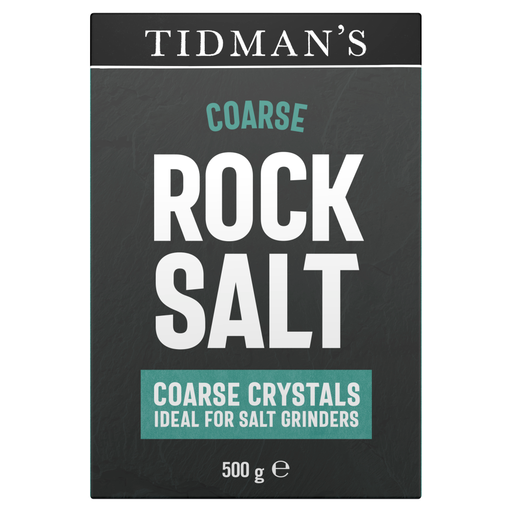
Why This Fits Their Persona: This user prefers the ritual and adjustable coarseness of a salt grinder. They need a hard, dry salt that won't clog the mechanism. Tidman's, produced for the Maldon Salt Company, offers a quality coarse rock salt ideal for this purpose.
This product clearly identifies as rock salt for grinding, helping users avoid the common mistake of putting delicate, soft sea salt flakes into a grinder, which would crush them to dust and potentially damage the mechanism.
Extracted from ancient underground deposits, these hard crystals are perfectly suited for refilling salt grinders. It provides a different application and texture to finishing flakes.
We have compiled a complete, real-time list of products that fully satisfy these strict selection criteria and UK safety regulations.
It is not recommended. The delicate, hollow structure of Maldon salt flakes is designed to be crushed easily between the fingers. A mechanical grinder is too aggressive and will turn the flakes into a fine powder, destroying their signature texture. Furthermore, their higher moisture content compared to rock salt can cause them to clump and clog the grinding mechanism. For grinders, always choose a hard, coarse salt like rock salt.
From a chemical standpoint, all salt is predominantly sodium chloride. While sea salt contains trace minerals from its source, the amounts are generally not significant enough to offer a distinct health advantage. The primary benefit of Maldon salt is culinary—its texture and clean flavour. Some find that because the flavour is more pronounced, they can use less of it, which may help in reducing overall sodium intake.
Salt itself does not expire, but the texture of sea salt flakes can be compromised by moisture. To maintain that perfect crunch, it is crucial to store it in a dry environment. Keep the box sealed or, for more convenient access in the kitchen, transfer it to an airtight container. A traditional ceramic or wooden "salt pig" is an excellent option as it keeps the salt handy by the cooker while protecting it from steam and humidity.