
24/7 Customer Support

Free returns

Same-day & Next-day Delivery

Quality Guaranteed

Unlock Your Welcome Offers: FREE Delivery | Up to 80% OFF | Free 30-day JoyPlus trial
Download the APP
Malt drinks and single malt Scotch whisky sit in very different parts of the drinks market, yet both can be difficult to compare online. A chilled Caribbean malt drink may be selected for its sweet, full-bodied taste, while a 70cl Scotch whisky is more likely to be judged by region, cask maturation, age statement and alcohol strength.
The main risk is buying from the front label alone. Words such as “traditional”, “premium” or “smooth” do not tell you whether a drink is suitable for your dietary needs, how sweet it may taste, or whether a whisky will match your preferred flavour profile. This guide explains the practical details to check before ordering in the UK.
Malted barley is used in both categories, but the products are not interchangeable. Non-alcoholic malt beverages such as Supermalt Original, Grace Mighty Malt and Nigerian Maltina are ready-to-drink refreshments. They often contain added sugar and may contain gluten from barley.
Single malt Scotch whisky is an alcoholic spirit made from malted barley, water and yeast at one distillery. It is usually sold at around 40% ABV or higher and is restricted to customers aged 18 and over in the UK. Always check the product title, ABV and alcohol-unit information before adding an item to your basket.
Malt drinks can contain significant carbohydrate and sugar levels. For example, the listed Grace Mighty Malt Can 330ml contains approximately 31.4g of sugar per can, while Supermalt Original lists approximately 50g of sugar per 500ml bottle. Horlicks and Milo chocolate malt also provide carbohydrate and sugar, although their recipes include powdered ingredients and, in some cases, added vitamins and minerals.
Treat fortified malted food drinks as food products rather than assuming they are health drinks. Compare the nutrition panel, serving size and ingredients list, particularly if you are monitoring sugar intake.
Region is a useful starting point, not a complete flavour description. Speyside single malt whisky is often associated with fruitier, sweeter profiles, but individual cask choices matter. Islay single malt whisky can offer smoky or maritime notes, while Highland single malt whisky covers a broad range of styles.
The cask type may have a more noticeable effect on the glass. Bourbon cask whisky commonly shows vanilla, coconut or soft oak notes. Sherry cask whisky may offer raisin, orange, dried fruit and richer sweetness. Read the maturation details rather than relying only on the regional label.
For whisky, confirm the ABV, net quantity and alcohol units. Many bottles in this selection are 70cl at 40% ABV, equating to around 28 UK units per bottle. Some higher-strength products differ: Talisker Skye is listed at 45.8% ABV, while Bunnahabhain is listed at 46.3%.
A 25ml serving is commonly used for unit information, but home pours can be larger. UK Chief Medical Officers advise adults not to regularly exceed 14 units per week. Alcohol should not be consumed during pregnancy, and whisky products are for adults aged 18 and over only.
Malted drinks may contain barley, wheat, milk, soya or other ingredients. Horlicks Original, for example, contains wheat, barley and milk, while Nestlé Milo Chocolate Malt Beverage contains gluten, milk and soya and may contain peanuts and tree nuts.
Whisky generally contains malted barley, water and yeast, but check the label if you have an allergy or dietary concern. Product packaging remains the final reference because recipes and labelling can change.
For a soft drink, decide whether you want a chilled canned beverage, a larger bottle for sharing or a powdered drink for preparation with milk or water. A chocolate malt drink such as Milo suits shoppers looking for a cocoa-led powdered option, while Horlicks is designed around a creamy malted-food drink format.
For Scotch, compare tasting notes and cask details:
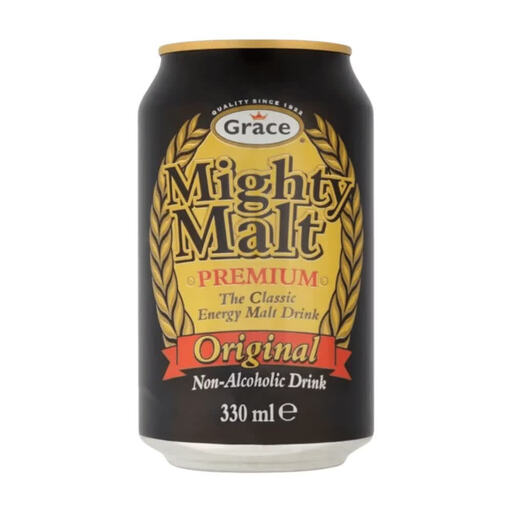
Why This Fits Their Persona: A single 330ml bottle is a practical way to try a Caribbean-style malt drink without committing to a large multipack.
The listing identifies it as non-alcoholic and provides an ingredient and nutrition panel, including barley and sugar information.
Ready to drink, best served chilled, and listed at 330ml with added vitamins including B6 and B12.
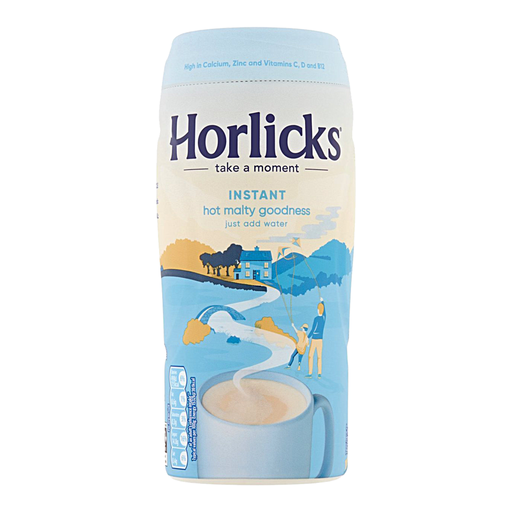
Why This Fits Their Persona: Suitable for shoppers who prefer a cupboard-stored powder that can be mixed into hot or cold milk.
The ingredient list clearly shows wheat, malted barley and milk, helping customers screen for allergens before purchase.
400g format, fortified with listed vitamins and minerals, and suitable for vegetarians according to the product information.
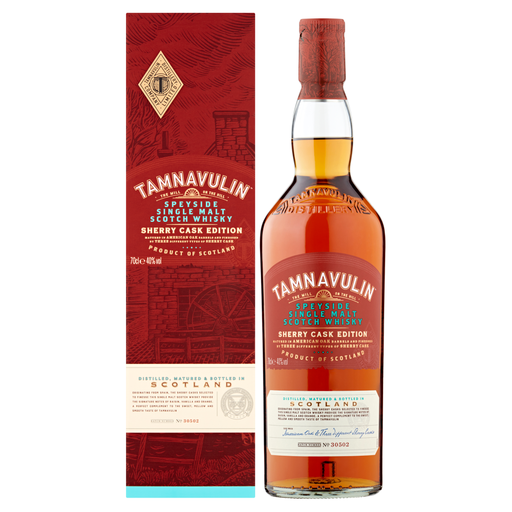
Why This Fits Their Persona: A considered choice for adults seeking a giftable 70cl Scotch whisky with explicit cask and tasting information.
The listing specifies Speyside origin, 40% ABV, American oak maturation and three sherry cask types rather than relying only on broad quality language.
Tasting notes include raisin, vanilla and orange; the bottle is suitable for vegetarians and vegans according to the listing.
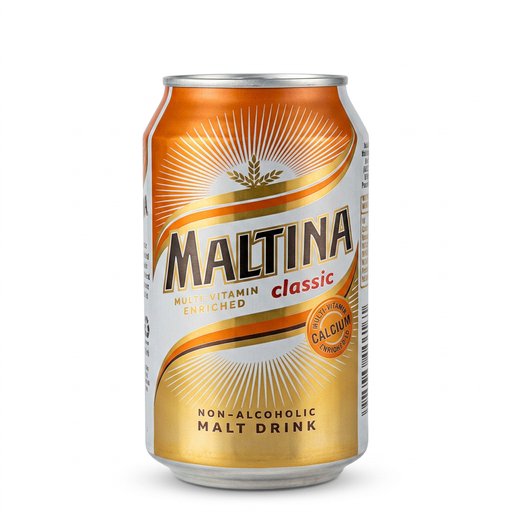
Why This Fits Their Persona: A 24-can case suits parties, family gatherings and regular shoppers looking for Nigerian malt drinks in quantity.
The case format makes the quantity clear, while the ingredient listing identifies malted barley, malted sorghum, vitamins and added sugar.
330ml cans are convenient to chill and serve individually, with a recipe inspired by Nigerian malt-drink traditions.
We have compiled a complete, real-time list of products that fully satisfy these strict selection criteria and UK safety regulations.
Many malt drinks are non-alcoholic, including Grace Mighty Malt, Supermalt Original and Maltina. However, “malt” is also used in alcoholic whisky descriptions. Check the ABV, product category and age restriction rather than assuming from the word alone.
Store unopened malt beverages in a cool, dry place away from direct sunlight and chill them before serving if preferred. Scotch whisky should be stored upright in a cool, dark place. After opening, reseal the bottle securely to limit evaporation and keep it away from heat and sunlight.
A 70cl bottle is a common gift format, but check the recipient’s preferred style first. Speyside and sherry cask expressions may suit those who enjoy sweeter, fruitier notes, while Islay bottles can be more smoky or coastal. Confirm the recipient is aged 18 or over and purchase alcohol only for responsible consumption.