Who is each loaf for?

Shoppers set on wholemeal flour

If wholemeal flour matters more than the familiar fruited texture, look at explicitly wholemeal bread. M&S describes its Wholemeal Farmhouse Loaf as made with wholemeal flour; Soreen’s Original and Sliced malt loaves list fortified wheat flour instead.

Traditional malt-loaf fans watching portions

Soreen’s sliced malt loaf keeps the soft, fruited format and gives nutrition for a 26.3g slice. That makes the labelled serving easier to identify when deciding how much to have late at night.

Fibre-focused shoppers flexible on loaf type

If a malted bread is an acceptable alternative, compare fibre on the same basis. Tesco lists 7.5g per 100g for Hi Fibre Malted Loaf, while M&S lists 6.2g per 100g for Wholemeal Farmhouse Loaf; only the latter is explicitly described here as made with wholemeal flour.

What should you check?

Wholemeal bread with malted ingredients

Choose it when: Wholemeal flour is a firm requirement; M&S Wholemeal Farmhouse Loaf explicitly uses it alongside malted ingredients.

Trade-off: It is bread, not a soft, raisin-rich malt loaf.

Traditional fruited malt loaf

Choose it when: The soft, fruited malt-loaf format is more important to you than a wholemeal-flour declaration.

Trade-off: Soreen’s Original and Sliced ingredient lists start with fortified wheat flour, not wholemeal flour.

High-fibre malted bread

Choose it when: You want a malty bread and will compare the declared fibre figure rather than require wholemeal flour.

Trade-off: Tesco Hi Fibre Malted Loaf lists wheat flour first, so its fibre figure does not establish it as wholemeal.

Priority What to check Your needs
Wholemeal flour Look for wholemeal wording and wholemeal flour in the ingredients. Malt ingredients, loaf colour and a fibre claim do not establish wholemeal status. I want wholemeal flour specifically, even if that means choosing bread instead of fruited malt loaf.
Fibre Compare figures per 100g before looking at slices of different sizes. Tesco lists 7.5g for Hi Fibre Malted Loaf, M&S lists 6.2g for Wholemeal Farmhouse Loaf and Soreen lists 3.3g for Original Malt Loaf. A malty flavour appeals to me, but I am flexible about loaf type and want to compare the declared fibre figures.
Portion and sweetness Check the labelled serving weight and sugars for the amount you plan to eat. Soreen lists 4.2g sugars per 26.3g slice of Sliced Malt Loaf; toppings add to the snack as served. For a late snack, I would rather judge the portion I will actually have than assume one slice means the same thing across loaves.
Ingredients and allergens Read the current ingredients and precautionary allergen statement. The Soreen and Tesco products discussed here contain wheat and barley; Tesco also gives a precautionary statement for other allergens. I need to check particular ingredients or allergen warnings before choosing, regardless of whether a loaf is described as vegan or high in fibre.

Common buying mistakes

  • Assuming “malt” means wholemeal

    Malt ingredients appear in products whose ingredient lists start with fortified wheat flour or wheat flour. Neither a dark appearance nor a declared fibre figure settles the wholemeal question.

    If wholemeal flour is required, check both the product wording and the flour named in its current ingredients.

  • Comparing nutrition only per slice

    A slice of Soreen Sliced Malt Loaf is listed as 26.3g, while Tesco’s Hi Fibre Malted Loaf uses a 40g slice for its serving figures. Slice figures therefore describe different quantities.

    Use per-100g figures for comparison, then check the nutrition for the portion you expect to eat.

  • Taking a vegan label as an allergen check

    Soreen’s malt-loaf ingredients include wheat and barley. A vegan description does not replace the ingredient and allergen information needed by someone avoiding those cereals.

    Read the current pack’s ingredients and allergen statement for the particular product.

  • Forgetting toppings when judging a portion

    Butter or a sweet topping changes the snack from the plain loaf described by its nutrition label.

    Decide how you will serve the loaf, then use the labelled portion as the starting point for the amount you intend to eat.

Brand and retailer references

These examples illustrate different loaf types; a retailer listing is not a substitute for checking the current product label.

Soreen

A reference for the traditional soft, fruited malt-loaf format.

  • Original and Sliced Malt Loaves contain malted barley flour and barley malt extract; Sliced lists nutrition for a 26.3g slice.
  • Their ingredient lists begin with fortified wheat flour, not wholemeal flour.

Tesco

Its Hi Fibre Malted Loaf is a malted-bread alternative to fruited malt loaf.

  • Tesco declares 7.5g fibre per 100g and 3.0g per 40g slice.
  • The ingredient list starts with wheat flour rather than wholemeal flour; check its precautionary allergen statement.

M&S

Wholemeal Farmhouse Loaf is a bread option when wholemeal flour takes priority over fruited malt-loaf texture.

  • M&S states that it is made with wholemeal flour and lists 6.2g fibre per 100g.
  • It is in-store bakery bread rather than traditional fruited malt loaf; M&S warns that traces of other allergens cannot be ruled out in the preparation area.

Waitrose

No1 Triple Malt Sourdough is another malted-bread format, made with a levain starter and seeds.

  • Its product description identifies the sourdough format and added sunflower, linseed and pumpkin seeds.
  • Do not rely on “triple malt” as a wholemeal declaration; check the current ingredients if wholemeal flour matters.

Sainsbury’s

Its listing for Soreen Original Malt Loaf provides a portion reference and storage instructions for the traditional product.

  • The listing gives nutrition for a 48.7g portion, one-eighth of the 390g loaf.
  • The listed loaf is not a wholemeal-flour alternative; check the pack for current ingredients and storage directions.

A crispbread option on Joybuy

This Ryvita crispbread is a different snack format for readers willing to move beyond malt loaf. It does not offer the soft, fruited loaf or the wholemeal malted bread discussed above.
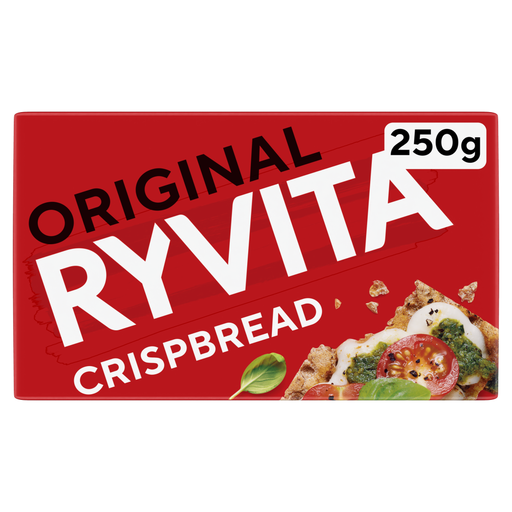
Ryvita Original 250g crispbread pack

Ryvita Original 250g

Consider this crispbread only if you are happy to replace a soft, fruited malt loaf with a different snack format. The pack is 250g; check its current ingredients and nutrition label if wholegrain content or fibre is central to your choice.

View on Joybuy

Questions about malt loaf and wholemeal bread

Is Soreen Original Malt Loaf made with wholemeal flour?

Its listed ingredients start with fortified wheat flour and do not name wholemeal flour. If wholemeal flour is essential, choose a product that identifies it in both its description and current ingredients rather than relying on the word “malt”.

Will wholemeal malted bread be like traditional malt loaf?

Not necessarily. Soreen Original is a soft, fruited loaf containing raisins and malt ingredients, while M&S Wholemeal Farmhouse is bread made with wholemeal flour and malted ingredients. Choose according to whether the flour or the fruited texture matters more to you.

How should I compare fibre across different loaves?

Start with fibre per 100g, then check the quantity you will eat. Tesco lists 7.5g per 100g for Hi Fibre Malted Loaf, M&S lists 6.2g for Wholemeal Farmhouse Loaf and Soreen lists 3.3g for Original Malt Loaf; their slice and serving sizes differ.

Which allergens need checking?

Check the current ingredients and allergen statement for the specific loaf. The Soreen malt loaves and Tesco Hi Fibre Malted Loaf discussed here contain wheat and barley, and Tesco also carries precautionary wording for other allergens.

How should I store an opened Soreen Original Malt Loaf?

Sainsbury’s listing for the 390g loaf says to keep it in a cool, dry place and eat it within two days of opening or freeze it. Follow the instructions on the pack you buy, particularly if its storage directions differ.