
24/7 Customer Support

Free returns

Same-day & Next-day Delivery

Quality Guaranteed

Unlock Your Welcome Offers: FREE Delivery | Up to 80% OFF | Free 30-day JoyPlus trial
Download the APP
Malt products cover a wide range of UK cupboard and drinks-cabinet choices, from powdered malted drinks and breakfast cereals to non-alcoholic malt beverages, snacks and Scottish single malt Scotch whisky. That variety is useful, but it can also make comparison difficult.
Marketing language often focuses on heritage, added vitamins, “premium” ingredients or regional character without making the practical differences clear. Before buying, look beyond the front label and check the ingredients, serving format, nutrition, alcohol strength and storage requirements.
Malted drinks and malted food drinks can contain sugar from several sources, including sugar, glucose syrup, malt extract and milk ingredients. A familiar or traditional image does not automatically indicate a lower-sugar product.
For example, the supplied nutrition information for Ovaltine Original Add Milk 300 g lists 48 g of sugars per 100 g of powder, while Supermalt Original lists approximately 10 g of sugars per 100 ml. These are different serving formats, so compare like for like and check how much powder or liquid you actually consume.
Some malted breakfast cereal and powdered drinks provide added vitamins or minerals. However, this does not remove the need to check sugar, portion size, allergens and overall dietary suitability. Nutrition information should be considered alongside your normal meals rather than used as a substitute for them.
Single malt Scotch whisky is made from malted barley at one distillery, but regional style, cask maturation, alcohol strength and age statement can differ considerably. Islay whisky is often associated with smoky, peated notes, while Speyside whisky is frequently presented in fruitier and softer styles. These are useful starting points, not guarantees for every bottle.
Malt generally comes from germinated and dried grain, most commonly barley or wheat. This matters if you avoid gluten or have an allergy. Check the bold allergen declaration for barley, wheat, milk, soya, nuts and other relevant ingredients.
This is particularly important with:
For example, McCoys Ridge Cut Salt & Malt Vinegar contains barley malt vinegar extract, while Ovaltine Cocoa Crunchy Tube contains wheat, milk, soya, barley and hazelnuts.
Powders, cans, cartons and snack packs should not be compared by pack size alone. Check:
A large cereal box may offer better cupboard value, but only if it will be used before it loses freshness. Smaller multipacks may be more suitable for lunchboxes, travel or occasional use.
For whisky, ABV shows the alcohol percentage, while units help indicate the amount of pure alcohol in a bottle. A 700 ml bottle at 40% ABV contains approximately 28 UK units. Some bottles are stronger; Bunnahabhain Islay Single Malt Scotch Whisky is listed at 46.3% ABV.
Look for:
Whisky is for adults aged 18 and over. Drink responsibly, never drink and drive, and follow UK lower-risk drinking guidance.
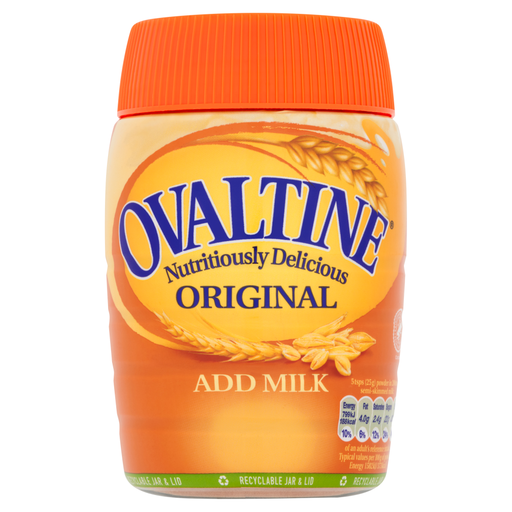
Why This Fits Their Persona: A compact powdered malted drink for shoppers who want a familiar home cupboard option that can be prepared with milk.
The 300 g pack makes the quantity clear, while the ingredient and nutrition panel allows sugar and milk content to be checked before purchase.
Barley malt extract is listed at 73%; the product is designed for simple preparation and cool, dry storage.
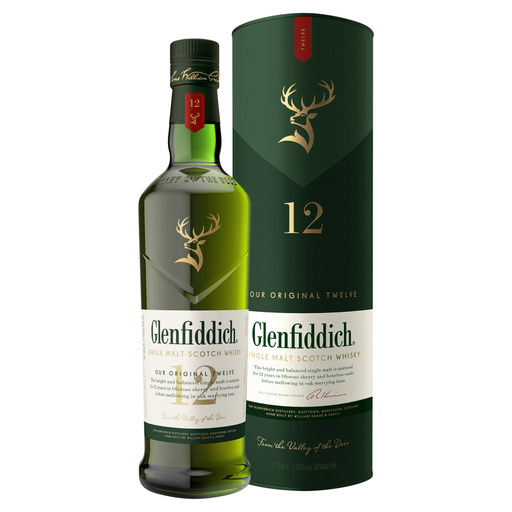
Why This Fits Their Persona: A Speyside single malt with a stated 12-year maturation, suitable for gifting, entertaining or a personal whisky collection.
The region, bottle size, age statement and 40% ABV are stated, giving buyers concrete details rather than relying only on prestige language.
Made in Scotland; 70 cl bottle; listed Speyside region and 40% ABV.
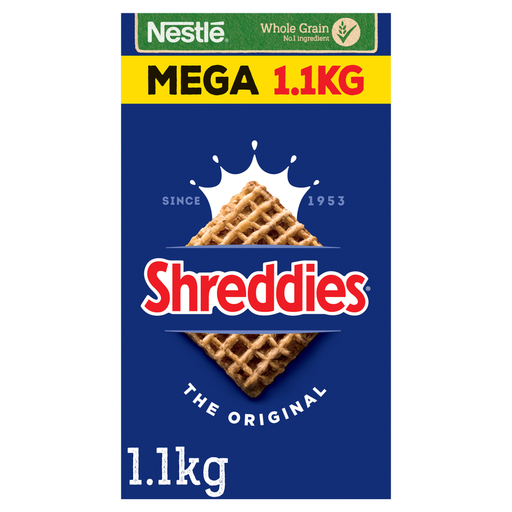
Why This Fits Their Persona: A 1.1 kg cereal format suits households that regularly serve breakfast cereal and want a larger cupboard supply.
The pack size and 40 g serving information make it easier to estimate household usage instead of choosing based only on the front-of-pack claims.
Contains 96.1% wholegrain wheat; listed as high in fibre and suitable for vegans.

Why This Fits Their Persona: A stated Islay single malt for shoppers specifically comparing peated and smoky whisky styles.
The Islay region, 10-year age statement, 40% ABV and 28 units per 70 cl bottle are clearly specified for practical comparison.
Made in Scotland; listed Islay region; suitable for shoppers comparing smoky single malt profiles.
We have compiled a complete, real-time list of products that fully satisfy these strict selection criteria and UK safety regulations.
Malt products are foods and drinks made with malted grain or malt-derived ingredients. The category includes malted drinks, malt beverages, malted breakfast cereal, malt snacks and single malt Scotch whisky.
Suitability depends on the individual product and your overall diet. Check the serving size, sugar, allergens and preparation method. Products containing milk, wheat or barley may not suit people with relevant allergies or intolerances.
Start with region, age statement, cask information, bottle size and ABV. Speyside and Highland whisky may appeal to shoppers seeking a softer profile, while Islay whisky is often considered by those looking for peat and smoke. Always check the bottle label and drink responsibly.