
24/7 Customer Support

Free returns

Same-day & Next-day Delivery

Quality Guaranteed

Unlock Your Welcome Offers: FREE Delivery | Up to 80% OFF | Free 30-day JoyPlus trial
Download the APP
As a new parent, few things are more distressing than watching your baby struggle with discomfort after a feed. The endless crying, trapped wind and general fussiness associated with colic can turn what should be a peaceful bonding time into a stressful ordeal. The market is flooded with bottles claiming to be the solution, but navigating the claims can be confusing.
My role as Joybuy's Product Recommendation Officer is to help you see past the marketing jargon. Many parents find themselves caught in common purchasing traps, leading to a cupboard full of unused bottles and a still-unhappy baby. Before you buy, be aware of these pitfalls:
To make an informed choice, it helps to understand the core components that genuinely contribute to a better feeding experience. Focus on these three non-negotiable parameters.
The single most important feature of baby bottles for colic and gas is the venting system. Its job is to allow air to enter the bottle as milk leaves, preventing a vacuum from forming. This stops the teat from collapsing and, crucially, reduces the amount of air your baby swallows along with their milk.
There are two main types:
For many families, especially those looking for a breast like bottle for newborns, the teat is a deciding factor. The goal is to find a teat that encourages a deep, comfortable latch similar to breastfeeding. Look for:
Your baby's immune system is still developing, so keeping bottles sterile is vital. However, the process shouldn't consume your entire day. A self sterilising baby bottle offers a significant advantage. These designs allow you to use your microwave to sterilise the bottle in just a few minutes with a small amount of water, eliminating the need for a separate, bulky steriliser. Also, consider bottles with a wide neck and fewer parts, as they are far easier to clean thoroughly.
Based on these practical considerations, here are a few recommendations matched to different parenting needs.
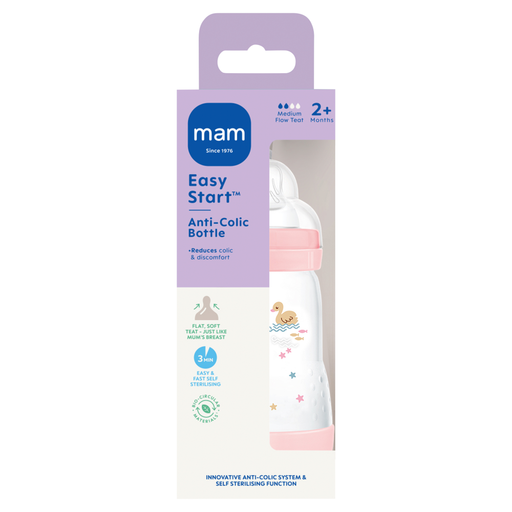
Why This Fits Their Persona: For parents juggling a newborn and a busy schedule, convenience is paramount. This bottle's signature feature is its 3-minute microwave self-sterilisation, which saves time and reduces kitchen clutter by removing the need for a separate steriliser.
It directly counters the "complicated cleaning" trap. The bottle disassembles into a few simple parts and the self-sterilising function is straightforward and effective.
The patented vented base provides a clear, functional anti-colic mechanism. The bottle is also made from BPS and BPA-free materials for safety.
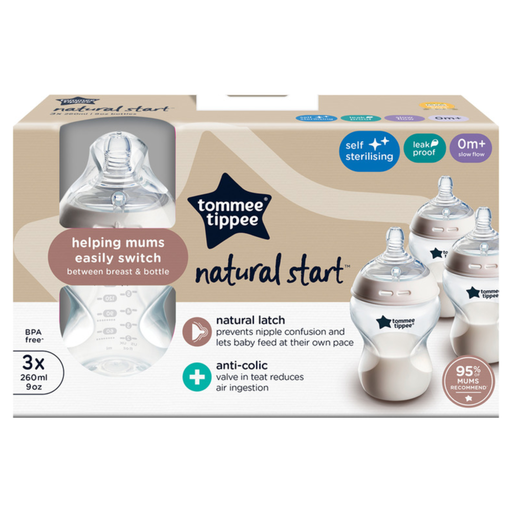
Why This Fits Their Persona: When switching between breast and bottle, the teat's shape is critical. This bottle is designed with a wide, soft silicone teat that flexes and stretches to mimic a natural breastfeeding latch, aiming to make the transition smoother for the baby.
It directly addresses the "teat rejection" problem. The design focuses on creating a breast-like feel to encourage a high acceptance rate, which is a common concern for combination-feeding parents.
Features an integrated anti-colic valve in the teat to reduce air intake. The wide neck design also makes it simple to clean and fill.

Why This Fits Their Persona: This version of the MAM bottle is made with bio-circular materials, which helps to lower its carbon footprint. It offers the same trusted anti-colic and self-sterilising features while providing a more sustainable choice for environmentally aware parents.
This bottle avoids the trap of being a single-focus product. It delivers on the core anti-colic promise while also addressing the growing consumer demand for products with a reduced environmental impact.
Combines all the key MAM features: a vented base, a SkinSoft teat with a high acceptance rate and self-sterilisation, all within a more sustainable design.
We have compiled a complete, real-time list of products that fully satisfy these strict selection criteria and UK safety regulations.
For reasons of both safety and hygiene, it is generally recommended to replace bottle teats every 1-2 months. You should also inspect the teat before every feed for any signs of damage, such as tears, thinning or tackiness, and replace it immediately if you notice any weakness.
Yes, you can. While the self-sterilising feature is a convenient option, especially when travelling, all parts of the MAM bottle are also suitable for other methods of sterilisation. This includes electric steam sterilisers, cold-water sterilisation using a sterilising solution and boiling in water for five minutes.
A bottle is considered "anti-colic" if it has a specific design feature to reduce the amount of air a baby swallows during feeding. This is achieved through a venting system that allows air to flow into the bottle to replace the milk as it is drunk, preventing a vacuum from forming. This steady, air-bubble-free flow means the baby ingests more milk and less air, which can help reduce symptoms of gas, fussiness and colic.