
24/7 Customer Support

Free returns

Same-day & Next-day Delivery

Quality Guaranteed

Unlock Your Welcome Offers: FREE Delivery | Up to 80% OFF | Free 30-day JoyPlus trial
Download the APP
The search for the perfect mango drink can feel like navigating a tropical jungle. Shelves are packed with bottles promising a taste of sunshine, but not all deliver. Many of us have been disappointed by a drink that tastes more like a sweet shop than a sun-ripened mango, or one that’s surprisingly thin and watery. Before you add another bottle to your basket, it’s worth knowing about a few common pitfalls that can lead to a disappointing purchase.
The most frequent issue is the gap between "mango flavoured" and genuine mango juice. A vibrant label might hide the fact that the drink contains minimal actual fruit, relying instead on artificial flavourings and a lot of sugar. Another common trap is hidden sweeteners; a drink might be low in one type of sugar but contain others that you may wish to avoid. Finally, the promise of a rich texture, like mango juice with pulp, can sometimes fall flat, leaving you with a few lonely strands rather than the satisfying mouthfeel you were hoping for.
Understanding what to look for on the label is the key to finding a mango drink that truly satisfies.
To avoid disappointment, focus on a few core details that separate a high-quality beverage from a less impressive one. These parameters determine the flavour, texture and overall experience.
The most significant factor in any fruit drink is the amount of actual fruit it contains. When you check the ingredients list, you will encounter a few key terms:
The type and amount of sweetener used will dramatically affect the taste and nutritional profile. While sugar is common, many drinks use alternatives:
Also, look for acidity regulators (like citric acid) and stabilisers (like gellan gum), which are common additives used to maintain a consistent flavour and prevent the ingredients from separating.
Mango drinks come in a variety of styles, each offering a different experience. Consider what you're in the mood for:
To help you choose, we've matched some popular options to different preferences and needs.
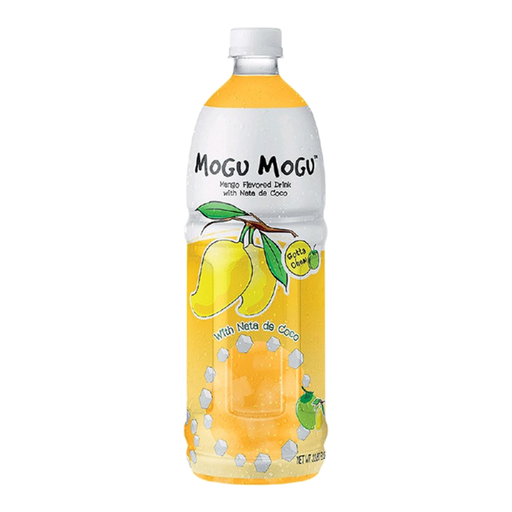
Why This Fits Their Persona: This is for the adventurous drinker who wants more than just hydration. The combination of sweet mango drink and chewy nata de coco (coconut jelly) makes it a fun and engaging experience, almost a drink and a light snack in one.
It sidesteps the vague "with pulp" pitfall by making its texture the star. The product is built around the 25% Nata De Coco content, so you know exactly what kind of chewy texture you're getting.
The main draw is the unique and satisfying chewiness of the coconut jelly, which complements the sweet mango flavour. It offers a more playful and substantial drinking experience than a standard juice.
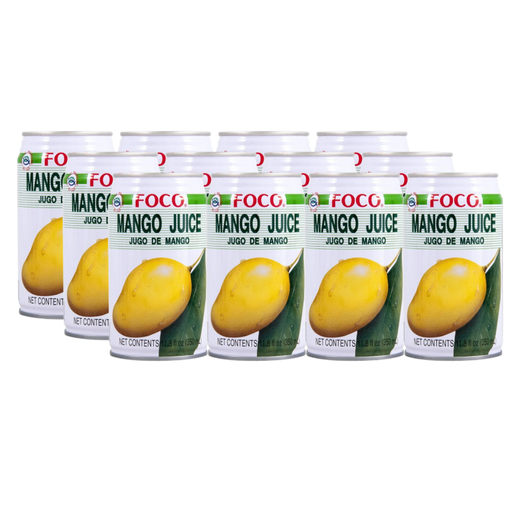
Why This Fits Their Persona: This is for someone who prioritises authentic flavour above all else. They want a drink that tastes like real mangoes because it's made from them. It's perfect for enjoying chilled on its own or as a high-quality base for smoothies and mocktails.
It avoids the "mango flavoured" trap by using a substantial 25% mango purée. This high fruit content ensures the flavour is rich and genuine, not synthetic or overly sweet, delivering an authentic Asian mango juice experience.
The high purée content provides a velvety smooth texture and a deep, aromatic mango flavour. It is also naturally gluten-free and contains no artificial colours, making it a straightforward, quality choice.
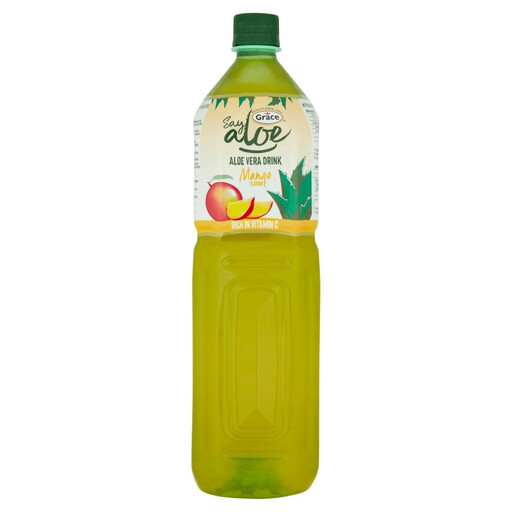
Why This Fits Their Persona: This user needs a crowd-pleasing drink in a size that's practical for sharing at family meals, barbecues or just for keeping the fridge stocked. The large 1.5L format offers great value, and the combination of mango and aloe is a popular choice for all ages.
It avoids the trap of poor value by offering a large volume. Instead of buying multiple small, expensive bottles, this 1.5L format is economical for serving several people. It's also clear about its texture, highlighting the aloe vera pulp.
Excellent value for money in a family-sized bottle. The blend of sweet mango purée and chewy aloe vera pulp creates a refreshing and texturally interesting drink that appeals to a wide audience.
We have compiled a complete, real-time list of products that fully satisfy these strict selection criteria and UK safety regulations.
In the UK, the terms are often used to distinguish between products based on their fruit content. A product labelled "mango juice" must typically be 100% fruit juice. A "mango drink" or "juice drink" usually contains a lower percentage of juice, blended with water, sugar or sweeteners and other flavourings. Always check the ingredients list for the percentage of mango purée or juice to understand what you are buying.
The healthiness of any mango drink depends on its overall composition. The addition of real fruit pulp or aloe vera can add fibre and texture. However, it is crucial to check the sugar content. Many drinks, even those with natural-sounding ingredients, can be high in sugar or artificial sweeteners. They can be enjoyed as a refreshing treat as part of a balanced diet.
Once opened, any mango juice or drink should be sealed tightly and stored in the refrigerator. Most manufacturers recommend consuming the product within three days to ensure it remains fresh and safe to drink. Always check the packaging for specific storage instructions, as this can vary between brands and packaging types (carton, bottle or can).