
24/7 Customer Support

Free returns

Same-day & Next-day Delivery

Quality Guaranteed

Unlock Your Welcome Offers: FREE Delivery | Up to 80% OFF | Free 30-day JoyPlus trial
Download the APP
A chilled mango juice drink can work for breakfast, packed lunches, parties or a tropical-inspired mocktail. However, the colourful packaging does not always tell you how much mango is actually inside. The practical choice depends on the ingredient list, nutrition panel, pack size and how you plan to serve it.
“Mango” on the front of a carton may describe the flavour rather than a high proportion of fruit. Check the ingredients and quantitative ingredient declaration. Products in this category range from drinks with around 10% mango concentrate or purée to options containing 25–30% mango purée.
A mango nectar or mango purée drink may have a thicker texture, while a lighter tropical fruit drink may combine mango with apple, guava, carrot, citrus or pineapple. Neither format is automatically right or wrong, but the difference affects taste, texture and value.
A no added sugar mango drink can still contain naturally occurring sugars from mango purée or juice. Some products use sweeteners instead, so read the full ingredient list rather than relying only on the front-of-pack claim.
Compare the nutrition panel per 100ml, not just per bottle or carton. This makes it easier to compare a mango drink 1L carton with a mango juice 350ml bottle or a multipack.
A 1L carton can be practical for family meals, but it usually needs refrigeration after opening and should be consumed within the period stated on the packaging. Single-serve bottles and cartons reduce the need to store an opened container, while a mango juice multipack can suit offices, cafés, restaurants and larger households.
Also check whether the container is a carton, bottle or can. A lightweight carton is convenient for cupboard storage, while a glass bottle such as a sparkling mango drink may be more appropriate for serving at a gathering.
Look for the percentage of mango purée, mango juice or mango concentrate. A higher declared fruit percentage generally indicates a more prominent fruit base, but it may also produce a fuller texture and sweeter flavour.
The wording on the label matters:
For everyday comparison, focus on energy and sugars per 100ml. Reference products range from 10 kcal and 2.2g sugars per 100ml in Maaza Mango No Added Sugar Drink to approximately 64 kcal and 10.3g sugars per 100ml in the six-pack Tropical Vibes Mucho Mango listing.
A lower sugar figure may be useful for shoppers limiting sugar intake, but check whether sweeteners are used and consider the intended serving size. “No added sugar” does not mean the drink is suitable for unlimited consumption.
UK food labels should be checked for allergens and the most current information should always be taken from the physical packaging. Several listed drinks declare no major allergens, but fruit sensitivities can still matter to individual shoppers.
Some tropical fruit drinks contain permitted colours, preservatives, acidity regulators or stabilisers. For example, the Tropical Vibes Fruit Punch listing identifies Allura Red and includes a notice that it may have an adverse effect on activity and attention in children. Parents and carers may prefer to review the complete label before choosing a drink for children’s parties or lunch boxes.
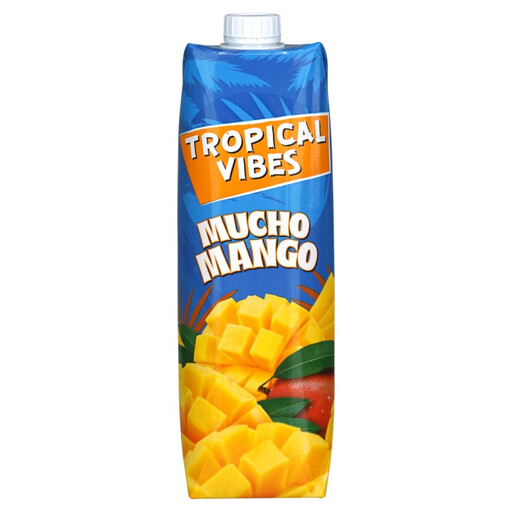
Why This Fits Their Persona: The 1L carton provides a shareable format for family breakfasts, meals and chilled fridge storage without committing to a larger case.
The listing states 10% mango purée and identifies sugar in the ingredients, making the fruit content and sweetening easier to assess.
1L Tetra Pak carton; approximately 50 kcal and 12g sugars per 100ml; includes citrus juice concentrates.
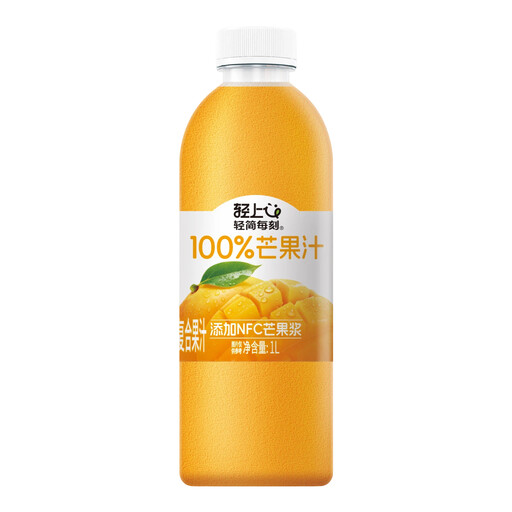
Why This Fits Their Persona: Shoppers seeking a clearly stated fruit blend can compare its declared 30% not-from-concentrate mango purée with the apple juice component.
The product information gives a quantitative mango declaration and lists only water, mango purée and apple juice concentrate.
1L format; 30% mango purée stated; suitable for serving chilled or using in smoothies and mocktails.
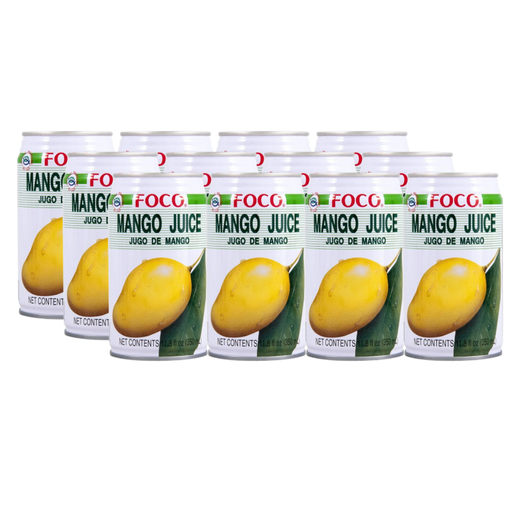
Why This Fits Their Persona: The 12-pack of 350ml cans suits cafés, caterers, convenience retailers, offices and households that need individual servings.
The case quantity and 350ml serving size are stated clearly, helping buyers calculate stock requirements rather than over-ordering large cartons.
12 individually sealed 350ml cans; product information states 30% mango purée; useful for chilled service or mocktail preparation.
We have compiled a complete, real-time list of products that fully satisfy these strict selection criteria and UK safety regulations.
For a more textured option, Mogu Mogu Mango Flavoured Drink with Nata de Coco 1L contains nata de coco pieces and is designed to be enjoyed chilled. Smaller options include KATO Mango Drink with Nata de Coco 320ml and Maaza Mango Drink Tetra Pack 8x330ml, which can work for lunchboxes or portion-controlled serving.
If you prefer a lighter aloe-based drink, OKF Aloe Vera Juice (Mango) 500ml combines aloe vera juice and gel with mango flavour and sweetener. Tropical Sun Aloe Vera Drink Mango 500ML is another option, with aloe vera pulp and a 500ml format.
For celebrations, De Vina 750m Sparkling Mango is carbonated, alcohol-free and packaged in a glass bottle. For a Caribbean-style flavour profile, consider a mango-and-carrot blend such as Grace Tropical Rhythms Mango Carrot 1L. Always check the label for sweeteners, preservatives and serving instructions.
Check the ingredients, sugar content, serving size and any colour warnings before serving. Some products contain sweeteners or colours, while others contain added sugar. The packaging should be your final reference, particularly if a child has an allergy or dietary requirement.
Storage varies by product. Many listed cartons advise refrigeration and consumption within three days after opening; some smaller aloe drinks advise a shorter period, while the Maaza 330ml listing states up to five days. Follow the instructions on the specific pack and discard any product with damaged packaging or an unusual smell, colour or texture.
Choose a 1L mango drink for shared meals and regular fridge use, 250–350ml portions for individual consumption or a six- or twelve-pack when buying for a business, event or larger household. Compare the total volume and storage space, not only the price of the outer pack.