
24/7 Customer Support

Free returns

Same-day & Next-day Delivery

Quality Guaranteed

Unlock Your Welcome Offers: FREE Delivery | Up to 80% OFF | Free 30-day JoyPlus trial
Download the APP
The appeal of mango is undeniable. Its sweet, tropical flavour can brighten up everything from a simple drink to a complex dessert. However, the growing popularity of mango products has led to a crowded market where not all options are created equal. Many shoppers find themselves disappointed by products that promise authentic flavour but deliver a synthetic taste, or discover hidden sugars and additives only after purchase.
As the Joybuy Product Recommendation Officer, my role is to help you navigate this landscape. This guide will highlight the common pitfalls to watch out for and break down the key factors to consider, ensuring you choose mango products that genuinely meet your needs, whether for a quick snack, a family meal or a special recipe.
Before adding items to your basket, be aware of these frequent issues that can lead to buyer's remorse.
To ensure you are getting a quality product, focus on these three non-negotiable details on the packaging.
This is the most reliable indicator of a product's quality and authenticity. For a mango juice drink or smoothie, a higher percentage of mango puree (often 15% or more) typically signals a richer, more natural flavour. For products like mango pulp for cooking, look for percentages upwards of 90% to ensure you are getting a concentrated, authentic base for your recipes. Products with less than 10% fruit content are often bulked out with water, sugar and flavourings.
A shorter, more recognisable ingredient list is generally a good sign. For dried mango snacks or an organic mango puree, the ideal list would contain just mango, perhaps with a natural acidity regulator like citric or ascorbic acid (Vitamin C). Be cautious of products with long lists of artificial colours, preservatives (such as sulphites) and multiple types of added sugars (e.g., glucose syrup, fructose). This is particularly important when choosing mango baby food, where simplicity is paramount.
Discerning brands often highlight the specific type of mango used, as it is a mark of quality. If you see Alphonso mentioned on a product like Alphonso mango juice, you can expect a rich, creamy and intensely aromatic flavour. Kesar mangoes, often used in pulp, are known for their vibrant colour and sweet taste with a hint of tartness. This level of detail shows a commitment to flavour that generic "mango" branding often lacks.
Here are a few mango products that align with our selection criteria, matched to different household needs and preferences.
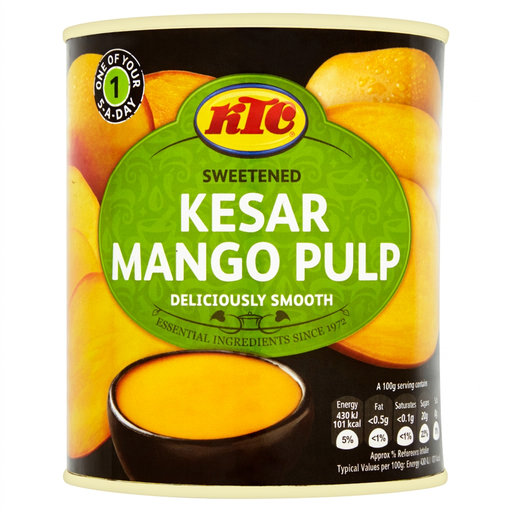
Why This Fits Their Persona: For the home cook dedicated to authentic South Asian cuisine, this pulp is an essential pantry staple. It provides a consistent, high-quality base for making mango lassis, desserts, curries and marinades without the effort of peeling and pureeing fresh fruit.
It avoids the "vague origin" trap by clearly stating it is made from Kesar mangoes. With 95% mango content, it also sidesteps the issue of low fruit and artificial flavourings.
High fruit content (95%) delivers authentic flavour and texture. The large 850g can is ideal for batch cooking or entertaining.
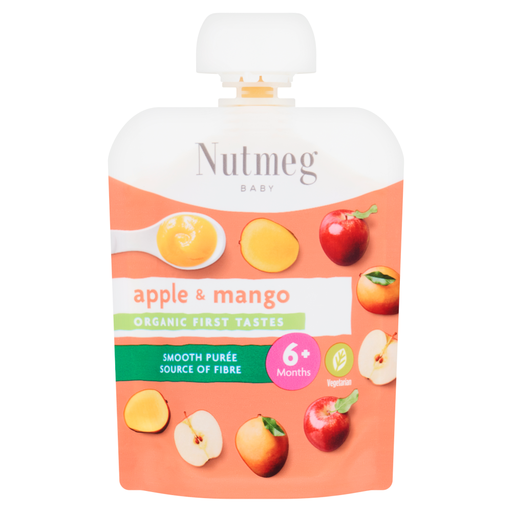
Why This Fits Their Persona: Parents looking for simple, trustworthy mango baby food will appreciate this product. It is specifically formulated for weaning babies (6+ months) with a smooth texture and is packaged in a convenient pouch for feeding at home or on the go.
This puree avoids the hidden sugar and additives trap entirely. The ingredients are simply organic apple and mango puree with a little organic lemon juice. There are no added sugars, artificial flavours or preservatives.
Certified organic ingredients provide peace of mind. The smooth texture is ideal for babies starting on solids.
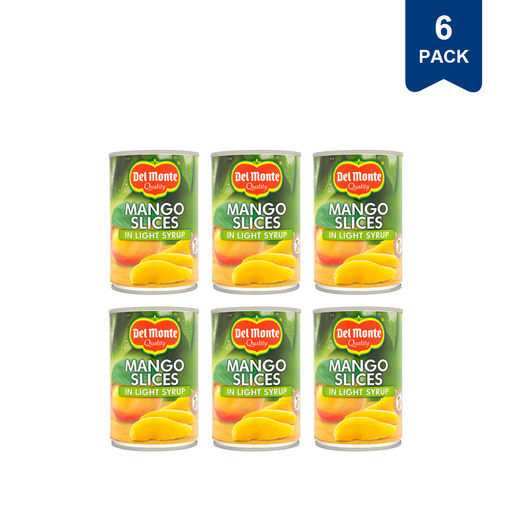
Why This Fits Their Persona: This multi-pack of canned mango slices is a versatile and convenient pantry staple for families. The slices are ready to eat and can be used for quick desserts, added to breakfast cereals, packed in lunchboxes or blended into smoothies.
While it is packed in syrup, the "light syrup" and clear nutritional information allow consumers to make an informed choice. The primary ingredient is mango, not just flavouring, providing an authentic fruit experience.
Extremely convenient and versatile for many uses. The multi-pack format offers good value and ensures you always have some on hand.
We have compiled a complete, real-time list of products that fully satisfy these strict selection criteria and UK safety regulations.
While often used interchangeably, there can be a slight difference. Mango pulp is typically the sweet, fibrous flesh of the mango that has been processed. It may retain some texture. Mango puree is generally smoother, having been sieved to remove most of the fibrous strands. For drinking or making smooth sauces, puree is often preferred. For recipes where a little texture is desirable, pulp is an excellent choice.
Check the ingredients list. If the only ingredient is "mango," it contains no added sugar. If you see "sugar," "cane sugar" or "glucose syrup" listed, then sugar has been added during the dehydration process. Some dried mango snacks are also dusted with sugar, which will be visible on the product.
For many applications, yes. Canned mango slices are excellent for smoothies, desserts like cheesecakes or as a topping for yoghurt, as they provide consistent flavour and texture year-round. However, for dishes where the firm texture of fresh mango is critical, such as in a fresh salsa or a salad, fresh mango is usually the better option. Canned slices are softer due to the preservation process.