
24/7 Customer Support

Free returns

Same-day & Next-day Delivery

Quality Guaranteed

Unlock Your Welcome Offers: FREE Delivery | Up to 80% OFF | Free 30-day JoyPlus trial
Download the APP
Mango snacks can mean very different things: chewy dried fruit, mango slices in syrup, frozen mango chunks, fruit juice, chutney, mochi or sweets. That variety makes shopping convenient, but it also creates several easy ways to spend money on a product that does not suit your needs.
A large bag may appear economical but contain added sugars and preservatives you were not expecting. A tin may look generous until you check the drained weight. Meanwhile, a product described as “mango flavoured” may contain relatively little mango. The practical approach is to compare the ingredient list, usable quantity and storage requirements before choosing.
For mango in syrup, the headline weight includes liquid. For example, a 425g tin of sliced mango may contain a 230g drained weight. This is the figure to use when comparing value with mango slices or frozen mango.
Dried mango has the opposite issue: dehydration removes water, so a smaller pack can provide a concentrated, chewy snack. It is useful for travel and desk drawers, but its nutrition panel should be assessed per 100g and per realistic portion.
Many dried mango products contain sugar, glucose syrup, maltose or glycerol to affect sweetness and texture. Some also contain sulphites, which must be declared as an allergen in the UK. Always read the full ingredients panel rather than relying on front-of-pack descriptions.
Mango in syrup also contains added sugar, while chutney is typically both sweet and salty. These products can still have a place in desserts, cooking or occasional snacking, but they should not be confused with plain frozen fruit.
A pouch of dried mango can be stored in a cool, dry cupboard, whereas frozen mango needs freezer space at -18°C or below. Opened tins and jars require refrigeration and should be transferred to a suitable covered container where stated on the label.
Frozen mango is convenient for smoothies and mango desserts, but it may need thorough thawing before direct consumption. Sweets containing gelatine may also be unsuitable for vegetarians, so check the ingredients if this matters to your household.
Ingredients are listed in descending order by weight. Compare the stated mango content: examples in this range include dried mango with at least 70% mango, large dried slices with 83% mango and mango pulp containing 90% Alphonso mango pulp alongside sugar, water and acidity regulator.
For a fruit-forward snack, look for mango near the beginning of the list. For a cooking ingredient, also consider whether the product includes spices, syrup or additional fruit juices.
Nutrition panels make comparisons easier:
These figures are not a recommendation to avoid a particular category. They simply help match the product to your intended use.
Choose a small pack for occasional snacking, a multi-pack for lunchboxes or gatherings and a larger case for regular cooking. A 6 x 850g case of mango pulp is suited to households or kitchens making lassi, desserts and sauces regularly, while a 100g dried mango bag is easier to finish after opening.
Check best-before information, resealing instructions and post-opening guidance. Keep frozen products frozen, and do not refreeze them once thawed unless the packaging specifically permits it.
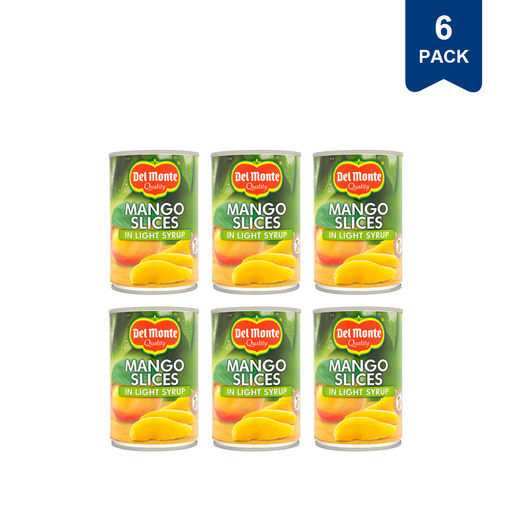
Why This Fits Their Persona: A six-pack gives families a cupboard-friendly supply for breakfasts, snacks and simple mango desserts without preparing fresh fruit.
The listing states both 425g net quantity and 230g drained weight per tin, making the usable fruit easier to judge.
Ready-to-eat mango slices; the syrup can be used in drinks or desserts; no listed allergens.
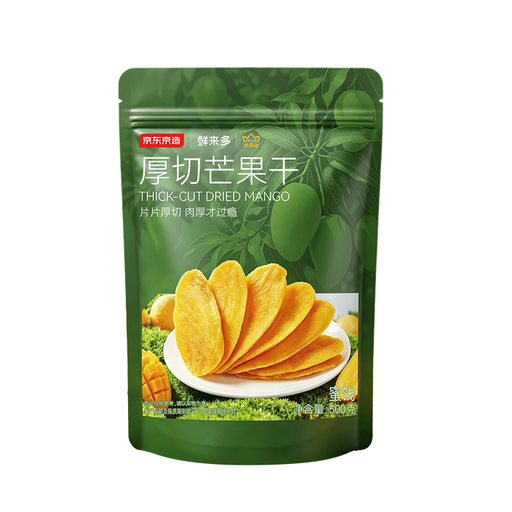
Why This Fits Their Persona: The substantial 500g pack suits regular dried fruit shoppers who prefer thick-cut pieces and a chewy texture.
The product information states mango at 70% or more and clearly identifies sulphites, helping shoppers assess fruit content and allergens.
Thick-cut pieces; ready to eat; 500g format for sharing or repeated use.
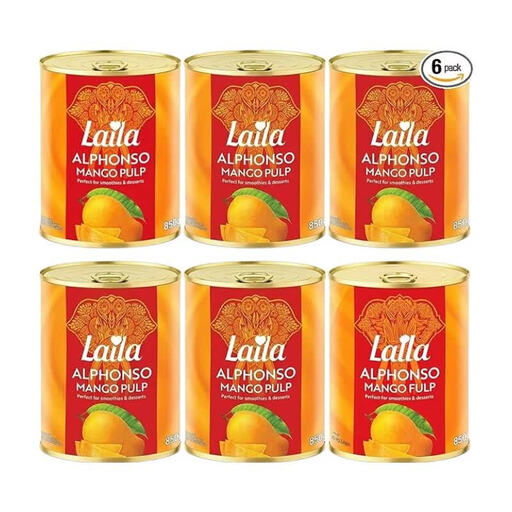
Why This Fits Their Persona: The six-tin case is suited to home cooks, dessert makers and anyone preparing lassi, smoothies or Indian-style sweets frequently.
The ingredient declaration identifies 90% Alphonso mango pulp, with sugar and water listed separately.
Large 6 x 850g format; suitable for drinks, toppings, yoghurt dishes and mango desserts.
We have compiled a complete, real-time list of products that fully satisfy these strict selection criteria and UK safety regulations.
They can be included in a varied diet, but dried mango is concentrated and many products contain added sugar. Compare the nutrition panel, measure a modest portion and check for sulphites if you have an allergy or sensitivity.
Yes. It can be eaten directly from the tin after draining. Refrigerate unused fruit and syrup in a covered, non-metallic container according to the product instructions, and use it within the stated period.
Frozen mango chunks and mango pulp are convenient choices. Frozen chunks provide pieces that can be blended with yoghurt or juice, while pulp offers a smoother base for lassi, sauces and desserts. Check whether frozen fruit needs thawing before blending or serving.