
24/7 Customer Support

Free returns

Same-day & Next-day Delivery

Quality Guaranteed

Unlock Your Welcome Offers: FREE Delivery | Up to 80% OFF | Free 30-day JoyPlus trial
Download the APP
Navigating the world of Manuka honey can feel overwhelming. With jars carrying premium price tags and labels covered in acronyms, it is easy to feel uncertain about whether you are making a wise purchase. Many shoppers find themselves paying for what amounts to little more than expensive table honey, caught out by confusing marketing and vague claims.
As the Joybuy Product Recommendation Officer, my role is to help you understand what truly matters. This guide will break down the essential factors, helping you bypass the common pitfalls and confidently select a genuine, effective product that aligns with your wellness goals and budget.
Before you add a jar to your basket, be aware of these frequent issues that can lead to a disappointing purchase:
To ensure you are getting authentic, high-quality New Zealand Manuka honey, focus on these three non-negotiable factors.
The most critical factor is the certification that guarantees the honey's authenticity and potency. There are two primary, reliable systems:
While MGO is a measure of a single compound, UMF is a broader quality mark. As a general guide, UMF 10+ is equivalent to approximately MGO 263+. For everyday wellness, an MGO rating of 70+ to 100+ is a popular starting point.
This distinction tells you about the honey's primary nectar source, which impacts its potency and flavour.
To get the full spectrum of what this natural product has to offer, look for raw Manuka honey. The term "raw" indicates that the honey has not been pasteurised (heat-treated) or fine-filtered. This minimal processing helps preserve the naturally occurring enzymes, pollen and delicate compounds that can be damaged or removed by heat.
Based on these criteria, we have matched a few standout products to different user needs.

Why This Fits Their Persona: This is an ideal entry point for UK consumers new to Manuka honey. It offers a certified MGO rating for daily immune and digestive support without the high cost of a monofloral, high-strength variant. Perfect for stirring into porridge or a warm drink.
It features a clear, certified MGO 100+ rating, so you know exactly what you are paying for, avoiding the vague "Active" label trap.
A great balance of certified activity and value. It is raw and unpasteurised, retaining its natural properties.

Why This Fits Their Persona: For those who are well-informed and seeking a higher level of potency for targeted wellness support. The monofloral source and higher MGO rating make it a premium choice for a more focused approach.
This is a Monofloral honey with a potent MGO 250+ rating, ensuring you are not just buying a "Manuka blend" but a product with a high concentration of Manuka nectar.
Higher potency for targeted use. Sourced solely from the Manuka plant for a richer, more powerful profile.
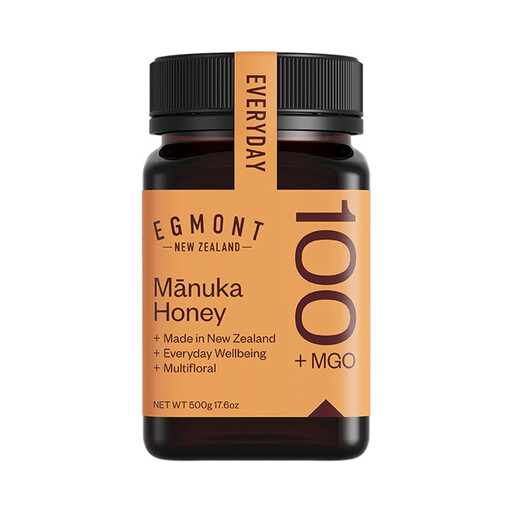
Why This Fits Their Persona: For families incorporating Manuka honey into their daily routine, this larger 500g jar offers better value. The MGO 100+ multifloral grade is a practical and economical choice for everyone over 12 months of age to enjoy.
It provides a certified, reliable strength (MGO 100+) in an economical size, preventing you from overpaying for multiple small, high-strength jars that are unnecessary for daily family use.
Excellent cost-per-serving for regular use. The large 500g jar is convenient for a family pantry.
We have compiled a complete, real-time list of products that fully satisfy these strict selection criteria and UK safety regulations.
The MGO number represents the concentration of Methylglyoxal, the primary active compound in Manuka honey, measured in mg per kg. A higher number signifies a stronger concentration. For example, MGO 100+ contains at least 100mg of MGO per kg. This is a straightforward, scientific measure of one of the key components that makes Manuka honey unique.
Yes, you can. However, to preserve the delicate natural enzymes and compounds, it is advisable to let your tea or hot water cool slightly before stirring in the honey. Adding it to boiling water can degrade some of its beneficial properties.
For those seeking a natural product with certified levels of specific active compounds, Manuka honey offers a level of assurance that regular table honey does not. While standard honey is a fine sweetener, authentic MGO Manuka honey is purchased for its unique properties, which are verified by independent lab tests. The price reflects its rarity, the complex certification process and its origin in the remote landscapes of New Zealand. Whether it is "worth it" depends on your personal wellness goals and budget.