
24/7 Customer Support

Free returns

Same-day & Next-day Delivery

Quality Guaranteed

Unlock Your Welcome Offers: FREE Delivery | Up to 80% OFF | Free 30-day JoyPlus trial
Download the APP
Manuka honey appeals to UK shoppers looking for a distinctive natural sweetener, but the labels can make choosing surprisingly difficult. Terms such as MGO, UMF, “raw”, “multifloral” and “monofloral” describe different aspects of the product, while premium packaging can make one jar appear more suitable than another.
The main buying traps are easy to overlook:
MGO, short for methylglyoxal, is shown in milligrams per kilogram. A label such as MGO 40+, MGO 70+ or MGO 250+ indicates the stated minimum level for that product. Always check the packaging because product descriptions and formulations can change.
UMF is a separate grading and certification system. For example, a product marked UMF 10+ should be checked for the relevant certification details and corresponding MGO information. The two systems should not be treated as interchangeable without consulting the manufacturer’s information.
For everyday sweetening, a lower MGO rating may be sufficient. Shoppers specifically comparing MGO Manuka honey for its distinctive flavour or a more concentrated product may prefer a higher rating, although the price generally rises with the rating.
Multifloral Manuka honey is made from nectar gathered from Manuka and other flowers. It can offer a more varied flavour profile and is often available at approachable ratings such as MGO 40+ or MGO 70+.
Monofloral Manuka honey is sourced predominantly from Manuka blossoms. It is commonly positioned as a more specific premium product and may carry a higher MGO or UMF rating. Look for clear wording about origin, certification and testing rather than relying only on phrases such as “pure” or “premium”.
Raw Manuka honey is generally associated with limited heat processing, but the exact meaning can vary by product. Check whether the label says raw or unpasteurised and follow the supplied storage instructions.
A straightforward ingredient list reading 100% honey or 100% Manuka honey helps avoid products containing syrups, flavourings or added sweeteners. Honey may crystallise naturally, particularly when stored in cooler conditions. This does not necessarily indicate spoilage. Store the jar at room temperature, away from direct sunlight, and follow the best-before information on the packaging.
Remember that honey is high in sugar. It is not suitable for infants under 12 months, in line with the safety warnings supplied with the products below. People managing diabetes, allergies to bee products or specific dietary restrictions should check the label and seek appropriate professional advice where necessary.
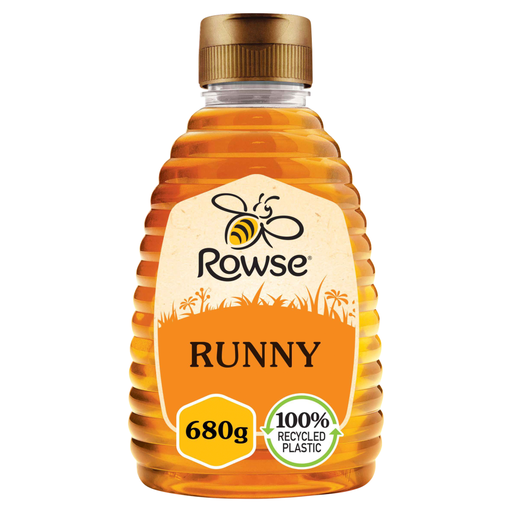
Why This Fits Their Persona: A large 680g bottle suits households wanting pure honey for breakfast, baking, hot drinks and regular cupboard use without selecting a Manuka rating.
It avoids paying extra for an MGO or UMF rating when the main requirement is a convenient natural sweetener.
100% honey; 680g net quantity; suitable for food, drinks, baking and cooking.

Why This Fits Their Persona: This larger jar is aimed at shoppers who specifically want New Zealand monofloral Manuka honey with a clearly stated MGO 250+ rating and raw, unpasteurised format.
The product details identify the monofloral type, MGO level, New Zealand origin and ingredient composition, making comparison more transparent.
500g format; 100% pure monofloral Manuka honey; stated MGO 250+ rating.

Why This Fits Their Persona: A 500g multifloral jar works for adults and families who want a New Zealand honey for toast, yoghurt, smoothies, warm drinks or baking.
It clearly separates a multifloral MGO 70+ product from monofloral varieties, helping shoppers avoid paying for a specification they do not need.
500g quantity; multifloral New Zealand Manuka honey; stated MGO 70+ classification.

Why This Fits Their Persona: The 250g size offers a manageable way to compare MGO 100+ Manuka honey before committing to a larger household jar.
The pack size limits waste if the flavour or texture is not to your preference, while the stated rating supports straightforward product comparison.
250g pack; raw, multifloral format; stated MGO 100+ rating.
We have compiled a complete, real-time list of products that fully satisfy these strict selection criteria and UK safety regulations.
Manuka honey can be used as a spread, stirred into porridge or yoghurt, added to smoothies or incorporated into baking. For warm drinks, allow the liquid to cool slightly before adding raw honey if you want to avoid unnecessary high heat.
Choose 250g when you are trying a new flavour, rating or texture. Choose 500g when the jar will be used regularly by several people. A squeezy bottle may be convenient for controlled dispensing, while a jar can suit spooning, spreading and storage in a cupboard.
It can be used as a food or sweetener by adults and children over 12 months, provided it fits within an overall balanced diet. Check the nutrition panel, as honey is naturally high in sugar. It should not be given to infants under 12 months.
MGO 100+ refers to a stated minimum concentration of 100mg of methylglyoxal per kilogram, according to the product information. It is a grading detail for comparison, not a guarantee of a medical outcome. Check the current label and any certification information before buying.
Keep it tightly sealed in a cool, dry place away from direct sunlight and excessive heat. Natural crystallisation can occur. Follow the storage instructions and best-before information printed on the packaging.