
24/7 Customer Support

Free returns

Same-day & Next-day Delivery

Quality Guaranteed

Unlock Your Welcome Offers: FREE Delivery | Up to 80% OFF | Free 30-day JoyPlus trial
Download the APP
Manuka honey attracts a premium price, but not every jar suits every shopper. Some buyers pay for a high rating they rarely use, while others mistake “raw”, “natural” or “pure” for proof of a particular quality level. Everyday honey can also be overlooked when a convenient squeezy format would better suit family breakfasts and cooking.
Before choosing New Zealand Manuka honey, check three common pitfalls:
MGO, or methylglyoxal, is shown in milligrams per kilogram of honey. For example, an MGO 70+ honey is labelled to contain at least 70mg/kg according to the product information. MGO 250+ and MGO 500+ products sit at higher labelled levels.
UMF is a separate New Zealand certification system. A product labelled UMF 10+ honey should be checked for the official certification details, batch information and packaging marks. MGO and UMF figures should not be treated as interchangeable without consulting the producer’s conversion guidance.
For everyday spreading or sweetening, a lower rating may be sufficient. Shoppers looking for a more distinctive flavour and a higher labelled MGO level may prefer MGO 250+ or above, but the price per 100g should also be compared.
Look for a clear ingredient statement such as 100% pure New Zealand Mānuka honey. Product labels should identify the country of origin, responsible business, best-before information and storage guidance.
A monofloral Manuka honey is generally selected by people who specifically want honey associated mainly with Mānuka nectar. Multifloral Manuka honey includes nectar from Mānuka and other native flowers, often producing a milder or more varied flavour.
Terms such as raw honey and unpasteurised describe processing. They do not mean the honey is calorie-free, sugar-free or suitable for every diet. Raw honey may also crystallise naturally, which is not necessarily a sign of spoilage.
A small jar can be practical for trying a new flavour or rating. Larger sizes reduce the frequency of reordering when honey is used regularly, but only if it will be consumed within the stated shelf-life.
For cooking and breakfast use, consider texture as well as rating. Creamy honey spreads neatly on toast, while a squeezy honey bottle is useful for pancakes, porridge, tea and marinades. Nutritionally, honey remains a source of sugars regardless of whether it is described as a natural honey sweetener or a premium product.
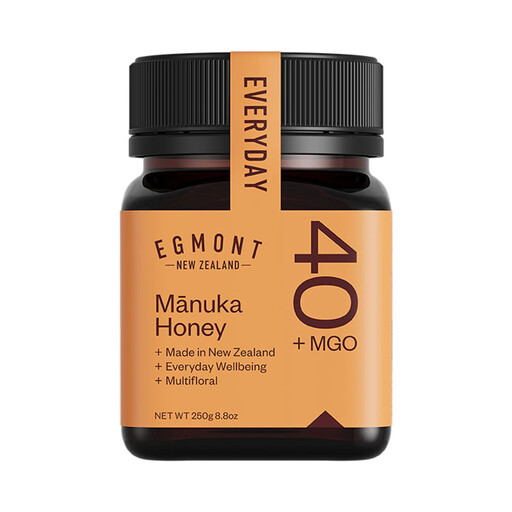
Why This Fits Their Persona: The 250g format offers a manageable way to try New Zealand Manuka honey without committing to a larger jar.
Its listed MGO 40+ level and 100% pure multifloral ingredient statement make the selection easier to compare than vague “premium” wording.
Raw, unpasteurised format; mild floral flavour; suitable for use in warm drinks, smoothies or on breakfast foods.
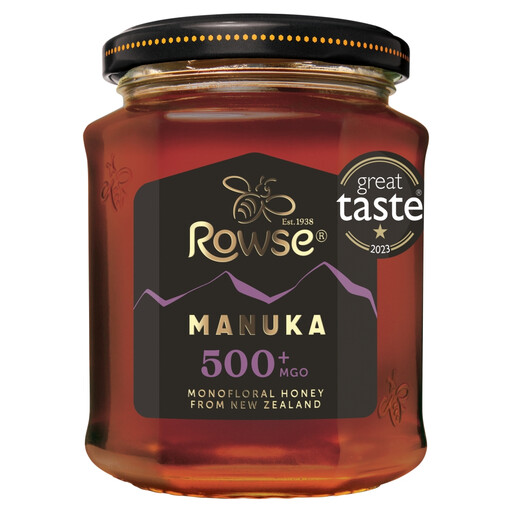
Why This Fits Their Persona: This compact premium option is aimed at shoppers prioritising a high labelled MGO level and single-origin New Zealand sourcing.
The product information states its MGO 500 and UMF 15+ designations, origin and UK packing details, giving buyers specific points to verify on the jar.
100% single-origin Manuka honey; 225g size; suitable for vegetarian shoppers.

Why This Fits Their Persona: A targeted choice for shoppers who want monofloral honey and a higher MGO label for occasional spoonfuls or food pairing.
The listing identifies the monofloral source, MGO 250+ level and 250g size, rather than relying only on general wellness language.
Monofloral New Zealand honey; rich caramel flavour; can be added to yoghurt, smoothies or warm beverages.
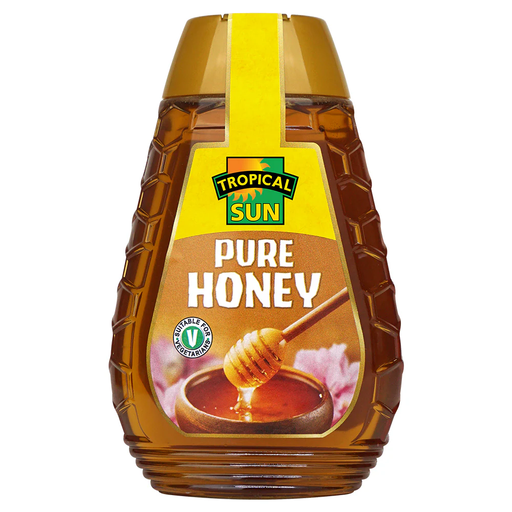
Why This Fits Their Persona: Its bottle format is convenient for UK breakfasts, packed lunches, hot drinks and simple recipes.
The ingredient list states honey at 100%, while the squeezy design addresses the practical problem of sticky jars and imprecise drizzling.
Pure honey; 350g pack; suitable for toast, pancakes, yoghurt, baking and marinades.
Honey should not be given to babies under 12 months because of the risk of infant botulism. This applies to Manuka, raw, multifloral and ordinary honey. Check the label before serving children, particularly where allergies or dietary restrictions are involved.
Honey is high in naturally occurring sugars. Anyone managing diabetes or a strict carbohydrate intake should consider portion size and seek suitable medical advice where necessary. It should not be presented as a treatment or replacement for professional care.
Store an opened jar or bottle in a cool, dry place away from direct sunlight and moisture. Follow the product’s specific instructions. Crystallisation is a natural change in honey; gentle warming may soften it, but avoid overheating, especially when choosing an unpasteurised product.
We have compiled a complete, real-time list of products that fully satisfy these strict selection criteria and UK safety regulations.
It is not suitable for infants under 12 months. For older children, check the product label, consider sugar intake and avoid serving it to anyone with a known honey or bee-product allergy.
MGO is a measurement expressed in milligrams per kilogram. A label such as MGO 70+ or MGO 250+ indicates the stated minimum level for that product according to its certification or product information. It is not a guarantee of a medical outcome.
Honey generally has a long shelf-life when stored correctly, but always follow the best-before date and packaging guidance. Raw honey can crystallise sooner or have a thicker texture; this is a natural characteristic rather than evidence that the product has gone bad.