
24/7 Customer Support

Free returns

Same-day & Next-day Delivery

Quality Guaranteed

Unlock Your Welcome Offers: FREE Delivery | Up to 80% OFF | Free 30-day JoyPlus trial
Download the APP
Navigating the world of Manuka honey can feel unnecessarily complicated. With jars on the shelf ranging from ?15 to over ?100, and labels covered in acronyms like MGO and UMF, it is easy to feel unsure if you are making a wise purchase or simply falling for clever marketing. Many UK shoppers invest in what they believe is a premium product, only to find it lacks the properties they were seeking.
As the Joybuy Product Recommendation Officer, my role is to help you sidestep these common issues. Before you spend a penny, it is crucial to understand two frequent pitfalls:
To ensure you are buying authentic, effective Manuka honey, focus on these three non-negotiable factors.
The MGO rating is the most important factor on the label. It stands for Methylglyoxal, the naturally occurring compound that is primarily responsible for the unique antibacterial properties of Manuka honey. The number indicates the minimum concentration of MGO in milligrams per kilogram.
Another common rating is UMF (Unique Manuka Factor). This is a comprehensive grading system used in New Zealand that also measures MGO levels, alongside other markers, to guarantee purity and quality. A UMF rating provides an extra layer of assurance.
The source of the nectar has a direct impact on the honey's potency and price.
For the honey to retain its natural compounds, it must be raw manuka honey. This means it has not been pasteurised (heat-treated), a process that can destroy the delicate enzymes and beneficial properties. Always look for "raw" or "unpasteurised" on the label.
Furthermore, genuine Manuka honey can only be produced in New Zealand. Look for the FernMark, a trademark licensed by the New Zealand government, which verifies the product is authentically from New Zealand.
Based on these criteria, we have matched a few standout products to different user needs.
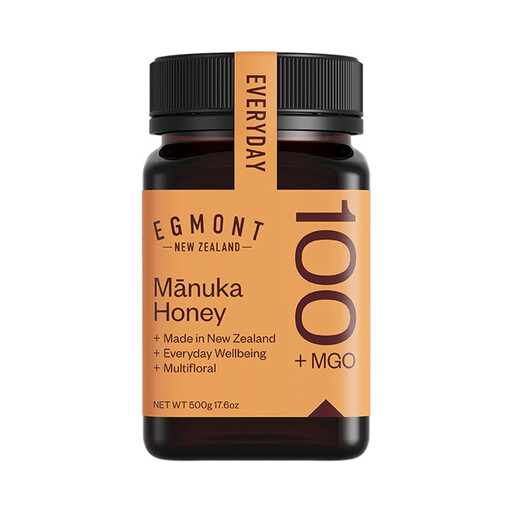
Why This Fits Their Persona: This is a perfect entry point for individuals or families in the UK looking to incorporate Manuka honey into their daily diet for general wellness without a significant financial outlay. The 500g jar offers excellent value for consistent use in tea, on toast or straight from the spoon.
It has a certified MGO 100+ rating, so you know exactly what you are paying for, unlike vague "active" honeys. As a multifloral blend, it provides authentic Manuka benefits at a more accessible price point.
Certified raw New Zealand honey with a reliable MGO rating. The large 500g size makes it a cost-effective choice for daily family use.

Why This Fits Their Persona: For the informed consumer who understands the manuka honey benefits and wants a potent, pure product for consistent wellness support. This is ideal for athletes, busy professionals or anyone wanting to be proactive during seasonal changes.
The label clearly states it is monofloral and has a certified MGO 250+ rating, guaranteeing a high-potency product derived purely from the Manuka plant. This removes any guesswork about its strength and purity.
A high-strength, monofloral honey offering a significant step-up in potency. It is also UMF 10+ certified for added assurance of quality and authenticity.
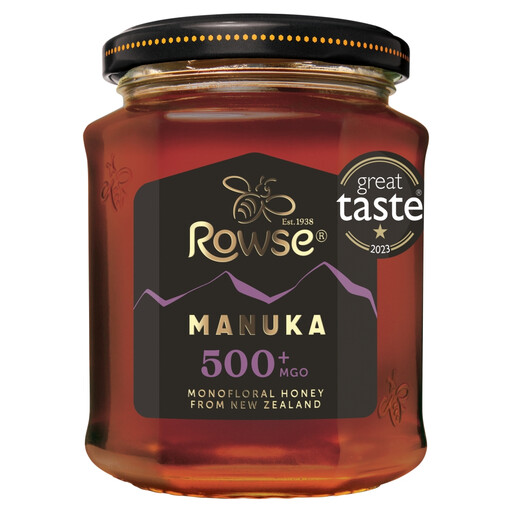
Why This Fits Their Persona: This is for the user who is seeking a very high-strength Manuka honey for targeted, short-term use. They prioritise maximum potency over all other factors and are willing to invest in a product with a powerful MGO rating.
The MGO 500+ rating is unambiguous and represents a very high level of methylglyoxal. This ensures the user is getting the high-potency product they are looking for, without any confusion.
A very high MGO 500+ concentration for potent application. It is a single-origin honey, ensuring traceability and quality.
We have compiled a complete, real-time list of products that fully satisfy these strict selection criteria and UK safety regulations.
For general daily use as a supplement or healthy sweetener, an MGO rating between 70+ and 100+ is an excellent and cost-effective starting point. If you have a specific wellness goal in mind, such as extra support during the winter, you might consider a 250+ MGO honey.
Yes, adding any raw honey to boiling water can degrade its natural enzymes and beneficial compounds, including MGO. To preserve its properties, allow your tea or hot drink to cool to a drinkable temperature before stirring in the honey.
The price reflects several factors. The Manuka bush only flowers for a few weeks a year in remote parts of New Zealand, making harvesting a challenge. Furthermore, every batch of genuine Manuka honey must undergo independent laboratory testing to certify its MGO content and authenticity. These rigorous testing and certification processes, combined with its rarity, contribute to its premium price.