
24/7 Customer Support

Free returns

Same-day & Next-day Delivery

Quality Guaranteed

Unlock Your Welcome Offers: FREE Delivery | Up to 80% OFF | Free 30-day JoyPlus trial
Download the APP
Navigating the world of Manuka honey can feel overwhelming. With jars lining the shelves promising a range of benefits, it is difficult to know which one offers genuine value and which is simply clever marketing. Many UK shoppers find themselves paying a premium for products that don't deliver on their perceived potency. Before you make a purchase, it's crucial to understand the common pitfalls that lead to disappointment and wasted money.
The most frequent traps include:
To make an informed choice, you need to look past the marketing slogans and focus on a few core parameters. These objective markers are the true indicators of a quality Manuka honey.
The single most important factor on a Manuka honey label is its MGO certified honey rating. MGO stands for Methylglyoxal, the naturally occurring compound that is responsible for the unique antibacterial properties associated with Manuka honey. The MGO number (e.g., MGO 100+) indicates the minimum concentration of methylglyoxal in milligrams per kilogram.
A higher MGO number signifies a higher concentration of this compound. Unlike vague terms like "active," the MGO rating is a precise, lab-tested measurement. When you see an MGO certification, you can be confident that the product is authentic New Zealand Manuka honey with a guaranteed level of potency.
The source of the nectar determines the honey's classification and potency.
To get the full benefit, always look for raw Manuka honey. 'Raw' means the honey has not been pasteurised (heat-treated) or heavily filtered. Pasteurisation can degrade the natural enzymes and delicate compounds that contribute to the honey's unique profile. Choosing raw, unpasteurised honey ensures that you are getting the product in its most natural state, just as the bees made it.
Based on these critical quality markers, we have matched a few standout products to different user needs. This approach ensures you are selecting a honey that aligns with your specific wellness goals and budget.

Why This Fits Their Persona: Ideal for individuals or families in the UK looking for a reliable, everyday immune support honey. The large 500g jar offers excellent value for daily use, whether it's stirred into porridge, added to smoothies or simply taken by the spoonful as part of a morning routine.
It has a clear MGO 70+ certification, so you are not paying for a vague "active" claim. It also prevents overspending on a high-potency grade that is not required for general wellness.
A certified MGO rating in a large, cost-effective 500g size. It is a raw, multifloral honey with a creamy texture and rich caramel flavour, making it a versatile kitchen staple.

Why This Fits Their Persona: For those seeking a more potent product for targeted needs, such as soothing a scratchy throat during the winter months or for more focused digestive and immune support. This user understands the value of higher potency and is willing to invest in it.
This is a genuine monofloral Manuka honey, ensuring the higher price is justified by its purity and concentration. The MGO 250+ rating is specific and verified, providing confidence in its potency.
A potent MGO 250+ rating and monofloral source provide a high concentration of active compounds. Its thick, creamy texture is ideal for slowly coating the throat.
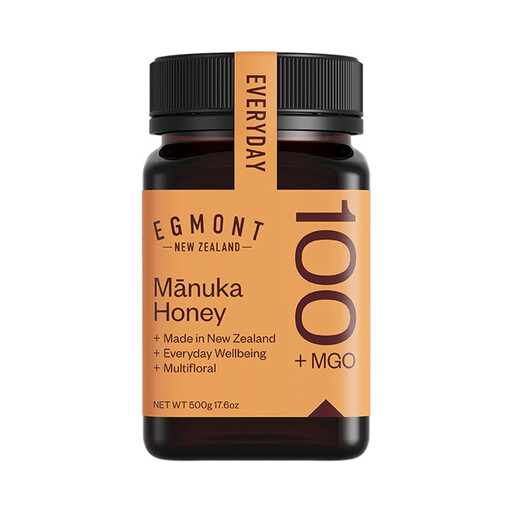
Why This Fits Their Persona: This user wants a balance of noticeable potency and good value. An MGO 100+ honey is a significant step up for daily support, offering a medium-strength option that is still affordable enough for regular family use in a convenient 500g jar.
It provides a certified medium-strength MGO 100+ rating, hitting the sweet spot between entry-level and high-potency options. You get a tangible increase in potency without the premium price of a monofloral product.
A versatile, medium-strength antibacterial honey. The MGO 100+ rating offers a noticeable boost for daily wellness, while the large 500g jar ensures great value for consistent use.
We have compiled a complete, real-time list of products that fully satisfy these strict selection criteria and UK safety regulations.
This depends entirely on your intended use.
It is best to add Manuka honey to warm, not boiling, liquids. Extremely high temperatures can degrade the natural enzymes and beneficial compounds. To preserve its properties, allow your tea or water to cool slightly before stirring in the honey.
Authentic New Zealand Manuka honey will always have a clear MGO or UMF certification on the label. Look for the MGO rating (e.g., MGO 100+) and ensure it states it is a "Product of New Zealand." Reputable brands will have this information clearly displayed, as it is their guarantee of quality and authenticity. Avoid products with vague claims and no certified numbers.