
24/7 Customer Support

Free returns

Same-day & Next-day Delivery

Quality Guaranteed

Unlock Your Welcome Offers: FREE Delivery | Up to 80% OFF | Free 30-day JoyPlus trial
Download the APP
Navigating the world of Manuka honey can feel overwhelming. With labels boasting various numbers and terms, it's easy to feel unsure if you're buying a genuine, high-quality product or just an expensive jar of regular honey. Many UK shoppers find themselves paying a premium for products that don't deliver the properties they're looking for. As the Joybuy Product Recommendation Officer, my role is to help you understand what truly matters, so you can make a confident choice for your wellness routine.
This guide cuts through the marketing jargon. We'll expose the common pitfalls that lead to wasted money and break down the essential factors you must check before adding a jar of Manuka honey to your basket.
Before you spend a penny, be aware of these frequent traps that catch out even savvy shoppers:
To ensure you're getting authentic, high-quality New Zealand honey, focus on these three non-negotiable factors.
This is the most critical factor. Authentic Manuka honey's properties are linked to a compound called Methylglyoxal (MGO). The higher the MGO, the more potent the honey.
Your takeaway: Always look for a specific number next to either MGO or UMF on the label. If it's not there, leave it on the shelf.
As mentioned, this tells you about the honey's purity.
To get the full spectrum of natural compounds, look for honey that is raw and unpasteurised. Pasteurisation involves heating honey to high temperatures, which can degrade the delicate enzymes and beneficial properties you're paying for. Raw manuka honey is only lightly strained to remove debris, preserving its natural state as much as possible.
Based on these strict criteria, we've matched some standout products to different user needs.

Why This Fits Their Persona: This is an excellent starting point for anyone curious about Manuka honey but not ready to commit to a high price tag. It's perfect for replacing standard honey in tea, on porridge or for a gentle daily wellness boost. The large 500g jar offers great value for families.
It features a clear, independently tested MGO 70+ certification, so you avoid the trap of buying a vaguely labelled "active" honey. You get guaranteed authenticity.
Certified MGO rating at an accessible price. It's also a raw manuka honey, preserving its natural enzymes.
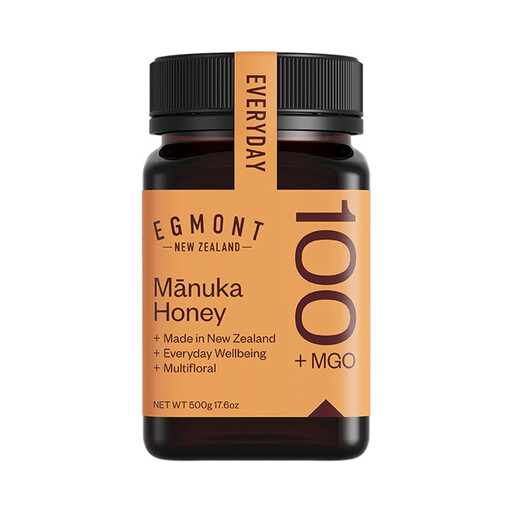
Why This Fits Their Persona: For those wanting to integrate manuka honey for immune support into their daily routine, this is a perfect fit. The MGO 100+ level provides a balanced potency for everyday use, ideal for soothing a scratchy throat or adding to a morning smoothie.
This multifloral honey is priced appropriately for its composition, avoiding the trap of overpaying. The certified MGO 100+ rating ensures you get a reliable, mid-strength product.
A balanced potency for daily family wellness. The large 500g jar is practical and cost-effective for regular consumption.

Why This Fits Their Persona: This user is looking for a high strength manuka honey and understands its value. This product's monofloral status and UMF 10+ certification (equivalent to MGO 265+) guarantee a potent, pure product for targeted wellness support.
It avoids the trap of ambiguity by carrying the official UMF 10+ trademark, a guarantee of authenticity and potency. Its monofloral nature ensures you are getting the pure product you're paying for.
High-potency UMF 10+ rating and monofloral purity. It offers a rich, caramel-toffee flavour characteristic of premium Manuka.
We have compiled a complete, real-time list of products that fully satisfy these strict selection criteria and UK safety regulations.
1. What MGO strength should I start with? For general daily wellness and as a natural sweetener, an MGO rating between 40+ and 100+ is a great starting point. This level, often found in multifloral varieties, offers a good balance of accessibility and beneficial properties. If you have more specific goals or want a more potent product, you might consider strengths of MGO 250+ or higher.
2. Can I put Manuka honey in my hot tea? While you can, it's advisable to let your drink cool slightly before stirring in the honey. Boiling water can degrade some of the natural enzymes and compounds that make raw manuka honey so sought-after. Adding it to warm, rather than boiling, water helps preserve its natural integrity.
3. Why is authentic Manuka honey so expensive? Several factors contribute to the price. True Manuka honey can only be produced in New Zealand, where the Manuka bush grows. Many of these areas are remote and difficult to access, increasing harvesting costs. Furthermore, every batch of genuine MGO honey or UMF honey must undergo independent laboratory testing to certify its potency and authenticity. This rigorous quality control, combined with the limited supply of high-potency honey, is reflected in its premium price.