Runners planning fuel for long sessions
If a run lasts long enough to require a carbohydrate plan, the amount consumed over time matters more than the capacity of one bottle. Practise with the products you intend to use before race day.


A 2-litre bottle is not, by itself, a sound way to choose marathon-training fuel: Tesco’s 2-litre Classic Cola is a caffeinated soft drink, not a sports drink. For prolonged runs, plan carbohydrate intake around the session and check the exact drink’s label; the Joybuy options below are a four-bottle sports-drink pack and a 900 ml bottle, rather than single 2-litre bottles.
If a run lasts long enough to require a carbohydrate plan, the amount consumed over time matters more than the capacity of one bottle. Practise with the products you intend to use before race day.
A family-size soft drink and a drink formulated for sport serve different purposes. Check the product category and nutrition label before treating a 2-litre bottle as training fuel.
Check caffeine per serving and per container when considering an energy drink, particularly if you also consume caffeine from other drinks or foods.
Start with the duration of the run and the amount you plan to drink, then check formulation, bottle format and caffeine on the exact product.
| Priority | What to check | Your needs |
|---|---|---|
| Carbohydrate plan | Read carbohydrate per 100 ml and per intended serving, then work out how much the planned volume would provide. A 2015 sports-nutrition review indexed by PubMed advises 30–60 g per hour for exercise lasting 1–2.5 hours under the conditions it reviews; that range is not a serving instruction for every runner or drink. | For a long session, I want to know what I would consume each hour, rather than choosing the largest container. |
| Drink formulation | Distinguish an everyday energy drink or cola from a sports drink. Lucozade describes its Sport range as isotonic and containing carbohydrates and electrolytes; check the figures on the exact variant you intend to use. | If I want a drink positioned for exercise, I need its ingredients and nutrition information to fit my practised plan—not just a sports-sounding name. |
| Bottle format | Check whether 2 litres means one bottle or several smaller ones. Tesco lists Lucozade Energy Original in a 900 ml bottle and Classic Cola in a 2-litre bottle; the latter is labelled as a caffeinated cola with sugar and sweeteners. | One bottle may be convenient to keep at home, while smaller servings may suit what I plan to carry. The container size must not determine my choice of drink. |
| Caffeine | Read caffeine per serving and per container on the current label, and account for other sources. For pregnancy, NHS guidance advises no more than 200 mg of caffeine a day. | I want to know my total caffeine intake before using an energy drink alongside coffee, tea or other caffeinated products. |
Tesco’s 2-litre Classic Cola is a caffeinated soft drink. Its size does not establish that it has the formulation you want for a training session.
Decide what you plan to drink and consume during the run, then compare products using their current nutrition labels and intended use.
Tesco lists carbohydrate and caffeine in Lucozade Energy Original, but a drink’s carbohydrate content alone does not settle how much to consume or what else to carry.
Plan intake by hour and practise it in training. Check the exact bottle rather than introducing an unfamiliar drink on race day.
Caffeine intake can include more than one product. In July 2026, England’s Department of Health and Social Care announced an intended ban on sales of high-caffeine energy drinks to under-16s from April 2027, subject to Parliamentary approval; that announcement is not a UK-wide rule already in force.
Check the current caffeine label and any age guidance relevant to where you shop. During pregnancy, NHS guidance advises no more than 200 mg of caffeine a day from all sources.
These examples help distinguish drink types and pack formats; a brand name alone does not establish a product’s suitability for a run.
Lucozade Energy and Lucozade Sport are different ranges. Tesco lists Energy Original as a 900 ml bottle, while Lucozade describes Sport as an isotonic drink containing carbohydrates and electrolytes.
Tesco lists Red Bull in 250 ml energy-drink formats, including a multipack.
Tesco lists Monster in 500 ml energy-drink formats, including a multipack.
Tesco lists Relentless Origin as a pack of four 500 ml energy drinks.
Tesco Classic Cola provides a useful bottle-size comparison: its product listing describes a 2-litre caffeinated cola with sugar and sweeteners.
These options offer a sports-drink multipack and a 900 ml drink for comparing formats with your training plan. Neither is a single 2-litre energy-drink bottle.
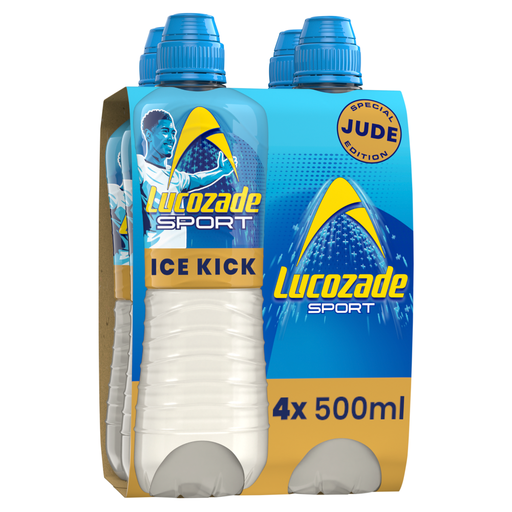 No image available
Four 500 ml bottles add up to 2 litres, but this is a multipack rather than one large bottle. Check the current label’s carbohydrate information for the amount you plan to drink, and practise that amount in training.
The product listing warns that it contains a source of phenylalanine and is not suitable for people with phenylketonuria. If monitoring caffeine, check the current pack label.
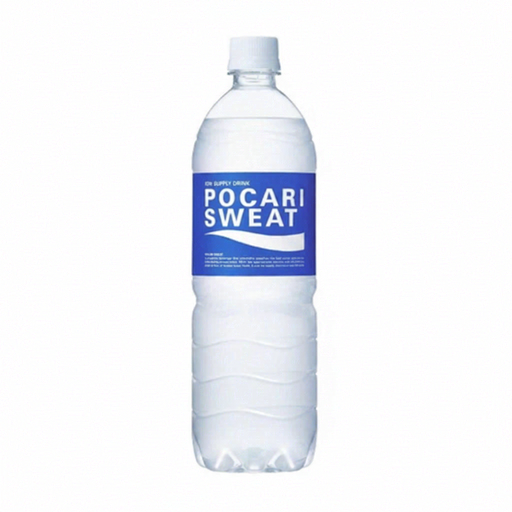 No image available
This 900 ml bottle is another format to consider if you are planning drinks for training, rather than shopping for one 2-litre bottle. Check its current carbohydrate and sodium figures against the amount you expect to drink.
If monitoring caffeine, check the current pack label before including it in your plan.
No. Tesco labels its 2-litre Classic Cola as a caffeinated soft drink with sugar and sweeteners; Lucozade describes its Sport range separately as isotonic drinks containing carbohydrates and electrolytes. Compare the exact products’ labels rather than treating bottle size as proof of the same formulation.
Use the duration and intensity of the session to plan what you will consume, then check carbohydrate per serving on the chosen product. A 2015 sports-nutrition review indexed by PubMed advises 30–60 g per hour for exercise lasting 1–2.5 hours under the conditions it reviews. It discusses up to 90 g per hour for well-trained endurance athletes exercising at high intensity for more than 2.5 hours when glucose and fructose are combined; neither figure is a reason to try an unfamiliar drink on race day.
Do not assume one rule applies across all four UK nations. In July 2026, England’s Department of Health and Social Care announced an intended ban on sales of high-caffeine energy drinks to under-16s from April 2027, subject to Parliamentary approval. Check the current position in the nation where the purchase would take place.
NHS guidance advises no more than 200 mg of caffeine a day during pregnancy and identifies energy drinks as one possible source. Check caffeine from the whole day’s foods and drinks, not just the bottle you are considering.