What should you check?
Decide whether the drink needs to contribute fuel, provide optional caffeine, or simply suit another occasion; then compare the full serving you expect to use.
| Priority | What to check | Your needs |
|---|
| Carbohydrate |
Read carbohydrate per 100 ml and for the amount you plan to drink. The UK Sports Institute says carbohydrate needs increase as exercise gets longer and more intense. |
For a long session, I want to know whether my drink contributes to my carbohydrate plan rather than choosing it because the label says ‘energy’. |
| Electrolytes and fluid |
Check the declared salt or sodium and the container size. Compare those details with the other drinks and fuel you plan to carry. |
I want a serving and bottle format that work with how I will drink and carry fluids during training. |
| Caffeine |
Compare milligrams per whole can, not just per 100 ml. Red Bull UK lists 80 mg in a 250 ml Sugarfree can; Monster Energy UK lists 150 mg in a 500 ml Monster Ultra can. |
If I choose caffeine, I need to account for coffee, gels and other caffeinated products too, and use an amount I have tried in training. |
| Zero sugar |
Check both sugars and total carbohydrate. A zero-sugar name does not tell you how the drink fits your entire fuelling plan. |
I may want a zero-sugar drink on one occasion, but I would arrange carbohydrate separately when the session calls for it. |
| Suitability |
Read pack warnings, ingredients and serving information, particularly when choosing a caffeinated drink or changing products. |
I want to test the exact drink and serving in training, rather than discovering on race day that its taste or format does not suit me. |
Brand and retailer references
These references help distinguish drink types; a brand name alone does not establish how a particular flavour or serving fits your training plan.
Lucozade Sport
A sports-drink range to assess when you want carbohydrate from a drink.
- The Joybuy listing for Lemon & Lime 4 × 500 ml describes carbohydrate and electrolytes for sustained exercise.
- Check the nutrition and ingredients of the particular flavour you buy, and try your planned serving in training.
Red Bull
Sugarfree is a zero-sugar energy-drink option when caffeine, rather than drink-based carbohydrate, is the aim.
- Red Bull UK lists 80 mg caffeine per 250 ml Sugarfree can.
- Do not count a Sugarfree can as the carbohydrate contribution to a long-run fuelling plan.
Monster
Monster Ultra is another zero-sugar energy-drink option, with a different listed can size and caffeine amount.
- Monster Energy UK lists 150 mg caffeine and 0 g sugar in a 500 ml Monster Ultra can.
- Assess the caffeine in the whole can alongside other sources; zero sugar does not make it a substitute for planned carbohydrate fuel.
Relentless
A conventional energy-drink range; Tesco lists Relentless Origin in its energy-drink category.
- Check the particular product's carbohydrate, caffeine and serving information before deciding whether it fits your session.
Tesco
A retailer where shoppers can compare regular and sugar-free drinks, rather than a single drink formulation.
- Its product listings provide a place to compare nutrition and caffeine information for individual drinks.
- Use the details for the exact product and pack size, not the retailer category, to plan a serving.
Joybuy drink options
These options include sports and electrolyte drinks to assess for drink-based fuelling, followed by a zero-sugar energy drink to assess separately for optional caffeine.
 No image available
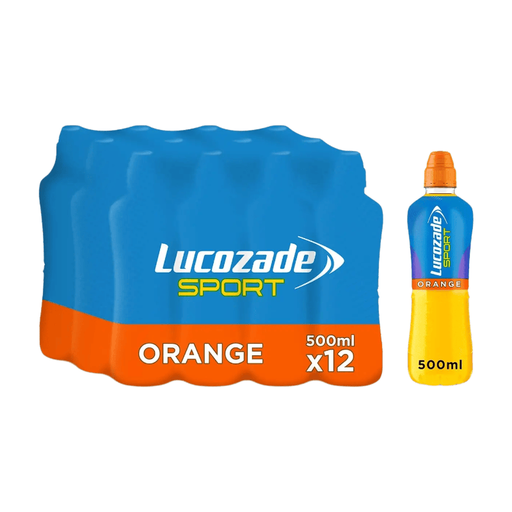
Lucozade Sport Orange 12 × 500 ml
For drink-based long-run fuelling, check the Orange flavour's carbohydrate, salt and ingredients against your planned serving. This pack contains 12 × 500 ml bottles; try the drink in training before relying on it for a race.
View on Joybuy
 No image available
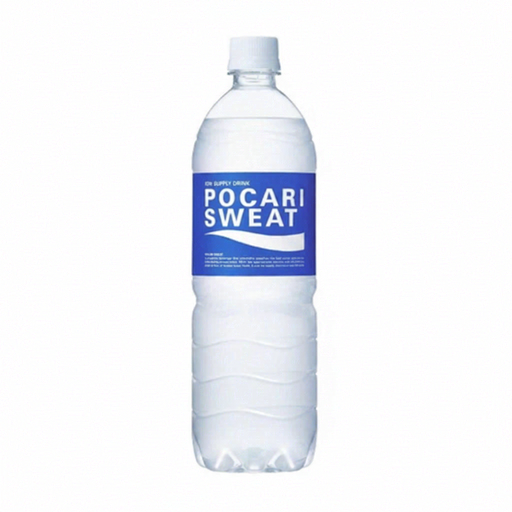
Pocari Sweat Drink 900 ml
If you want a drink to contribute to your long-run fuel, check the carbohydrate and sodium information for the amount you plan to drink. Consider how the 900 ml bottle fits your carrying and serving arrangements.
View on Joybuy
 No image available
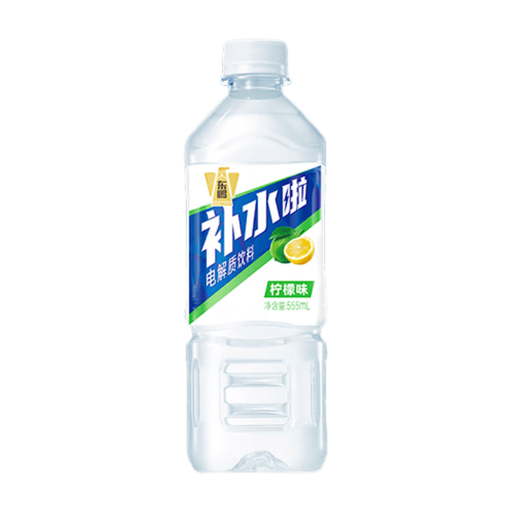
DP Lemon Electrolyte Drink with Sweetener 555 ml
For a ready-to-drink option, compare the pack's carbohydrate and salt information with your training plan. If the sweetener or other ingredients matter to you, confirm them on the physical pack; try the serving in training.
View on Joybuy
 No image available
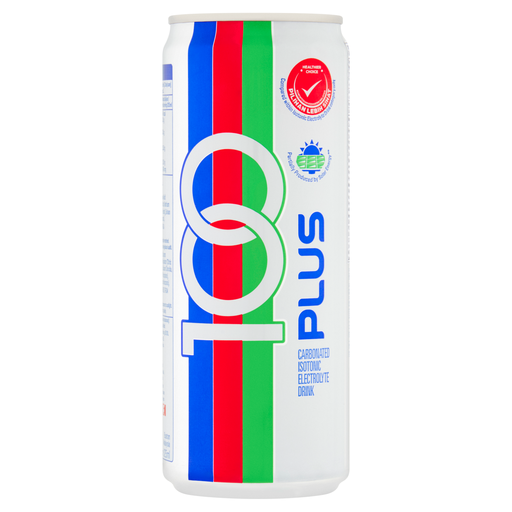
F&N 100 Plus Malaysian Carbonated Isotonic Drink 325 ml
The 325 ml carbonated format offers a distinct serving to consider for a run. Check its carbohydrate and salt panel, and try the carbonation during training before choosing it for a race.
View on Joybuy
 No image available
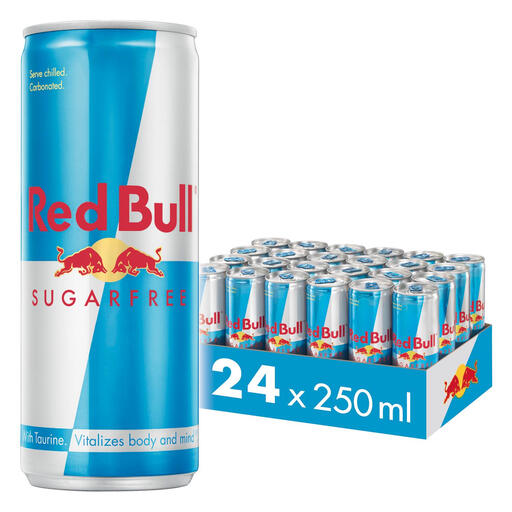
Red Bull Sugarfree Energy Drink 250 ml, 24-pack
This is an optional caffeine choice for an adult, not the drink-based carbohydrate part of a long-run plan. Red Bull UK lists 80 mg caffeine per 250 ml can; account for other caffeine sources and try the serving in training.
View on Joybuy
Questions about training drinks
Is a zero-sugar energy drink enough fuel for a long run?
Do not rely on its zero-sugar label as a source of carbohydrate fuel. The UK Sports Institute notes that carbohydrate needs rise with exercise duration and intensity, so check how your chosen drinks and other foods contribute to the fuelling plan you have tried in training.
How should I compare caffeine in different-sized cans?
Compare milligrams in the whole can and count other caffeine sources. Red Bull UK lists 80 mg in a 250 ml Sugarfree can, while Monster Energy UK lists 150 mg in a 500 ml Monster Ultra can; try the amount you intend to use in training.
Should I try a new energy drink on race day?
Try the product and planned serving during training instead. International Olympic Committee guidance advises trialling performance-oriented supplements before competition; practising your drink alongside your other fuel also lets you assess its taste and format.
What if I am pregnant or could be pregnant?
NHS guidance says not to have more than 200 mg caffeine a day during pregnancy. Count caffeine from all foods, drinks and supplements rather than assessing an energy drink on its own.
Is there an under-16 energy-drink sales ban across the UK?
No UK-wide ban should be assumed. In July 2026, the Department of Health and Social Care announced a planned ban on sales of high-caffeine energy drinks to under-16s in England from April 2027. Check the current rules where you are buying rather than treating that future England-specific measure as already in force.


