What to check before buying
Plan for the run first, then decide whether a fizzy drink has a separate place as an occasional drink. Compare the exact formulation and pack, not just the brand or bottle shape.
| Priority | What to check | Your needs |
|---|
| Fluids for the run |
Consider the session's duration and intensity, the weather and your individual circumstances when planning fluids. Better Health Channel identifies these as factors affecting water needs. |
For a long or demanding run, I need a fluid plan matched to the session, not just a drink I like. |
| Carbohydrate contribution |
Read carbohydrate per 100ml on the current label, then check the bottle volume before working out its contribution. Coca-Cola GB lists 10.6g per 100ml for Coca-Cola Original Taste; Pepsi UK lists 4.6g for Pepsi, and 0g is listed for Sprite Zero by Coca-Cola GB. |
If I'm counting carbohydrate, I need the amount in this particular drink and serving. A zero-carbohydrate version cannot provide carbohydrate fuel. |
| Sugar and acidity |
Check sugars per 100ml and consider how often you would sip the drink. The NHS advises adults to limit free sugars; NHS dental guidance says even diet fizzy drinks are acidic and can wear away enamel. |
I'd rather keep a fizzy drink separate from an all-session sipping routine, including when I choose a zero-sugar version. |
| Glass packaging |
Confirm that the exact pack uses glass and check its bottle size. Your Coca-Cola UK lists Fanta Orange as 24 individual 330ml glass bottles; a brand name alone does not identify the packaging of every product. |
For a drink away from the run, I want to know the pack format before ordering. If I plan to take glass to an event, I'll check that organiser's rules first. |
Brand references for comparing drinks
These label and packaging examples help distinguish products; they do not establish that a fizzy drink meets an individual runner's fuelling or fluid needs.
Coca-Cola
Coca-Cola GB lists 10.6g carbohydrate and 10.6g sugars per 100ml for Coca-Cola Original Taste.
- The label gives a specific carbohydrate figure for calculating a serving's contribution.
- Its sugar and carbohydrate figures apply to Original Taste, not every Coca-Cola variant; the drink is not a complete run-fuelling plan.
Pepsi
Pepsi UK lists 4.6g carbohydrate and 4.5g sugars per 100ml for Pepsi.
- The listed carbohydrate figure helps distinguish this formulation from Coca-Cola Original Taste when comparing the same volume.
- Check the exact Pepsi product and serving size; a cola label alone does not set a hydration plan.
Sprite
For Sprite Zero, Coca-Cola GB lists 0g carbohydrate and 0g sugars per 100ml.
- The zero-carbohydrate label makes clear that this version is not a carbohydrate source.
- NHS dental guidance says sugar-free fizzy drinks can still be acidic.
Fanta
Coca-Cola GB lists Fanta Orange as caffeine free, with 4.5g carbohydrate and 4.5g sugars per 100ml.
- Your Coca-Cola UK lists a Fanta Orange pack of 24 individual 330ml glass bottles.
- Confirm the current pack and label before ordering; glass packaging does not make the drink a primary marathon-fuelling option.
Dr Pepper
Coca-Cola GB lists 4.3g carbohydrate and 4.3g sugars per 100ml for regular Dr Pepper, versus 0g of each for Dr Pepper Zero.
- The two labels distinguish a carbohydrate-containing version from one that supplies none.
- Choose by the exact variant; neither label determines the fluids needed for a run.
Tesco
Tesco Groceries lists branded regular and zero-sugar drinks in its fizzy-drinks categories.
- Product listings offer a starting point for checking a specific drink and pack.
- A category listing does not establish that a particular product comes in glass; inspect the individual product details.
Glass-bottle options on Joybuy
These orange-flavoured fizzy drinks are glass-bottle options to consider for occasional enjoyment away from a run, not a selection of primary marathon fuels. Check each current bottle's nutrition panel if carbohydrate or sugar content matters to your choice.
 No image available
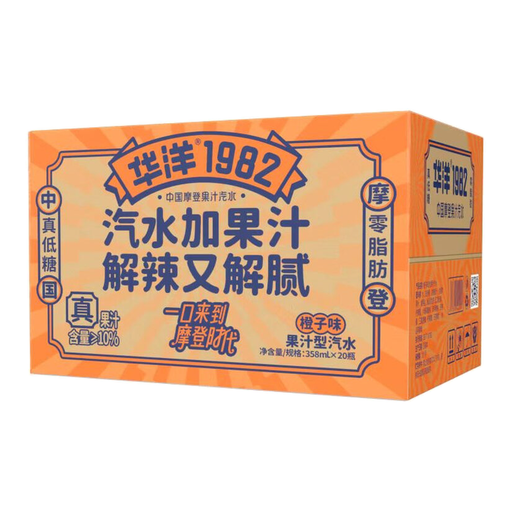
Huayang Orange-Flavoured Carbonated Mixed Fruit Juice Drink, 20 × 358ml glass bottles
A glass-bottle fizzy drink for occasional use away from a run; its named pack contains 20 bottles of 358ml. Check the bottle's current nutrition panel before counting it towards any carbohydrate intake.
View on Joybuy
 No image available
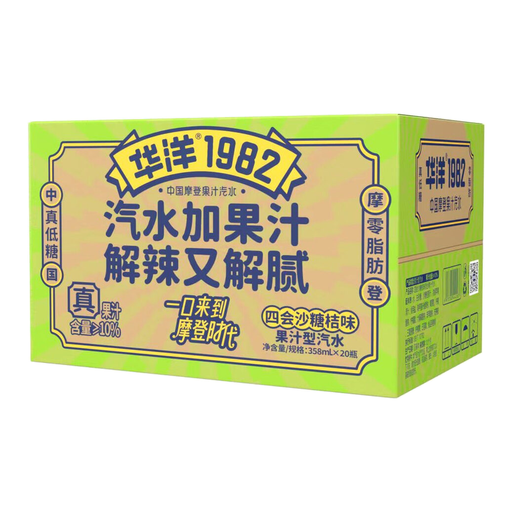
Huayang Sizhou Sugar Orange-Flavoured Mixed Fruit Soda, 20 × 358ml glass bottles
A glass-bottle soda to consider as an occasional drink away from training; its named pack contains 20 bottles of 358ml. Read the current nutrition panel before calculating carbohydrate or sugar from a bottle.
View on Joybuy
Common questions
Can a glass-bottle fizzy drink be my main drink on a marathon training run?
Do not use the bottle format as your hydration plan. Better Health Channel notes that water needs depend on factors including exercise duration, intensity and climate; plan and try out food and fluids for your training sessions rather than relying on a fizzy-drink label to determine what you need.
Does regular cola contribute carbohydrate?
Yes, but the amount depends on the formulation and volume. Coca-Cola GB lists 10.6g carbohydrate per 100ml for Coca-Cola Original Taste, while Pepsi UK lists 4.6g per 100ml for Pepsi. Read the current label before using either figure in a calculation.
Can a zero-sugar fizzy drink provide carbohydrate fuel?
Not when its label lists 0g carbohydrate. Coca-Cola GB gives that figure per 100ml for Sprite Zero and Dr Pepper Zero, so plan a separate carbohydrate source if your session requires one.
Which fizzy-drink pack is listed in glass bottles?
Your Coca-Cola UK lists Fanta Orange as a pack of 24 individual 330ml glass bottles. Confirm the packaging on the current product listing before ordering; another format of the same drink need not use glass.
Does choosing sugar-free fizzy drink remove the dental concern?
No. NHS dental guidance says fizzy drinks are acidic and that even diet versions can wear away enamel, so consider how often you sip them as well as what the sugar label says.


