Runners planning long-run fuel
If the product is meant to fuel a long run or race, check its carbohydrate amount per serving and practise using it in training. A claim about sugar alone does not tell you how it fits your plan.


Do not rely on sugar-free or no-added-sugar white chocolate as your main fuel during a marathon or long training run. Choose a familiar carbohydrate-focused option whose labelled amount fits your fuelling plan; treat white chocolate as a separate food choice, and check its sugars, sweeteners and allergens before buying.
If the product is meant to fuel a long run or race, check its carbohydrate amount per serving and practise using it in training. A claim about sugar alone does not tell you how it fits your plan.
White chocolate with no added sugar may fit a preference for an occasional treat away from key runs. Compare the declared sugars, other carbohydrates, sweeteners and allergens rather than treating it as running fuel.
Check sweeteners and pack warnings before choosing a chocolate or coated bar. The Pod Chocolates warns that excessive consumption of its bar may cause laxative effects, making an untried portion a poor choice immediately before a run.
Decide first whether you are buying fuel for a run or chocolate to eat at another time. Then compare the label with that purpose.
| Priority | What to check | Your needs |
|---|---|---|
| Carbohydrate for the run | Read carbohydrate grams per serving and work out how servings fit the planned hour. A 2015 review indexed by PubMed advises 30–60 g carbohydrate per hour for exercise lasting 1–2.5 hours; that range is not a claim about any particular product. | I want to know what each serving contributes to my fuelling plan, rather than judging it by a sugar-free claim. |
| Familiarity and tolerance | Check the format, ingredients, sweeteners and any laxative-effect warning. Sports Dietitians Australia advises choosing familiar, well-tolerated food before exercise. | For a long run or race, I would rather use a product and portion I have already tried in training. |
| Sugar wording | Read the precise claim alongside sugars and carbohydrate on the nutrition panel. “No added sugar” does not mean that a product contains no naturally occurring sugars. | I may choose no-added-sugar chocolate as a treat, but I do not want to mistake that preference for a fuelling strategy. |
| Ingredients and allergens | Check the exact pack for milk, soya, peanuts, possible nut traces and other relevant declarations. Review them again if you switch products or flavours. | Before buying repeatedly for training, I need to know whether the particular product's ingredients suit me. |
A sugar claim does not establish how much carbohydrate a serving contributes during a run. The 2015 review indexed by PubMed expresses its guidance for 1–2.5 hours of exercise in carbohydrate grams per hour.
Plan from the carbohydrate declaration and practise with the product and quantity you intend to use.
A product described as having no added sugar can still contain naturally occurring sugars, so the front-of-pack wording cannot replace the nutrition panel.
Compare the sugars and total carbohydrate declarations per 100 g and per serving for the exact chocolate you are considering.
The Pod Chocolates warns that excessive consumption of its white-chocolate bar may cause laxative effects. Product tolerance matters when choosing food around a run.
If you intend to eat a particular product around training, try the exact portion on a less important day rather than introducing it at a race.
White-chocolate and coated-bar recipes differ. An ingredient or allergen declaration for one product or flavour cannot stand in for another.
Read the current pack before buying or eating it, particularly when changing flavour, size or product line.
These examples show why a no-added-sugar chocolate, baking chips and a coated protein bar need different label checks; none should be assumed to meet a during-run fuelling plan.
Diablo has a 75 g no-added-sugar white-chocolate bar listed by Tesco Marketplace.
The Pod Chocolates offers a white-chocolate bar for shoppers comparing sugar-related claims.
Groovy Keto offers no-added-sugar white-chocolate chips intended for uses such as baking.
Fulfil has a white-chocolate-coated peanut and caramel protein bar listed in Tesco's sports-nutrition range.
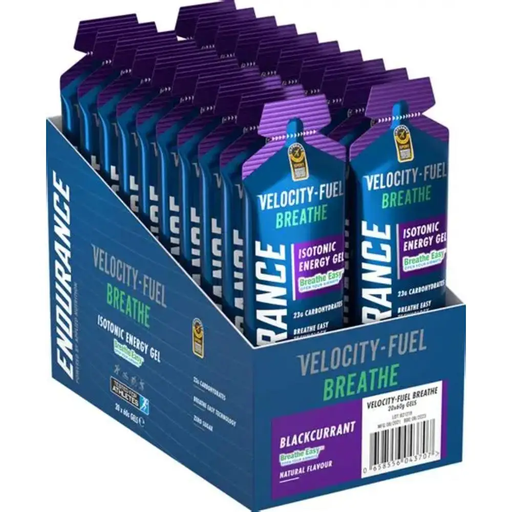
This gel represents the carbohydrate-focused option for a planned run, not a sugar-free white-chocolate choice. Check its pack declaration against your fuelling plan and try it in training.
 No image available
For planned during-run carbohydrate, compare the pack's per-sachet declaration with your hourly intake and try the gel in training. The listed pack contains 20 sachets of 60 g each.
Do not choose it on the strength of a sugar-free claim. A 2015 review indexed by PubMed advises 30–60 g carbohydrate per hour for exercise lasting 1–2.5 hours; choose and practise with products whose declared carbohydrate amounts fit your plan.
No. Naturally occurring sugars may remain in a no-added-sugar product. Read sugars and total carbohydrate on the nutrition panel, as well as the ingredients, before deciding what a serving contributes.
The Pod Chocolates warns that excessive consumption of its bar may cause laxative effects. Check the sweeteners and warning on the product you choose, and do not make a race your first occasion to try it.
Not automatically. Compare its per-serving carbohydrate and protein declarations with what else you plan to eat and drink, and check its ingredients and polyols. The Fulfil bar listed by Tesco contains 13.3 g polyols per 55 g bar.
Check the exact product's ingredients, nutrition information per 100 g and per serving, sweeteners, allergens and any consumption warnings. Repeat the check when changing products or flavours rather than relying on a similar-looking pack.