For a portable carbohydrate option during long-run practice, a jelly sweet with clearly labelled carbohydrate content is a more direct choice than a dark-chocolate snack; test the portion, timing and accompanying drink in training. The named dark-chocolate and almond date bar has more fat and less carbohydrate per 100g than the named jelly products, but those figures do not describe every dark snack. A sports drink or gel may fit a plan that calls for measured intake with fluids.
Who is this choice for?
Marathon trainees testing portable fuel
Long training runs offer a chance to practise carrying, portioning and eating a chewable carbohydrate food before relying on it for an event. A 2019 review in the International Journal of Sport Nutrition and Exercise Metabolism emphasises a practised plan that accounts for fluids and gut discomfort.
Runners comparing jelly sweets with dark snacks
If the immediate aim is a low-fat carbohydrate option, compare the nutrition panels rather than treating a dark-chocolate snack as another kind of jelly sweet. The named M&S products have different carbohydrate and fat values per 100g.
Vegetarian and ingredient-sensitive runners
Fruit flavours do not establish dietary suitability. The named products include jelly sweets made with gelatine or pectin and a dark-chocolate snack containing almonds, so check the exact pack before use.
What should you check before buying?
Jelly sweets
Consider when: You want to practise carrying and portioning an ordinary carbohydrate confectionery item on a long run.
Bear in mind: Sweets do not replace a fluid plan, and their ingredients, texture and individual tolerance matter.
Dark-chocolate snacks
Consider when: You want a snack for another part of the day and its ingredients suit you.
Bear in mind: The named M&S dark-chocolate and almond date bar is not nutritionally interchangeable with the named low-fat jelly sweets.
Sports drinks or gels
Consider when: Your practised plan calls for a measured carbohydrate intake alongside fluids.
Bear in mind: A purpose-made product still needs to be tested for individual tolerance before race day.
Start with the amount and format you intend to use, then check the current label and practise that choice on training runs.
| Priority | What to check | Your needs |
|---|
| Carbohydrate and portions |
Read carbohydrate per 100g or per stated serving. Work out the amount in the portion you plan to carry; do not assume every sweet supplies the same amount. |
I want to know how much carbohydrate my planned portion provides, rather than relying on a handful measured by eye. |
| Snack type |
Compare carbohydrate and fat on the same per-100g basis. Marks & Spencer lists 86.9g carbohydrate and 0.8g fat for M&S Fruit Jellies, against 53.0g carbohydrate and 20.0g fat for its dark-chocolate and almond date bar. |
If low-fat carbohydrate confectionery is my immediate aim, I need to distinguish a jelly sweet from a chocolate-based snack. These figures apply to the named products, not every dark chocolate. |
| Ingredients |
Check the exact pack for gelatine, nuts and dietary labelling. The HARIBO Tangfastics ingredients list includes gelatine; Marks & Spencer labels M&S Fruit Jellies vegan and lists pectin. |
A fruit flavour alone will not tell me whether a sweet meets my dietary requirements. |
| Training-run practice |
Try the intended food, portion, timing and drink during training. A 2019 distance-running nutrition review in the International Journal of Sport Nutrition and Exercise Metabolism highlights the need to balance carbohydrate and fluids against practical opportunities and gut discomfort. |
Before an event, I want to know whether I can carry and eat the chosen portion comfortably while running. |
| Sugar frequency |
Consider how often sweets are eaten outside planned fuelling. NHS guidance advises keeping the frequency and amount of sugary foods and drinks as low as possible. |
I want to keep a planned long-run fuelling choice distinct from grazing on sweets throughout the day. |
What can make the choice harder?
-
Using “dark” as a shortcut for fuelling suitability
Dark chocolate is not a jelly-sweet variety. Marks & Spencer lists 53.0g carbohydrate and 20.0g fat per 100g for its dark-chocolate and almond date bar, compared with 86.9g carbohydrate and 0.8g fat for M&S Fruit Jellies.
Compare the current nutrition panels on the same per-100g basis, then choose according to when and why you intend to eat the product.
-
Leaving the first trial until race day
A portable sweet is only useful in a running plan if its portion and format work for the individual. The 2019 distance-running nutrition review in the International Journal of Sport Nutrition and Exercise Metabolism identifies gut discomfort as a consideration when planning carbohydrate and fluid intake.
Practise with the exact sweet, portion, timing and accompanying drink during training.
-
Assuming fruit-flavoured means vegan
HARIBO lists gelatine in Tangfastics, while Marks & Spencer lists beef gelatine in its Jelly Babies. M&S Fruit Jellies are labelled vegan and list pectin.
Read the ingredients and dietary label on the current pack, particularly when changing products or pack variants.
-
Turning planned fuelling into frequent snacking
NHS guidance identifies sweets and chocolate as sources of free sugars and advises keeping the frequency and amount of sugary foods and drinks as low as possible.
Keep the purpose of a training-run portion clear rather than extending it into all-day grazing.
Relevant brand references
These named products illustrate label differences; a brand name alone does not establish the nutrition or ingredients of another pack.
HARIBO
Tangfastics are fizzy jelly sweets for runners considering a sour, chewable format.
- HARIBO UK lists 80g carbohydrate and less than 0.5g fat per 100g for Tangfastics.
- Its ingredients include gelatine. Test whether the sour format suits you during a training run.
M&S
Its named jelly sweets and dark-chocolate date bar provide a product-specific comparison between the two snack types.
- Marks & Spencer labels M&S Fruit Jellies vegan and lists 86.9g carbohydrate and 0.8g fat per 100g.
- M&S Jelly Babies contain beef gelatine. Its dark-chocolate and almond date bar contains almonds and has a different carbohydrate-and-fat profile from the named jellies.
Rowntree's
Tesco Groceries lists Rowntree's Jelly Tots Sharing Bag 150g among its jelly and chewy sweets.
- Jelly Tots are a named product to consider when comparing jelly-sweet formats.
- Check nutrition and ingredients on the particular pack rather than applying figures from another Rowntree's sweet.
Jelly sweets on Joybuy
These jelly-sweet options relate to practising portable confectionery portions on training runs. Compare their current pack labels and ingredients against your planned portion; they are not a comparison of dark-chocolate snacks or sports gels.
 No image available
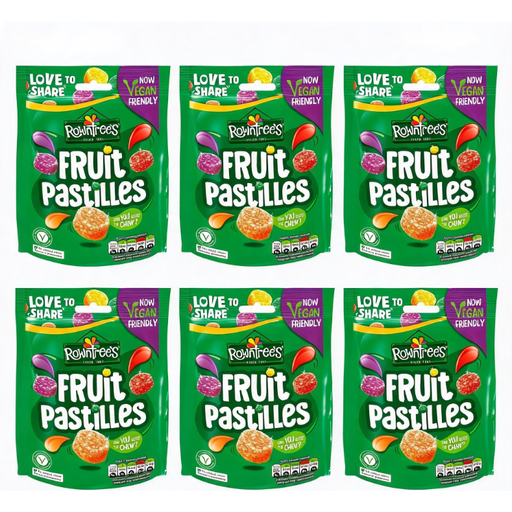
Rowntree's Fruit Pastilles Vegan 143g x 6pcs
A vegan-labelled fruit pastille option to consider if ingredients are a deciding factor. Check the current pack for carbohydrate per portion and practise the portion and timing you intend to use on a run.
View on Joybuy
 No image available
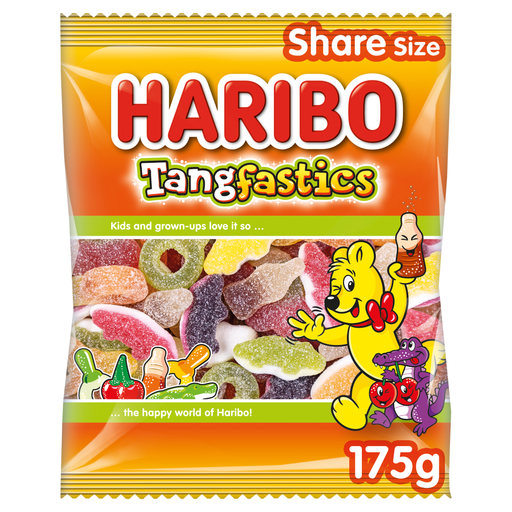
HARIBO Tangfastics Fruit & Cola Fizzy Jelly Sweets 175g
A fizzy, sour jelly-sweet option for testing a portable portion on training runs. The HARIBO UK Tangfastics information lists 80g carbohydrate and less than 0.5g fat per 100g; the ingredients include gelatine. Check the current pack and practise the exact portion rather than assuming the sour format will suit you while running.
View on Joybuy
Frequently asked questions
Can jelly sweets replace sports gels during a marathon?
Not automatically. Jelly sweets supply carbohydrate, but the intended portion, fluids and individual tolerance all matter. A 2019 review in the International Journal of Sport Nutrition and Exercise Metabolism recommends a personalised, practised approach to distance-running nutrition; test either format during training rather than first using it on race day.
Is dark chocolate a better choice than jelly sweets for carbohydrate during a run?
Not on the nutrition figures for these named examples when low-fat carbohydrate confectionery is the aim. Marks & Spencer lists 86.9g carbohydrate and 0.8g fat per 100g for M&S Fruit Jellies, versus 53.0g carbohydrate and 20.0g fat for its dark-chocolate and almond date bar. Check other products individually rather than extending that comparison to all dark chocolate.
Which of the named jelly sweets are vegan-labelled?
Marks & Spencer labels M&S Fruit Jellies vegan and lists pectin as the gelling agent. HARIBO Tangfastics list gelatine, while M&S Jelly Babies list beef gelatine. Check the exact current pack before buying for someone with dietary requirements.
Should I consider sugar frequency if I use sweets on long runs?
Yes. NHS guidance identifies sweets and chocolate as sources of free sugars and advises keeping the frequency and amount of sugary foods and drinks as low as possible. Consider a planned training-run portion separately from eating sweets repeatedly throughout the day.


