Brand and product references
These labelled products illustrate differences between sparkling mixers; the brand references do not establish that a mixer is suitable as a complete marathon-fuelling drink.
Fever-Tree
Its tonic range includes light and other tonic variants. Fever-Tree lists sugar and quinine among the ingredients of Premium Indian Tonic Water.
- A Joybuy listing for Fever-Tree Refreshingly Light Premium Indian Tonic Water gives 3.8 g carbohydrate and 0.02 g salt per 100 ml.
- Those figures belong to that light variant; check the exact pack rather than applying them to other Fever-Tree tonics.
Fentimans
Fentimans lists fructose, quinine, botanical extracts and stevia among the ingredients of its Premium Indian Tonic Water.
- Fentimans labels that tonic at 4.4 g carbohydrate and 4.4 g sugars per 100 ml.
- A carbohydrate figure for one tonic does not establish the sodium or hourly delivery of a complete fuelling plan.
Schweppes
The range includes soda water as well as tonic products, so the exact variant matters.
- Coca-Cola Great Britain lists Schweppes Soda Water at 0 g carbohydrate, 0 g sugars and 0.05 g salt per 100 ml.
- Those soda-water values do not describe Schweppes tonic variants, and soda water supplies no carbohydrate fuel.
Tonic waters on Joybuy
These tonic waters are options when you want a sparkling serve around training. Check the exact variant before counting any of them towards a marathon fuelling plan.
 No image available
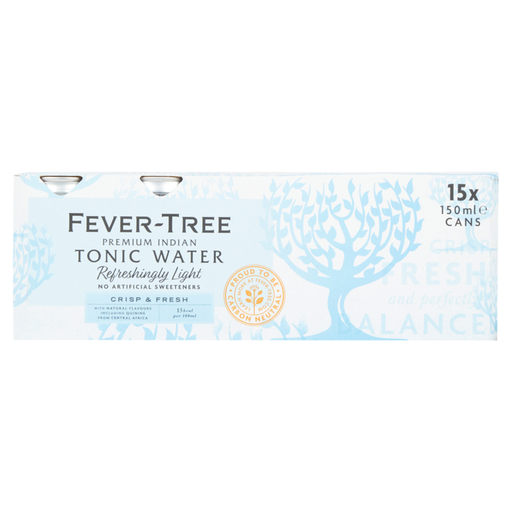
Fever-Tree Refreshingly Light Premium Indian Tonic Water, 15 × 150 ml
For a tonic-style sparkling serve rather than a complete run-fuelling drink. The Joybuy listing gives 3.8 g carbohydrate and 0.02 g salt per 100 ml for this variant; calculate any contribution using the amount you intend to drink.
View on Joybuy
 No image available
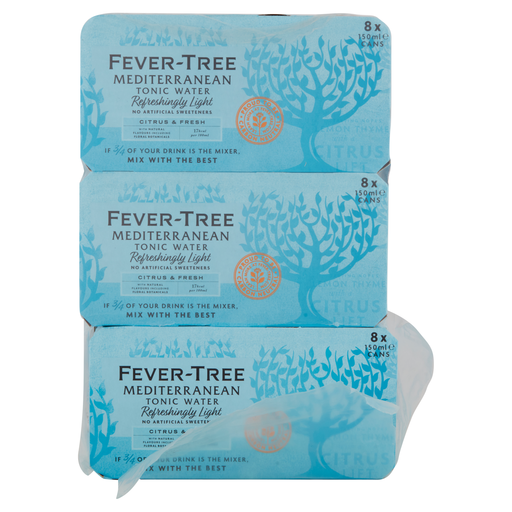
Fever-Tree Refreshingly Light Mediterranean Tonic Water, 8 × 150 ml
For a light Mediterranean tonic-style serve, this pack contains 8 × 150 ml. Check this variant’s nutrition panel before counting a can towards carbohydrate or salt intake; values from another light tonic do not describe it.
View on Joybuy
 No image available
Fever-Tree Indian Tonic Water, 8 × 150 ml
For an Indian tonic-style sparkling drink, this pack contains 8 × 150 ml. Read this variant’s carbohydrate and salt figures before deciding whether it contributes anything useful to your planned intake.
View on Joybuy
 No image available
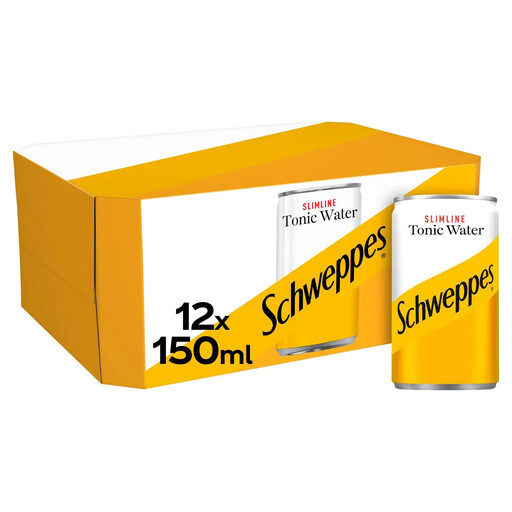
Schweppes Slimline Tonic Water, 12 × 150 ml
For a slimline tonic-style serve, this pack contains 12 × 150 ml. Check its own carbohydrate, salt and ingredient information; the figures for Schweppes Soda Water do not apply to this tonic.
View on Joybuy
Questions about fizz and marathon training
Can a sparkling mixer replace a sports drink for marathon training?
Do not assume it can. World Athletics lists up to 90 g of carbohydrate per hour for events lasting more than 2.5 hours, so check what your complete food-and-drink plan provides. Coca-Cola Great Britain labels Schweppes Soda Water at 0 g carbohydrate per 100 ml; a sweetened mixer’s contribution depends on its exact label and the amount consumed.
Does carbonation always cause stomach discomfort while running?
No automatic conclusion follows from the presence of bubbles. A study published in the International Journal of Sport Nutrition found no significant average change in gastric function, perceived gastrointestinal comfort or exercise performance under its tested conditions. Try your exact drink and planned amount in training, because that study cannot predict individual comfort.
Can tonic water contribute carbohydrate to a long-run plan?
A sweetened tonic can contribute the amount shown on its label, but it is not a complete plan by itself. Fentimans lists 4.4 g carbohydrate per 100 ml for Premium Indian Tonic Water, while a Joybuy listing gives 3.8 g per 100 ml for Fever-Tree Refreshingly Light Premium Indian Tonic Water. Multiply the figure for your exact variant by the amount you plan to drink, then account for your other food and drinks.
Should two marathon runners use the same drinking plan?
Not necessarily. Runner observations published in the International Journal of Sport Nutrition and Exercise Metabolism found wide variation in sweat losses and required drinking rates. Use training runs to check whether your planned amounts are practical rather than copying another runner’s intake.
What should I read on a mixer label before buying?
Start with carbohydrate, sugars and salt per 100 ml, then check the container size to work out the amount per serving. Read the ingredients for quinine or sweeteners where relevant, and use the exact variant’s panel: a soda water label cannot stand in for a tonic label.


