For a training run, choose water for fluid and consider a purpose-designed sports drink when the session calls for carbohydrate; a social mixer is not a planned fuelling strategy. After training or on a social occasion, soda water or a soft mixer may suit a preference for something fizzy, but check the individual drink’s alcohol by volume (ABV) and nutrition label rather than assuming “low alcohol” means none.
Who is choosing a drink?
Marathon trainees reducing alcohol
Runners choosing what to drink around long runs and demanding sessions. Drinkaware notes that alcohol’s diuretic effect, combined with sweating, can increase dehydration risk; the NHS advises extra fluid after sweating during physical activity.
Runners choosing a post-run soft drink
A fizzy mixer can be a social drink after training without being the drink used to plan carbohydrate intake for exercise. The UK Sports Institute identifies sports drinks as one compact carbohydrate option before and during exercise.
Shoppers checking alcohol labels
Anyone avoiding alcohol completely needs to distinguish a soft drink from a drink described as “low alcohol”. The UK Department of Health and Social Care’s 2018 descriptor guidance defines the latter as no more than 1.2% ABV, not necessarily zero.
What should you check?
Start with when you will drink it: fluid and any planned carbohydrate for the run are separate decisions from choosing a mixer for later.
| Priority |
What to check |
Your needs |
| Fluid around training |
Consider when you will drink it and whether you have been sweating. The NHS advises extra fluid after sweating during physical activity and identifies water as a way to replace lost fluid. |
I want a straightforward drink for fluid during or after a run, without making a social mixer part of my training plan. |
| Carbohydrate for the run |
Decide whether the session calls for planned carbohydrate. The UK Sports Institute identifies sports drinks as one compact option before and during exercise; a mixer’s sweetness alone does not establish a suitable fuelling plan. |
For a demanding session, I need to plan fuel separately from the fizzy drink I might have afterwards. |
| Sugar in a social drink |
Read the exact product’s ingredient and nutrition labels, including the per 100 ml sugar declaration and serving size. Fever-Tree lists sugar or fructose for the ginger beer variants shown in its product information. |
If I am choosing a mixer for refreshment rather than exercise fuel, its sugar declaration matters more to me than whether it tastes sweet. |
| Alcohol content |
Check the individual product’s ABV and anything added to the mixer. UK Department of Health and Social Care descriptor guidance from 2018 defines “low alcohol” as 1.2% ABV or below, which can still mean some alcohol. |
I want to know whether the finished drink contains alcohol, especially before or around a training run. |
Mistakes to avoid
-
Reading “low alcohol” as “no alcohol”
Under the UK Department of Health and Social Care’s 2018 descriptor guidance, a low-alcohol drink can contain up to 1.2% ABV. Drinkaware notes that alcohol’s diuretic effect can add to dehydration risk when combined with sweating.
Check the ABV of the individual drink and remember that adding a spirit changes what is in the finished serve.
-
Treating a sweet mixer as a fuelling plan
Sugar or fructose in a mixer’s ingredient list does not establish how it should be used during a run. The UK Sports Institute identifies sports drinks as a compact carbohydrate option before and during exercise.
Plan fluid and any carbohydrate needed for the actual session; choose a mixer for its role as a soft drink.
-
Choosing sugar-free for every training need
A sugar-free fizzy drink and a carbohydrate-containing sports drink serve different purposes when carbohydrate is part of the session plan.
Use the occasion to guide the choice: check the label for an everyday soft drink, and plan carbohydrate separately for sessions that call for it.
-
Assuming drinks from one brand have the same ingredients
Fever-Tree lists carbonated spring water, sea salt and sodium bicarbonate for Premium Soda Water, while its cited Ginger Beer ingredient lists include sugar or fructose.
Compare the exact variant’s ingredients, nutrition declaration, serving size and ABV rather than relying on the brand name.
Relevant brand references
These brand examples show different soft-drink styles; a brand’s presence here does not determine whether a particular drink suits a run.
Fever-Tree
Its mixer range includes soda water and ginger beer, which call for different label checks.
- Fever-Tree declares carbonated spring water, sea salt and sodium bicarbonate for Premium Soda Water.
- Its cited Ginger Beer ingredient lists include sugar or fructose, depending on the variant shown. Neither ingredient list establishes an endurance-fuelling use.
Fentimans
Fentimans presents ginger beer alongside other soft drinks, tonic waters and mixers for flavour-led social serves.
- Its soft-drink and mixer ranges provide options to compare for an alcohol-free social drink.
- Check the individual product’s label rather than treating its place in a mixer range as evidence of suitability for fuelling a run.
Britvic
Britvic describes a history that includes juices and mixers.
- It is a relevant brand reference when comparing soft-drink formats.
- Make an ABV or nutrition decision from the particular drink’s label, not the broader Britvic range.
Tesco
Tesco’s sugar-free fizzy-drinks listing includes Tesco No Added Sugar Ginger Beer.
- The listing gives shoppers a no-added-sugar soft-drink option to examine for routine refreshment.
- “No added sugar” does not make a drink a carbohydrate-fuelling product; check the individual label for the details that matter to you.
Joybuy options for fizzy refreshment
These sparkling waters and soft drinks are options to consider after training or for a social mixer serve. Choose fluid and any planned carbohydrate for the run on their own terms; check each drink’s label if avoiding alcohol completely.
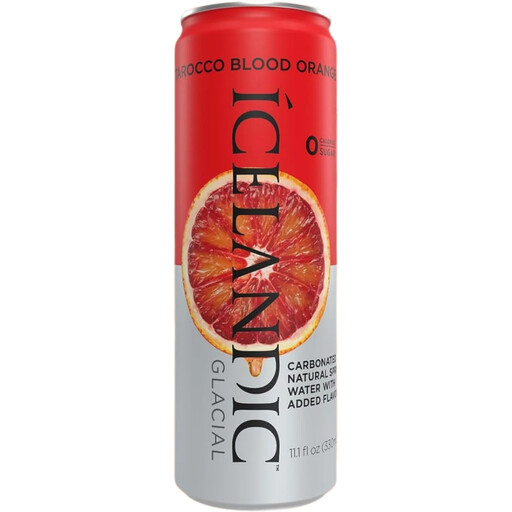 Image unavailable
Icelandic Glacial Tarocco Blood Orange Sparkling Mineral Water, 330 ml can
A flavoured sparkling water to consider for a fizzy drink after training. Check the individual label for ABV and nutrition details if these affect your choice.
View on Joybuy
 Image unavailable
7UP Zero, 24 × 330 ml cans
A canned soft drink for occasions when you want a fizzy option rather than planned run fuel. Check the individual label for ABV, ingredients and nutrition information.
View on Joybuy
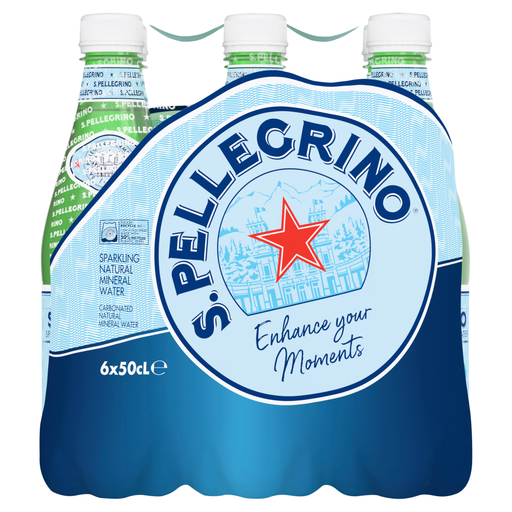 Image unavailable
San Pellegrino Sparkling Natural Mineral Water, 6 × 0.5 L
A plain sparkling-water option for a fizzy drink after training or a social serve. Do not count on it as a planned source of carbohydrate for a run.
View on Joybuy
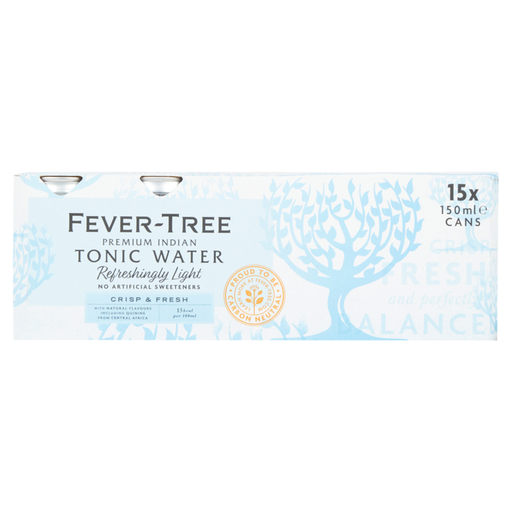 Image unavailable
Fever-Tree Refreshingly Light Premium Indian Tonic Water, 15 × 150 ml
A tonic-water format to consider for a social serve rather than fuelling a run. Check the individual can’s ABV, ingredients and sugar declaration before choosing it.
View on Joybuy
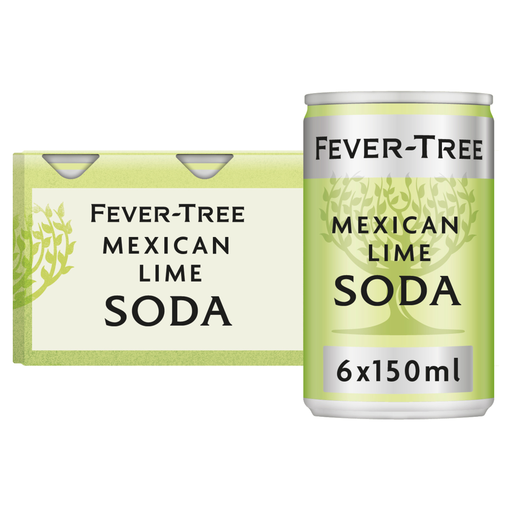 Image unavailable
Fever-Tree Mexican Lime Soda, 6 × 150 ml
A lime soda for a flavoured mixer-style drink after training or socially. Read the individual label for ABV, ingredients and sugar rather than treating it as a sports drink.
View on Joybuy
Frequently asked questions
Can a low-alcohol mixer fuel a marathon-training run?
Do not use “low alcohol” as a fuelling criterion: under the UK Department of Health and Social Care’s 2018 descriptor guidance, the drink can contain up to 1.2% ABV. For sessions that call for carbohydrate, the UK Sports Institute identifies sports drinks as one compact option before and during exercise; plan the drink and amount for the session rather than relying on a mixer.
Is soda water an alternative to an alcoholic mixed drink after a run?
Soda water served without an alcoholic addition avoids adding that spirit to the drink. Drinkaware notes that alcohol’s diuretic effect combined with sweating can increase dehydration risk. Soda water can be a fizzy drink after training, but it does not replace food or a separate carbohydrate plan when those are needed.
Does “low alcohol” mean alcohol-free in the UK?
No. The UK Department of Health and Social Care’s 2018 descriptor guidance defines “low alcohol” as 1.2% ABV or below, so the drink may still contain alcohol. Check the ABV on the individual product if you intend to avoid alcohol completely.
Should every training drink be sugar-free?
Not necessarily: the purpose of the drink matters. A sugar-free mixer may suit a preference for a soft drink outside the run, whereas the UK Sports Institute identifies carbohydrate-containing sports drinks as one option before and during exercise when carbohydrate is part of the session plan. Check the product label and plan for the demands of the run.


