Choose water for routine fluid replacement during marathon training; if you prefer bubbles, plain sparkling water is an option, but it is not carbohydrate fuel. A regular fizzy drink can contribute carbohydrate if its current label fits a plan you have already tried in training, while a zero-sugar drink is a flavour choice rather than a fuelling strategy. Check carbohydrate per serving, caffeine and ingredients before treating any soft drink as part of that plan.
Who is each option for?
The useful distinction is whether you want fluid, carbohydrate or simply a fizzy flavour.
Runners who prefer fizz with everyday drinks
If you want bubbles rather than carbohydrate, consider plain sparkling water. The NHS recommends water for replacing fluid lost through physical activity and suggests sparkling water for people who dislike plain water.
Runners considering a carbohydrate drink
If you are thinking of using a regular fizzy drink around a run, check its carbohydrate per serving and ingredients against a plan you have tried in training. The UK Sports Institute discusses carbohydrate drinks as an option before a run when breakfast has been missed or eating beforehand does not appeal; that does not make every sugary soft drink interchangeable with a sports drink.
Runners choosing zero-sugar fizz
If you want fizzy flavour without sugar, check the carbohydrate figure as well as the front of the pack. The manufacturer pages for Pepsi Max, Sprite Zero and Dr Pepper Zero each list 0 g carbohydrate per 100 ml, so those reviewed variants are not carbohydrate-fuelling choices.
What should you check before buying?
Decide what the drink is meant to do in your training routine, then compare the nutrition panel and ingredients on the pack you will use.
| Priority |
What to check |
Your needs |
| Fluid and fizz |
Check whether it is plain sparkling water or a flavoured soft drink. For fluid lost through activity, the NHS recommends water and suggests sparkling water if you dislike plain water. |
I want bubbles with an everyday drink, without choosing it for carbohydrate. |
| Carbohydrate |
Compare grams of carbohydrate per 100 ml and per serving, not just the words “regular” or “zero”. The UK Sports Institute says a carbohydrate drink can be an option before a run if breakfast has been missed, but a sports drink is probably unnecessary after a carbohydrate-based breakfast. |
If my training plan calls for carbohydrate, I need to know what my actual serving contributes. A zero-sugar flavour choice will not serve the same purpose. |
| Current label |
Read the physical pack’s nutrition panel and ingredient list for carbohydrate, sugars, caffeine, sweeteners and any phenylalanine declaration. Pepsi UK lists 15 g carbohydrate per 330 ml for Pepsi Classic, while a Joybuy regular-Pepsi multipack listing gives 34 g per 330 ml; do not use either figure for a particular can without checking it. |
I want to plan from the drink I will actually use, especially if its carbohydrate amount matters to a session. |
| Acidity and sipping |
Check ingredients for acids and consider how long you tend to sip a drink. Cheshire and Wirral Partnership NHS Foundation Trust warns that constantly sipping acidic fizzy drinks can be particularly harmful to tooth enamel, including when drinks are low calorie. |
A bottle I sip throughout the day calls for a different decision from an occasional drink. |
| Pack format |
Check the volume of one can or bottle as well as the number in the pack. Calculate carbohydrate from the current label for the portion you intend to drink, rather than treating a per-100 ml figure as a whole-serving figure. |
For a planned drink, I need a portion size that makes its label figures useful to me. |
Common buying mistakes
-
Assuming any sugary fizz is a complete sports drink
A carbohydrate figure describes only part of a drink. The UK Sports Institute discusses carbohydrate drinks for particular pre-run circumstances, while soft drinks differ in their carbohydrate content and ingredients.
Decide whether you need fluid, planned carbohydrate or flavour. If carbohydrate is part of your training plan, use an approach you have tried rather than assuming a cola and a sports drink have the same role.
-
Picking zero sugar when you need carbohydrate
Pepsi Max, Sprite Zero and Dr Pepper Zero each list 0 g carbohydrate per 100 ml on their reviewed manufacturer pages. Their fizzy flavour does not meet a carbohydrate-fuelling requirement.
When carbohydrate matters, check grams per serving on the current nutrition panel instead of relying on the drink category.
-
Sipping an acidic drink throughout the day
Cheshire and Wirral Partnership NHS Foundation Trust warns that constant sipping of acidic fizzy drinks can be particularly harmful to tooth enamel, including for low-calorie varieties.
Avoid making an acidic fizzy drink your continuous training-day sip; choose water for routine drinking.
-
Calculating fuel from a listing rather than the can
Pepsi UK lists 15 g carbohydrate per 330 ml for Pepsi Classic, whereas a Joybuy regular-Pepsi multipack listing shows 34 g per 330 ml. That difference matters if you are counting carbohydrate.
Use the nutrition panel on the current physical pack before including a regular fizzy drink in a planned intake.
Brand and product-line references
These label examples illustrate differences between specific UK products; check the variant and pack you are buying.
Coca-Cola
Coca-Cola GB lists 10.6 g carbohydrate and 10.6 g sugars per 100 ml for Coca-Cola Original Taste.
- The declared carbohydrate figure lets you calculate what a chosen serving contributes.
- Coca-Cola Original Taste contains caffeine; its carbohydrate content alone does not make it a complete training-fuel plan.
Pepsi
Pepsi UK lists 4.6 g carbohydrate per 100 ml for Pepsi Classic and 0 g per 100 ml for Pepsi Max.
- The two reviewed variants have different carbohydrate roles.
- Pepsi UK and a Joybuy regular-Pepsi listing give different carbohydrate values for a 330 ml serving. Check the physical pack if the amount matters to your plan.
Sprite
Coca-Cola GB lists 4.4 g carbohydrate per 100 ml for Sprite and 0 g per 100 ml for Sprite Zero.
- These reviewed lemon-and-lime variants offer a regular or zero-sugar choice.
- Check the ingredients and declarations on the particular variant, as well as its carbohydrate figure.
Fanta
Coca-Cola GB describes Fanta Orange as caffeine-free and lists 4.5 g carbohydrate per 100 ml.
- It is a reviewed regular fizzy option for someone checking for caffeine.
- Its carbohydrate amount must still be calculated for the serving used; caffeine-free does not mean carbohydrate-free.
Dr Pepper
Coca-Cola GB lists 4.3 g carbohydrate per 100 ml for regular Dr Pepper and 0 g per 100 ml for Dr Pepper Zero.
- The reviewed regular and zero variants have distinct carbohydrate figures.
- The reviewed products include caffeine; check the current variant’s ingredients if caffeine or sweeteners matter to you.
Tesco
Tesco describes its British Natural Mineral Water Sparkling 6 x 2 L product as carbonated natural mineral water.
- It is a plain sparkling-water reference for a fluid-focused choice rather than a carbohydrate drink.
- Tesco advises reading the current product label because food-product information can change.
Joybuy drink options
These options cover sparkling water for everyday fizz, a regular cola with declared carbohydrate, and a zero-sugar soft drink for flavour. They do not make the same contribution to a training-fuel plan.
 No image available
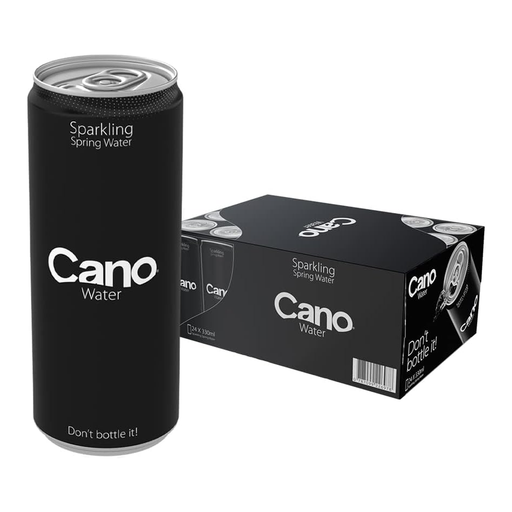
Cano Water Sparkling Ring Pull, 24 × 330 ml
A sparkling-water option when you want bubbles with an everyday drink, rather than a planned carbohydrate drink. The pack contains 24 × 330 ml cans; check the current label if you need specific nutrition or ingredient details.
View on Joybuy
 No image available
Coca-Cola Original Taste, 24 × 330 ml
Consider this regular cola only if a familiar fizzy drink fits a carbohydrate plan you have tried in training. The Joybuy listing for this product gives 10.6 g carbohydrate per 100 ml and 35 g per 330 ml can, and the product contains caffeine; check the current can before calculating your intake.
View on Joybuy
 No image available
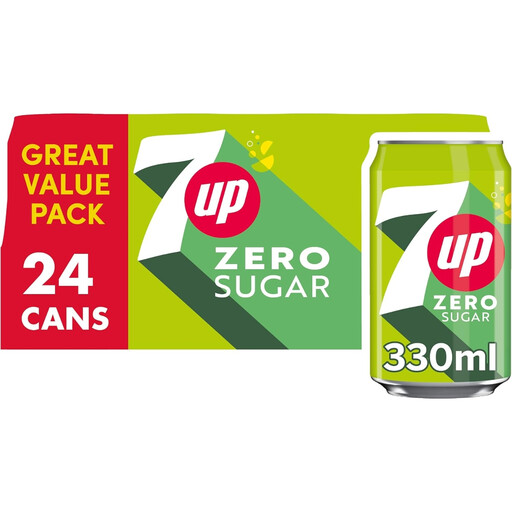
7UP Zero, 24 × 330 ml
A zero-sugar fizzy flavour choice, not a substitute for planned carbohydrate intake. The pack contains 24 × 330 ml cans; read its current nutrition panel and ingredient declarations if carbohydrate, caffeine or sweeteners affect your choice.
View on Joybuy
Questions about fizz and training
Should I choose fizzy drinks instead of water for training-day fluids?
Choose water for routine fluid replacement. The NHS says water is the best way to replace fluid lost through physical activity and suggests sparkling water if you dislike plain water; plain sparkling water is not carbohydrate fuel.
Can a zero-sugar fizzy drink provide carbohydrate for a long run?
Not if its label lists 0 g carbohydrate. The reviewed manufacturer pages for Pepsi Max, Sprite Zero and Dr Pepper Zero each list 0 g per 100 ml, so those variants are flavour choices rather than carbohydrate sources.
When might a carbohydrate drink be useful before a run?
The UK Sports Institute says a carbohydrate drink can be an option if you have missed breakfast or do not like eating before a run. It also says a sports drink is probably unnecessary after a carbohydrate-based breakfast; try the timing and drink during training rather than assuming a regular fizzy drink will suit you.
Does choosing zero sugar remove the dental concern?
No. Cheshire and Wirral Partnership NHS Foundation Trust warns that acid in low-calorie fizzy drinks can affect teeth and that constantly sipping them can be particularly harmful to enamel. Avoid treating an acidic drink as an all-day sip.
How long can I keep opened sparkling water?
Follow the instructions for the product you bought. Tesco’s listing for British Natural Mineral Water Sparkling says to refrigerate it after opening and consume it within three days; that instruction should not be assumed for every brand or pack.


