What should you check?
Decide whether the snack is mainly for carbohydrate around a run or for a stated protein amount, then compare portions and ingredients.
| Priority |
What to check |
Your needs |
| Carbohydrate |
Compare carbohydrate per serving as well as per 100g. Check the portion you plan to carry and when you intend to eat it. |
For a training-day carbohydrate snack, I want a familiar portion I can carry and try on an ordinary run. The British Dietetic Association identifies carbohydrate as the main fuel source for exercising muscles. |
| Protein |
Read protein per bar or portion, then use the per 100g figure to compare different pack sizes. ASDA lists 2.7g protein per 100g for its Seedless Raisins and 10g per 100g for its Cashews & Raisins mix; Sainsbury's lists 6.2g per 45g nākd Cherry Fruit & Nut Protein Bar. |
If protein is my reason for buying, I need a stated amount in the portion I will actually eat, rather than relying on dried fruit alone. |
| Run-day tolerance |
Compare fibre and fat per serving, and test the exact food, portion and timing in training. UK Sports Institute guidance recommends trial and error before running. |
A new nut-rich bar or fibre-containing fruit snack is not something I want to try for the first time on an important long run. |
| Ingredients and allergens |
Read the current ingredients, allergen declaration and precautionary statements on the pack. ASDA lists cashews as half of its Cashews & Raisins mix; the Food Standards Agency notes that sulphites are often used in dried fruit. |
When switching between plain fruit, a nut mix and a bar, I need to check the exact product for ingredients relevant to me. |
Joybuy product options
These options include dried goji berries and several protein or nut bars. Compare them by the role you want the snack to play; a protein bar in this list is not necessarily a dried-fruit product.
 No image available
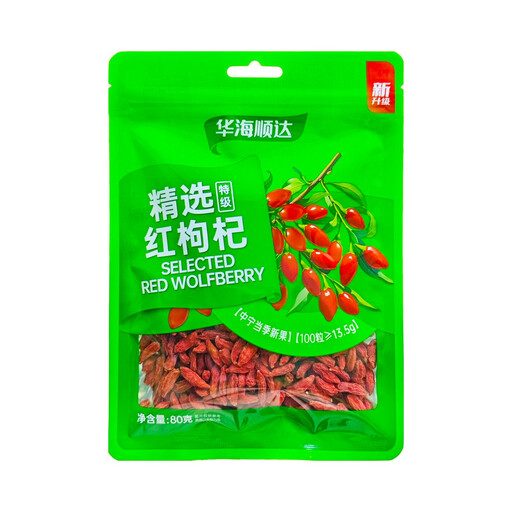
HUASEED Premium Goji Berries 80g
A dried-fruit option if you want to compare a portable fruit portion with bars and nut mixes. Check the pack's carbohydrate and protein per serving, and try your chosen portion in training.
View on Joybuy
 No image available
Nakd Peanut Delight 4 x 35g
A peanut-named bar format to consider when comparing a stated protein amount per bar with plain dried fruit. Check the current ingredients and allergen statement, and trial the portion in training if you plan to eat it near a run.
View on Joybuy
 No image available
Nature Valley Protein Peanut & Chocolate Bar 4 x 40g
A protein-bar alternative rather than a plain dried-fruit choice. Compare protein and carbohydrate per bar on the current pack, and check its ingredients and allergen statement before selecting it.
View on Joybuy
 No image available
Grenade High Protein Low Sugar Protein Bar Jaffa Quake, 12 x 60g
A formulated protein-bar option, not a substitute for comparing the dried-fruit formats themselves. Check the current per-bar nutrition, ingredients and allergens; if you intend to eat a bar near a run, test your tolerance during training.
View on Joybuy
 No image available
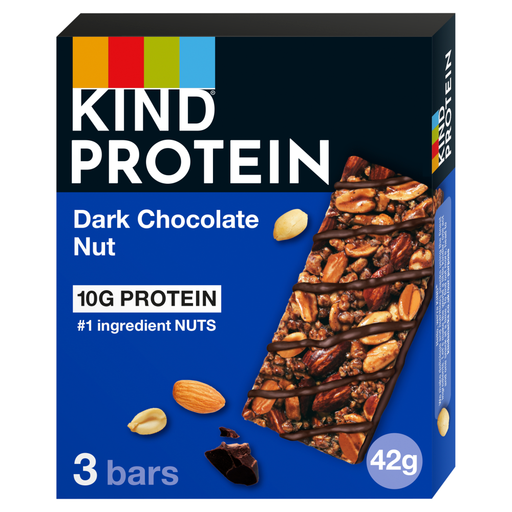
KIND Protein Dark Chocolate Nut Bars 3 x 42g
A nut-bar format for comparing a declared protein amount with plain dried fruit. Read the current per-bar nutrition and allergen information, and consider when you plan to eat the bar.
View on Joybuy
Frequently asked questions
Is plain dried fruit a high-protein recovery snack?
The plain raisin and prune examples listed by ASDA and Tesco provide 2.1–3.0g protein per 100g, so choose them primarily for their carbohydrate rather than assuming they meet a protein requirement. If you also want protein after a run, compare a separate protein-containing food or a bar by its declared serving amount.
When should I try dried fruit before a long run?
Try the exact food and portion during training, not for the first time on an important run. UK Sports Institute guidance recommends trial and error and notes that many athletes eat one to three hours before running; your workable timing depends on the food and your own tolerance.
Should I choose dried fruit or a protein bar after a run?
Choose according to what you want the snack to provide: plain dried fruit is a carbohydrate option, while a bar with declared protein may meet a different requirement. UK Sports Institute guidance discusses having carbohydrate and protein after a run; compare actual serving labels rather than assuming every fruit-based bar has the same composition.
Which allergens should I check in dried-fruit snacks?
Check the exact pack's ingredients and allergen statements, particularly when moving from plain fruit to a nut mix or bar. ASDA lists cashews in its Cashews & Raisins mix, and the Food Standards Agency notes that sulphites are often used in dried fruit and that people with asthma have a higher risk of reaction.


