
24/7 Customer Support

Free returns

Same-day & Next-day Delivery

Quality Guaranteed

Unlock Your Welcome Offers: FREE Delivery | Up to 80% OFF | Free 30-day JoyPlus trial
Download the APP
Choosing marine collagen supplements can seem straightforward until you compare collagen source, serving size, flavour, dietary suitability and packaging. UK shoppers can easily pay more for a smaller dose, choose a product that conflicts with an allergy or buy a flavoured formula that does not suit their daily routine.
This guide breaks down the practical checks that matter before purchasing, followed by tailored product recommendations for different lifestyles.
A 300g pouch does not necessarily provide 300g of collagen. Flavoured products may include cacao, coconut ingredients, MCT powder, sweeteners or other additions. Always check the collagen amount per serving, not just the pack size.
For comparison, one 10g serving of the Hunter & Gather marine powder provides 10,000mg of hydrolysed marine collagen peptides. The sachets contain 5,000mg per sachet, while the cacao creamer provides a stated 7,500mg of collagen in a 20g serving.
Marine collagen is generally made from fish, whereas bovine collagen peptides are usually sourced from cattle. They are not interchangeable for allergy, dietary or ingredient-preference purposes.
Marine formulas commonly provide Type I collagen, while bovine products may contain Type I and Type III collagen. These are product composition differences, not guarantees of a particular cosmetic or physical outcome.
An unflavoured collagen powder can be mixed into coffee, tea, porridge, smoothies or savoury recipes. A cacao formula is more suitable for shoppers who want a chocolate-flavoured morning drink. Sachets are convenient, but a 5g portion may not match the serving size you intend to use.
Check whether the powder is sweetened, whether it contains dairy or coconut ingredients and whether the packaging can be resealed securely to reduce moisture-related clumping.
Look for hydrolysed collagen peptides, sometimes called collagen peptide powder. Hydrolysis breaks collagen down into smaller peptide components for use in a food supplement format. It does not make the product a medicine and supplements should not replace a varied diet.
Compare the amount in milligrams per serving:
Follow the packaging directions and consider the product’s protein contribution when planning your daily intake.
If you specifically want a Type I collagen supplement, check the ingredient and product description rather than relying on front-of-pack wording. Marine formulas in this selection are made from white fish, while the cacao creamer uses bovine collagen peptides.
For UK shoppers with allergies, this distinction is essential. The marine products contain fish and are unsuitable for people with a fish or shellfish allergy or intolerance. The creamer is not suitable for vegetarians or vegans and contains bovine and coconut-derived ingredients.
A suitable dairy-free collagen supplement may still contain fish, beef or coconut, so read the complete allergen information. The products featured here are described as free from gluten, wheat, soy, lactose, dairy, eggs and nuts, but formulations and packaging can change.
For shoppers following keto, low-carb or sugar-free diets, check the nutrition panel. The marine powder and sachets list zero carbohydrates and zero sugars per stated serving. The cacao creamer lists 1g of carbohydrate and 0g of sugars per 20g serving, alongside fat and protein from its added ingredients.
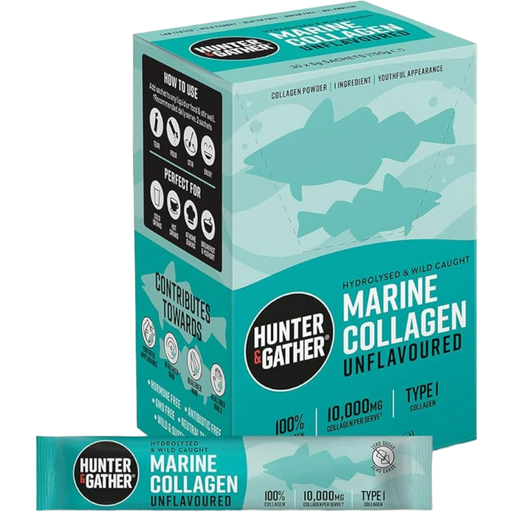
Why This Fits Their Persona: Individual 5g portions make it easier to start gradually, measure intake and take collagen to work, the gym or on UK holidays without carrying a full pouch.
The 5,000mg per-sachet amount is clearly portioned, helping avoid guessing how much powder to scoop. The formula is unflavoured and contains no listed artificial sweeteners, fillers, gums or thickeners.
30 individually wrapped sachets; hydrolysed marine collagen from wild-caught North Atlantic white fish; compatible with low-carb, keto, dairy-free and gluten-free diets according to the listing.
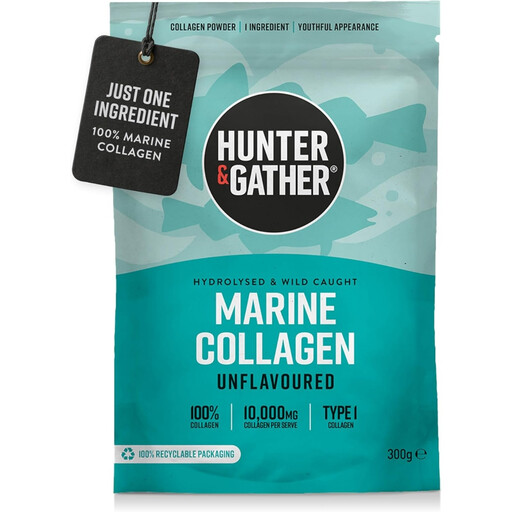
Why This Fits Their Persona: This suits shoppers who want a single-ingredient, unflavoured marine powder with a larger pouch for regular use at home.
The listing specifies 100% hydrolysed marine collagen peptides, rather than hiding the collagen amount within a flavoured blend. It also states 10,000mg per 10g serving.
300g pouch; unflavoured powder for hot or cold drinks and recipes; 9.5g protein and 39 kcal per stated 10g serving.
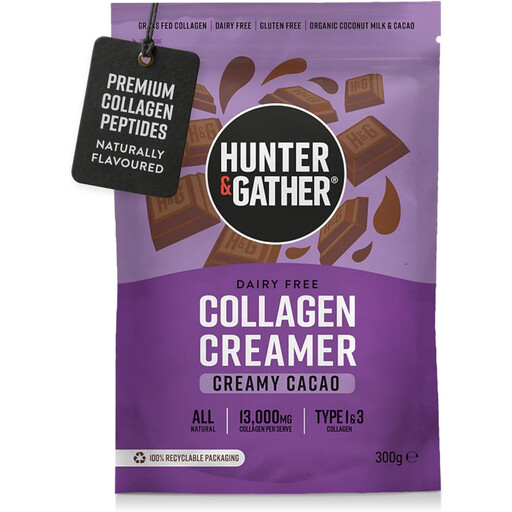
Why This Fits Their Persona: Designed for busy professionals, gym-goers and keto shoppers who want collagen incorporated into coffee or tea with a cacao flavour and added MCT ingredients.
The nutrition panel separates collagen-containing protein from the added cacao, coconut milk powder and MCT powder, making it easier to account for the complete serving.
20g serving; 7,500mg stated collagen content; 1g carbohydrate and 0g sugar per serving; dairy-free and unsweetened according to the listing.
No. Marine collagen is derived from fish, so these products are not suitable for people with a known fish or shellfish allergy or intolerance. Check with a healthcare professional if you are unsure about an ingredient.
At 10g daily, a 300g pouch contains approximately 30 servings. At 20g daily, it provides approximately 15 servings. Actual usage should follow the product label and your personal dietary requirements.
Yes. The unflavoured marine powders are listed for use in hot coffee, tea and other drinks. The cacao collagen creamer is specifically designed to add a chocolate flavour and creamy texture. Always stir or blend thoroughly and follow the stated serving guidance.