
24/7 Customer Support

Free returns

Same-day & Next-day Delivery

Quality Guaranteed

Unlock Your Welcome Offers: FREE Delivery | Up to 80% OFF | Free 30-day JoyPlus trial
Download the APP
Marker pens can cover everything from a child’s first colouring activity to detailed illustration, shop signage, classroom planning and industrial labelling. However, the word “marker” describes several very different ink and nib systems. Choosing by colour count or low price alone can leave you with dried-out tips, ink that bleeds through paper or permanent marks on a surface that needed to remain clean.
This guide explains the practical specifications to check before buying, then matches a selection of marker pens to different UK users and use cases.
A permanent marker may be suitable for plastic, rubber or metal but inappropriate for a whiteboard or shop window. Conversely, washable dot markers are convenient for children but are not designed for durable labelling.
Before purchasing, decide whether you will write on:
Washable ink can be easier to remove from skin and fabrics, but the result depends on how quickly a spill is cleaned and the material involved. The Jar Melo set, for example, specifies ink that is 90% washable from skin and most fabrics, rather than claiming complete removal in every situation.
For young children, use markers on a protected table and wash fresh marks promptly. Check age warnings too: many products contain small caps or components and are not suitable for children under three.
A 90-colour set sounds flexible, but it may not be the right purchase if you mainly need precise labelling or broad highlighting. Likewise, fine tip markers are useful for outlines but slow for filling large areas. Consider the line width and nib shape before paying for a larger pack.
A bullet tip produces a consistent line and is useful for general writing. A fine tip, such as the 2.9 mm bullet found on several Pentel paint markers, offers more control for outlines and smaller labels.
A chisel tip can create two line widths, making it practical for highlighters and headings. Brush pens use a flexible tip that responds to pressure, allowing narrow upstrokes and broader downstrokes for calligraphy or expressive illustration.
Dual tip art markers combine two options in one pen. The Ohuhu water-based set includes a 0.4 mm fineliner and a 1–6 mm flexible brush tip, while the acrylic paint pen sets combine fine and round tips for detail and coverage.
Paint and chalk markers often need shaking and nib priming before first use. This mixes pigment and starts ink flow, but pressing too hard can damage the tip or release excess ink. Replace caps firmly after every use.
For storage, many paint and whiteboard markers specify horizontal storage to help maintain ink flow. Keep them away from heat and direct sunlight. A set with replacement nibs may cost more initially but can extend its usable life when tips become worn.
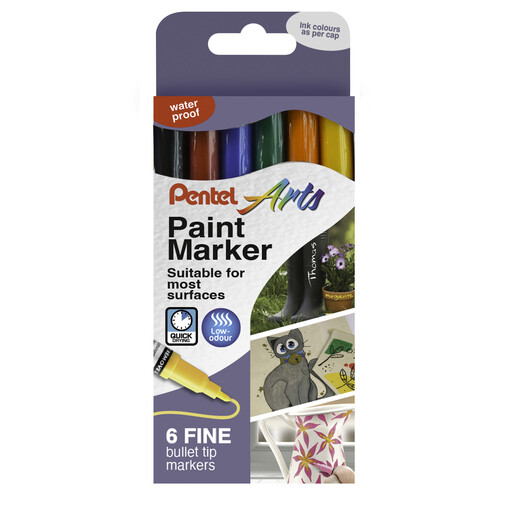
Why This Fits Their Persona: A six-colour pack provides a focused starting palette for crafts, hobbies and occasional marking without committing to a larger collection.
The 2.9 mm fine bullet tip and clearly specified surface compatibility help avoid buying a broad-tip pen for detailed work.
Permanent, opaque pigment-based ink; aluminium barrel; suitable for thick card, metal, glass, plastic and rubber.
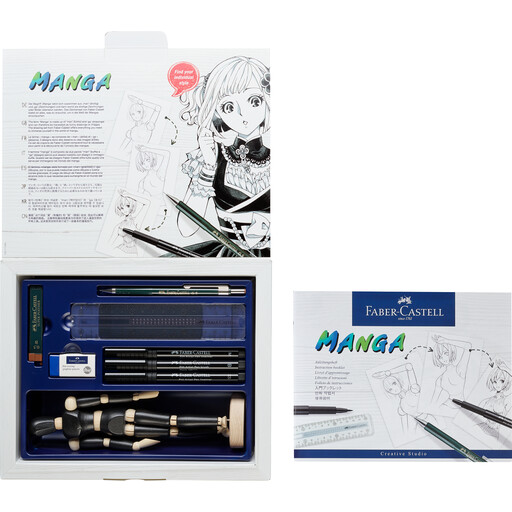
Why This Fits Their Persona: Illustrators and calligraphers who value controlled line variation can use the set’s six nib varieties for manga and detailed drawing.
The emphasis is on nib choice and ink characteristics rather than an inflated colour count, which suits line-focused artwork.
Includes six nib varieties; pigmented, waterproof and acid-free ink is specified for artwork.

Why This Fits Their Persona: Regular crafters, illustrators and hobbyists working across several materials may benefit from a wide palette and two tip styles per marker.
The product specifies tip sizes, surfaces and maintenance steps, so users can match the pens to a project instead of relying on colour quantity alone.
90 pens with regular, metallic and neon shades; fine and round tips; replacement nibs and a carrying case included.
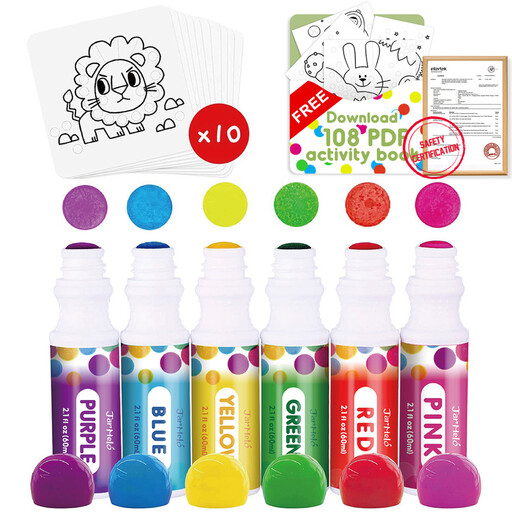
Why This Fits Their Persona: The jumbo barrels and built-in sponge tips are designed for small hands, while the activity sheets support colouring, counting and letter practice.
Its water-based, alcohol-free and odourless ink is specified for easier cleaning, while the product still advises prompt cleaning of fresh spills.
Six jumbo dot markers; approximately 62 ml of ink per marker; physical and downloadable activity pages included.
We have compiled a complete, real-time list of products that fully satisfy these strict selection criteria and UK safety regulations.
Choose dry-wipe whiteboard markers with ink specifically intended for non-porous boards. BIC Ecolutions Velleda markers have a 1.5 mm line width, low-odour dry-wipe ink and a blocked acrylic tip. Recap them after use and store them horizontally where indicated.
Lifespan depends on ink volume, frequency of use, tip pressure and storage. Markers can dry quickly if left uncapped or exposed to heat. Replace caps firmly after each use, store pens as directed and avoid pressing paint-marker tips excessively during priming.
Not generally once they have dried on a suitable surface. Acrylic paint pens are intended to create opaque craft marks, and some formulas are described as waterproof or fade-resistant. They are not the same as washable children’s markers and should not be used on skin. Always check the surface instructions before starting a project.