
24/7 Customer Support

Free returns

Same-day & Next-day Delivery

Quality Guaranteed

Unlock Your Welcome Offers: FREE Delivery | Up to 80% OFF | Free 30-day JoyPlus trial
Download the APP
From labelling storage boxes in a warehouse to creating eye-catching displays in a café, the humble marker pen is an indispensable tool. Yet, choosing the right one can be surprisingly complex. With a vast array of inks, tips and intended surfaces, picking the wrong marker can lead to smudged labels, faint lines or even permanent marks where you wanted temporary ones.
This guide is designed to cut through the clutter. We will walk you through the key considerations for selecting the right marker for your task, whether you are in a demanding industrial setting, an office, a classroom or simply organising your home. We will then highlight a few practical recommendations to help you make a confident choice.
Before you add a marker to your basket, consider these three factors to ensure it meets your needs.
The most critical factor is what you are writing on and how long you want the mark to last.
The tip, or nib, determines the appearance of your line. The main types are:
Finally, think about the environment where you will be using the marker.
Based on common user needs and practical features, here are our recommendations to help you find a suitable marker for your next project.
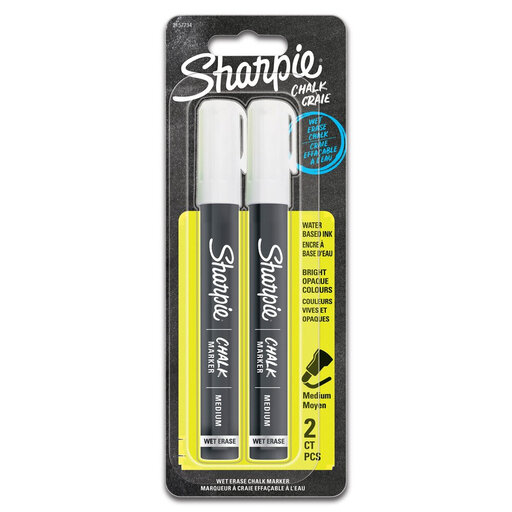
Why It Stands Out: These markers offer the bold, opaque look of chalk but with the convenience of a pen. The wet-erase formula is specifically designed for non-porous surfaces, making it simple to update menus, signs and classroom boards with just a damp cloth.
Pros:
Who is it for?: Business owners, educators and crafters who need to create dynamic, temporary displays that capture attention.
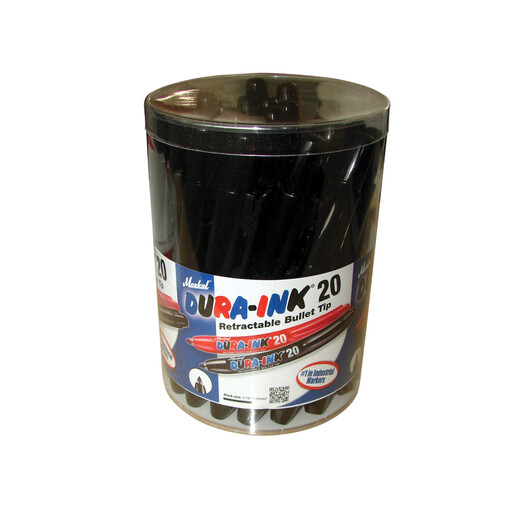
Why It Stands Out: The capless, retractable design is a game-changer in busy environments. It allows for quick, one-handed marking and prevents the ink from drying out, making it a highly practical tool for industrial settings. The permanent ink is formulated to be durable on a wide range of materials.
Pros:
Who is it for?: Professionals in construction, logistics and manufacturing who require a reliable and convenient industrial marker for daily tasks.
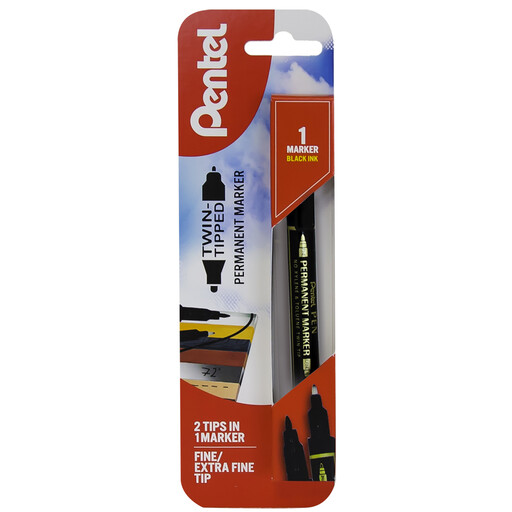
Why It Stands Out: This marker offers two tools in one. With a 3.5mm medium bullet tip on one end and a 0.6mm ultra-fine nib on the other, it provides the flexibility to switch between bold labelling and detailed writing without changing pens.
Pros:
Who is it for?: Office workers, students and home organisers who need a single, versatile marker for a variety of labelling and writing tasks.
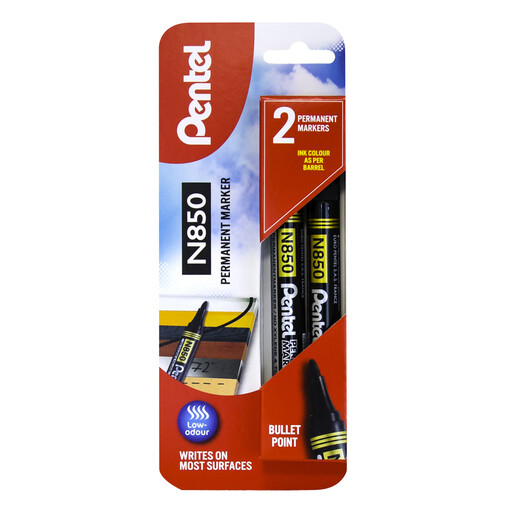
Why It Stands Out: This is a dependable, everyday permanent marker that delivers on performance and value. A standout feature is its specially moulded, anti-roll cap, which prevents the marker from rolling off desks or workbenches—a simple but incredibly useful design detail.
Pros:
Who is it for?: Anyone needing a reliable and affordable permanent marker for general-purpose tasks at home, in the office or in a warehouse.
While these recommendations cover a range of common uses, your project might have unique requirements. If you are specifically searching for a classic, reliable writing tool for permanent labelling, explore our full range of black permanent markers for more choices.
A permanent marker uses ink that is water-resistant and designed to create a lasting mark on most surfaces. A wet erase marker, such as a chalk marker, uses ink that is specifically formulated for non-porous surfaces like glass or whiteboards and can be easily removed with a damp cloth.
Yes, many permanent markers are designed to write effectively on non-porous surfaces like plastic and metal. The ink contains solvents that help it adhere to smooth materials. For reliable results, look for markers like the Markal DURA-INK or Pentel Twin Tipped that specify suitability for these surfaces.
A fine tip marker is best for tasks requiring precision, such as detailed drawing, writing in small spaces or labelling thin cables. A bullet tip pen produces a bolder, more uniform line, making it a great all-rounder for general writing, creating signs and marking boxes where visibility is key. If you need both, a twin tip marker is an excellent solution.