
24/7 Customer Support

Free returns

Same-day & Next-day Delivery

Quality Guaranteed

Unlock Your Welcome Offers: FREE Delivery | Up to 80% OFF | Free 30-day JoyPlus trial
Download the APP
From brainstorming sessions in the office to marking up materials on a construction site, the humble marker pen is an indispensable tool. Yet, finding the right one can be surprisingly difficult. A pen that promises bold, lasting colour can quickly become a faded, streaky disappointment, while another might permanently stain a surface it was never meant for. As the Joybuy Product Recommendation Officer, my role is to help you navigate these choices and find a tool that is fit for purpose.
Before you add another pack of pens to your basket, let’s look at the common pitfalls that lead to wasted money and frustration:
whiteboard markers, seem to lose their vibrancy after only a few uses. This is often due to poor cap design that doesn't seal properly or an ink formula that evaporates too quickly, leaving you with a useless plastic shell.permanent marker on a non-porous surface like a whiteboard can result in a stain that’s impossible to remove, while a dry wipe pen on paper will just bleed and smudge.paint markers and chalk pens, where the pigment separates or the flow is unreliable, undermining the clarity of your work.To avoid these issues, focus on a few core specifications. Matching these to your specific task is the key to getting a marker that performs reliably.
The most critical factor is the ink. Understanding the different types will ensure you get the right performance without damaging your surfaces.
whiteboard markers, these contain an ink with a special polymer that prevents it from binding to non-porous surfaces. It dries to a powder that can be wiped away easily with a dry cloth or eraser. They should only be used on whiteboards, glass and other sealed surfaces.industrial marker suitable for marking on metal, plastic, rubber and stone.The nib of the marker dictates the kind of line you can create. The two most common types are:
Always check what surfaces the manufacturer recommends. A marker designed for porous materials like paper will bleed on a non-porous surface like plastic. Conversely, an industrial marker for metal may be too aggressive for delicate materials. For tradespeople, a marker that works on dusty or oily surfaces is essential, whereas a hospitality owner needs one that writes cleanly on glass or a chalkboard.
Instead of a one-size-fits-all approach, we've matched specific marker pen set options to different user needs, helping you find a reliable tool for your exact requirements.
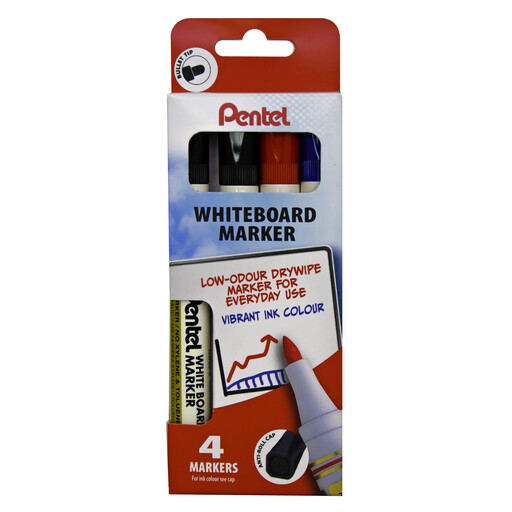
Why This Fits Their Persona: This multi-pack of assorted colours is ideal for teachers and office managers who need reliable, everyday dry wipe pens for presentations and brainstorming. The bullet tip ensures writing is consistently clear and legible from a distance.
It is a dedicated whiteboard marker, not a failed "universal" pen. The unique anti-roll cap design also helps ensure it's properly sealed, preventing the ink from drying out prematurely.
Features vibrant, pigment-based ink for excellent visibility and wipes away cleanly. The anti-roll cap is a practical feature for busy desks and classrooms.
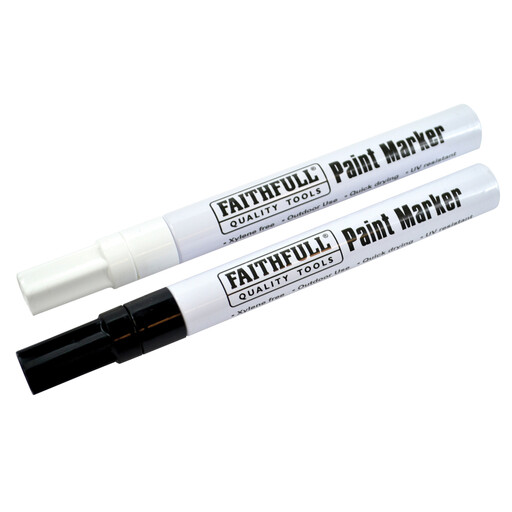
Why This Fits Their Persona: For builders, mechanics or fabricators, a standard marker won't do. This paint marker is designed for industrial applications, providing high-contrast marks on materials like metal, wood, plastic and glass.
This is a specialist tool, not a general-purpose marker. Its oil-based ink is formulated for permanence and resistance to smudging and fading, avoiding the inconsistent results of lesser pens.
The quick-drying, oil-based ink ensures markings are durable and long-lasting. The robust tip is designed to withstand use on rough or demanding surfaces without failing.
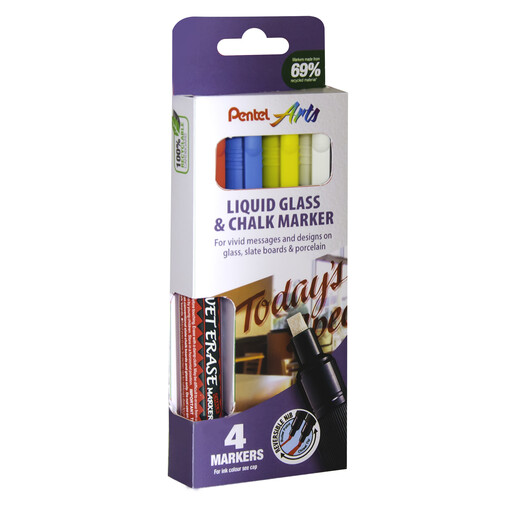
Why This Fits Their Persona: Perfect for cafe owners, retailers or home organisers who need to create vibrant, eye-catching displays on non-porous surfaces like menu boards, glass windows or metal signs. The wet erase chalk markers offer bold colour without the mess of traditional chalk.
Unlike dry-wipe ink, this wet-erase formula won't smudge with a casual touch, but it removes cleanly with a damp cloth. This avoids the trap of using the wrong type of erasable marker for public-facing signage.
The reversible nib offers both bullet and chisel options for total control over line width. The liquid chalk formula provides smooth, opaque coverage for a professional finish.
We have compiled a complete, real-time list of products that fully satisfy these strict selection criteria and UK safety regulations.
1. How can I stop my whiteboard markers from drying out? The two most effective methods are to always replace the cap firmly until you hear it click and to store your dry wipe pens horizontally. Storing them vertically can cause the ink to pool at one end, leading to inconsistent flow and a shorter lifespan.
2. What is the difference between a dry wipe and a wet erase marker? A dry wipe marker is designed for standard whiteboards and can be removed with a dry cloth or eraser. A wet erase chalk marker is intended for less-porous surfaces like glass, chalkboards and laminated signs. It is smudge-resistant but can be removed with a damp cloth. Using the wrong one can either make removal difficult or lead to accidental smudging.
3. Are marker refills a cost-effective option? For heavy users, especially those with specific industrial markers or systems, marker refills can be very cost-effective. They reduce plastic waste and are often cheaper in the long run than buying a new marker every time. For example, tradespeople who use a specific colour daily will find refills like the Hultafors Dry Marker Refills to be a practical and economical choice.