
24/7 全天候客户支持

免费退货

当日/次日达

品质保障

开启新人专享福利: 全场免邮 | 低至 2 折 | 免费试用 30 天 JoyPlus 会员
下载 Joybuy
From vibrant art projects to essential office labelling, the humble marker pen is a staple in homes, schools and workplaces across the UK. Yet, finding the right one can be surprisingly difficult. Many of us have faced the frustration of a brand-new pen that dries out after one use, ink that bleeds through paper or a "permanent" marker that wipes off a surface with the slightest touch.
As the Joybuy Product Recommendation Officer, my role is to help you navigate the market and find products that deliver on their promises. This guide will break down the common traps to avoid and highlight the key features to look for, ensuring your next pack of marker pens is a worthwhile investment.
Before you add any markers to your basket, be aware of these frequent issues that lead to disappointment and wasted money.
To avoid these pitfalls, focus on three non-negotiable specifications. Understanding these will help you select the right tool for your specific task.
The type of ink is the single most important factor determining a marker's use case.
The tip determines the kind of line you can create and how long the pen will last under pressure.
Consider how you will use the markers before choosing a pack size.
Based on these practical criteria, here are a few recommendations matched to specific user needs.
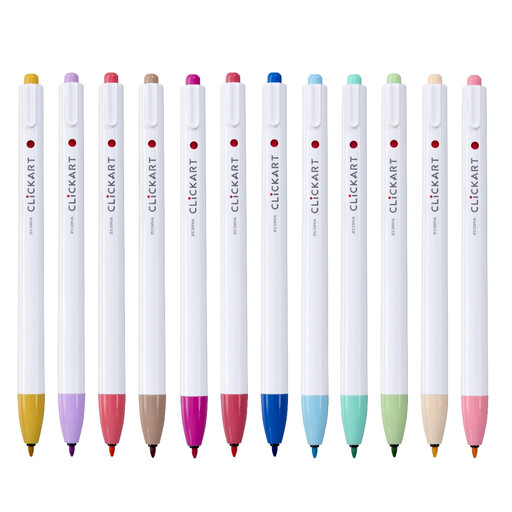
Why This Fits Their Persona: Perfect for UK-based bullet journal enthusiasts and students who need reliable, fine-line pens for daily planning and note-taking. The pastel palette is ideal for colour-coding without being overwhelming and the retractable design is convenient for use on the go.
The capless, retractable design directly solves the "quick-dry" problem caused by lost caps. Its water-based ink is formulated for paper, minimising the risk of the "bleed-through nightmare" in journals and planners.
Features innovative "Moist Keep Ink" technology that absorbs moisture from the air to prevent the tip from drying out. The 0.6mm fine point offers excellent precision for writing and detail work.
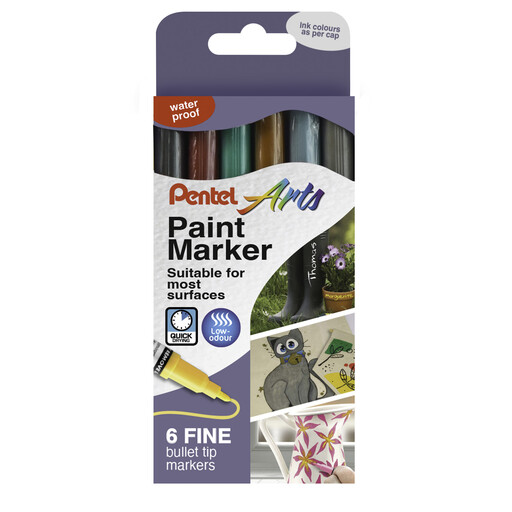
Why This Fits Their Persona: An excellent choice for hobbyists and crafters who work with diverse materials. Whether decorating glass jars, personalising plastic models or creating signs on metal, these markers provide vibrant, opaque coverage where standard pens would fail.
This is a specialist tool that debunks the "all-surface" myth. Its pigment-based paint ink is specifically formulated for permanent adhesion to non-porous surfaces like glass, metal and plastic, providing a durable finish.
The permanent, opaque pigment ink delivers excellent, vibrant coverage on both light and dark surfaces. The durable aluminium barrel and 2.9mm bullet tip are built for consistent performance.
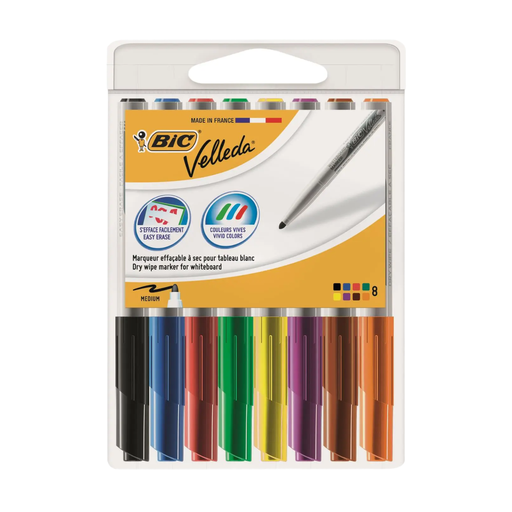
Why This Fits Their Persona: A reliable choice for teachers, office managers and anyone who relies on whiteboards for daily communication. These pens are designed for clarity, easy erasing and longevity in high-use environments.
The durable, blocked acrylic tip is designed to resist bending or retracting under pressure—a common failure point in cheaper whiteboard pens that makes them unusable long before the ink runs out.
Offers excellent erasability with its low-odour, dry-wipe ink. The large barrel provides a generous ink supply, ensuring it lasts through many meetings and lessons.
We have compiled a complete, real-time list of products that fully satisfy these strict selection criteria and UK safety regulations.
The best practice is to always replace the cap securely and immediately after use. Storing markers horizontally helps keep the ink evenly distributed and the tip saturated. For ultimate convenience, consider retractable models that have built-in seals to prevent drying without a separate cap.
While both are designed for longevity, they use different inks for different surfaces. A permanent marker typically uses a dye-based ink that soaks into porous surfaces like paper and cardboard. A paint marker uses opaque, pigment-based ink that sits on top of a surface, making it the correct choice for creating durable marks on non-porous materials like glass, metal and plastic.
Bleed-through is often caused by a combination of highly absorbent, thin paper and a very saturated ink formula. To avoid this, look for no bleed highlighters that use a gel or wax-based formula. Alternatively, choose highlighters with a lighter water-based ink and always test on an inconspicuous area of the page first.