
24/7 全天候客户支持

免费退货

当日/次日达

品质保障

开启新人专享福利: 全场免邮 | 低至 2 折 | 免费试用 30 天 JoyPlus 会员
下载 Joybuy
From an artist’s studio to a busy warehouse, the humble marker pen is an indispensable tool. Yet, choosing the right one can be surprisingly complex. With so many types available, it is easy to end up with a set of pens that bleed through paper, dry out in weeks or simply aren't suited for your task. As the Joybuy Product Recommendation Officer, my role is to help you navigate the options and find the right tool for the job without the marketing fluff.
Before you add another pack of pens to your basket, let's look at the common pitfalls that lead to disappointment and wasted money.
washable markers for kids that leave stubborn stains on school uniforms or furniture. The term "washable" is not standardised, and its effectiveness varies wildly between brands and fabric types.calligraphy project, as the line weight you get is not what you expected.To avoid these issues, focus on three key specifications: ink type, tip design and intended surface. Getting these right is the first step to a successful purchase.
The ink inside a marker dictates its permanence, vibrancy and how it behaves on paper.
colouring pens and felt tip pens for general use. It has a low odour, is less likely to bleed through standard paper and is often the basis for washable formulas. Many brush pens for artists use water-based ink because it can be blended with water to create subtle watercolour effects.permanent markers, this ink is vibrant, quick-drying and water-resistant. It adheres to a wide range of surfaces, including plastic, glass and metal. However, it has a strong odour and is prone to bleeding through thinner paper, so it requires a careful choice of surface.acrylic paint pens and industrial paint markers. It provides excellent coverage, even on dark or non-porous surfaces. These markers often have a valve-action mechanism that you need to press to start the ink flow. They are ideal for craft projects, industrial labelling and any application where a solid, durable mark is needed.The tip, or nib, determines the kind of line you can create. Many modern sets now include dual tip markers to offer greater versatility in a single pen.
Always check what surfaces a marker is designed for. Using the wrong pen can lead to poor results or even damage the surface. For example, only use whiteboard markers with dry-erase ink on whiteboards; a permanent marker will leave a mark that is very difficult to remove. Similarly, for marking on glass or blackboards, a wet-erase chalk marker is a much better choice than a standard felt tip.
To help you find a marker that truly fits your needs, we have matched some options to common user profiles.
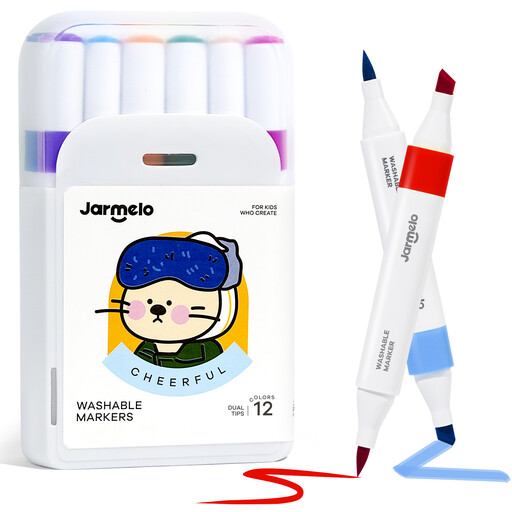
Why This Fits Their Persona: This set is designed with young children in mind. The ergonomic oval barrel is easy for small hands to grip, and the included storage case helps keep things tidy. The dual tips provide creative flexibility for both colouring and drawing.
It directly counters the "washable" myth with a non-toxic, water-based ink that is stated to be 90% washable from skin and most fabrics. The ventilated safety caps also address a key safety concern for parents.
Highly washable ink for low-mess creativity. Child-safe design with an ergonomic grip and ventilated caps.
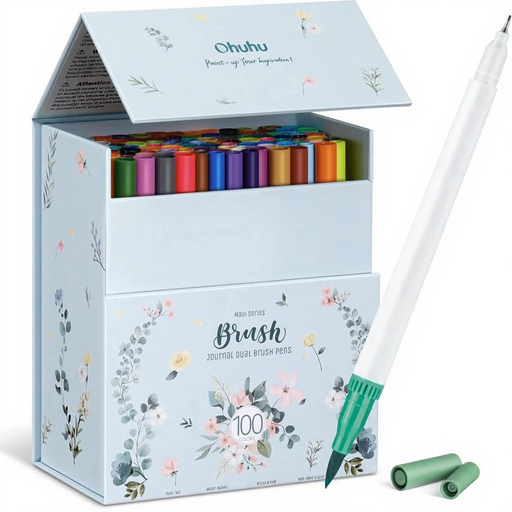
Why This Fits Their Persona: For those serious about adult colouring, illustration or journaling, a wide colour palette is essential. This set provides 100 vibrant colours, and the dual-tip design offers both a 0.4mm fineliner for details and a flexible brush for shading and filling.
This set tackles the "vague tip" problem by providing two distinct and functional tips on each pen. The inclusion of replacement tips and a DIY swatch card shows a focus on usability and longevity for serious hobbyists.
An extensive 100-colour range. Versatile dual tips (fineliner and brush) for varied artistic techniques.
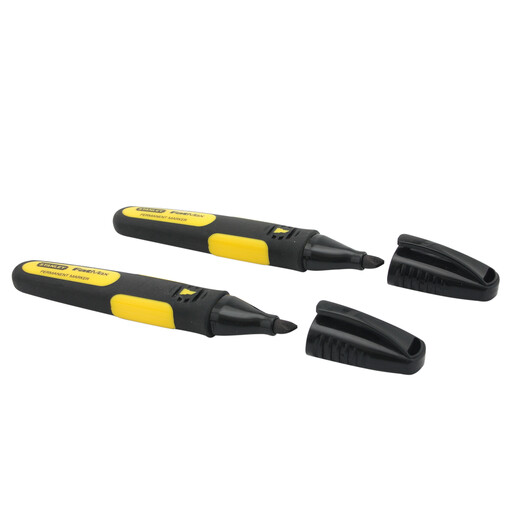
Why This Fits Their Persona: In a warehouse, workshop or busy office, you need a reliable tool that just works. This marker's permanent, quick-drying ink is designed for clear, lasting marks on multiple surfaces like cardboard, plastic and metal, making it ideal for labelling and logistics.
This marker is built for durability, addressing the "rapid dry-out" problem with a robust design intended for heavy use. Its fade-resistant and waterproof ink ensures that important information remains legible over time.
Durable, permanent ink that is quick-drying and smudge-proof. The versatile chisel tip works for both broad and fine marking.
We have compiled a complete, real-time list of products that fully satisfy these strict selection criteria and UK safety regulations.
1. How can I make my marker pens last longer? To maximise the life of your markers, always replace the cap tightly and immediately after use. For most markers, especially dual-tip and paint-based types, storing them horizontally helps ensure even ink flow to the tip(s). Avoid leaving them in direct sunlight or extreme temperatures, as this can cause the ink to dry out or degrade.
2. What is the main difference between alcohol and water-based markers? The key difference lies in the solvent used for the ink, which affects their properties. Alcohol-based markers use alcohol as a solvent, making the ink permanent, quick-drying and water-resistant. They are known for smooth blending and vibrant colours but can bleed through paper. Water-based markers use water and glycerine, making them low-odour, less likely to bleed and often washable. They are great for paper crafts and can be manipulated with water for artistic effects.
3. Can I use any marker on a whiteboard? No, you must only use markers specifically labelled as whiteboard markers or "dry-erase" markers. These contain a special ink formula with a release agent that prevents it from bonding with the non-porous surface of the board, allowing it to be wiped away easily. Using a permanent marker or any other type of pen will stain the board, potentially permanently.