
24/7 全天候客户支持

免费退货

当日/次日达

品质保障

开启新人专享福利: 全场免邮 | 低至 2 折 | 免费试用 30 天 JoyPlus 会员
下载 Joybuy
From office presentations to children's art projects and industrial labelling, the humble marker pen is an indispensable tool. Yet, choosing the right one can be surprisingly difficult. With so many types available, it is easy to end up with a pen that smudges, fades or simply does not work on your intended surface. This guide will help you navigate the common pitfalls and identify the key features to look for, ensuring your next purchase is fit for purpose.
Before you buy, be aware of these frequent issues that can lead to frustration and wasted money.
washable felt tips for kids, but their ink can set permanently into certain fabrics or surfaces, turning a creative afternoon into a cleaning nightmare. The term "washable" is not standardised, and performance varies wildly between brands.whiteboard markers with inks that bond too strongly to the board's surface, making it look perpetually dirty.permanent marker that fades after a few weeks of sun or rain exposure is useless. Many consumer-grade permanent markers are only permanent on paper and will quickly degrade on plastic, metal or outdoor surfaces.To avoid these traps, focus on three essential specifications. Understanding these will empower you to select the right tool for any task.
The type of ink is the single most important factor determining a marker's use.
colouring pens for adults, children's markers and highlighters. It is typically low-odour and less likely to bleed through standard paper. For children's products, look for specific non-toxic and highly washable formulas.permanent markers and many professional art pens. It is quick-drying, water-resistant, and adheres to a wide variety of surfaces, including plastic and metal. However, it often has a strong odour and can bleed through thin paper.chalk pens for glass, which provide an opaque, paint-like finish but can be wiped away.The nib of the marker dictates the kind of line you can create.
Fine liner pens fall into this category, offering precision for technical drawing and journaling.dual tip markers combine a brush tip with a fine liner for maximum versatility.Always match your marker to the surface. Using the wrong pen is the primary cause of smudging, fading and ghosting.
Based on these practical considerations, here are some marker pens suited for distinct needs and user profiles.
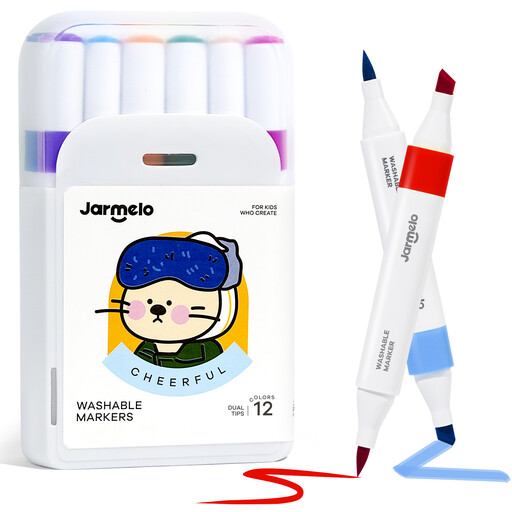
Why This Fits Their Persona: Designed with safety and convenience in mind for family use. The thick, ergonomic barrel is easy for small hands to grip and the included storage case helps keep things tidy after playtime.
This set directly addresses the "washable pen that stains" pitfall. Its water-based ink is formulated to be 90% washable from skin and most common fabrics, offering peace of mind during creative sessions.
Features a dual-tip design (brush and chisel) for creative versatility. The caps are ventilated as a safety feature to reduce choking hazards.
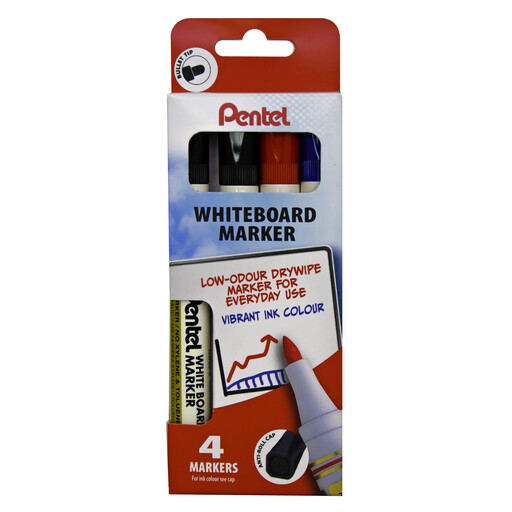
Why This Fits Their Persona: A reliable workhorse for daily use in meetings, lectures and brainstorming sessions. The bullet tip provides a consistent line width for clear, legible notes that are visible from a distance.
This marker's vibrant, pigment-based ink is designed for easy wiping from whiteboards and porcelain boards, helping to prevent the "ghosting" effect that plagues lower-quality pens.
Features a unique anti-roll cap, a small but practical design detail that stops the pen from rolling off a sloped desk or lectern. The ink is vivid for high visibility.
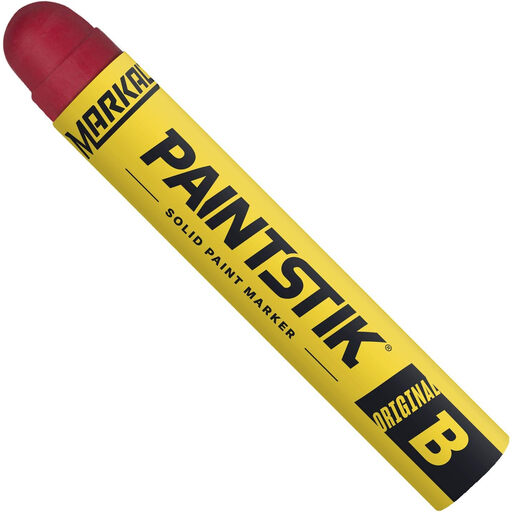
Why This Fits Their Persona: This is a specialised tool for industrial and construction environments. It is designed for marking on tough surfaces like metal, concrete, wood and plastic, where a standard marker would fail.
It solves the "permanent marker that isn't" problem. The solid paint formula is weather-resistant, ensuring marks remain visible and durable for long periods, even in outdoor conditions.
The solid paint stick format means no drips, no mess and no tip to dry out. It provides a highly visible, opaque mark on almost any surface, rough or smooth.
We have compiled a complete, real-time list of products that fully satisfy these strict selection criteria and UK safety regulations.
The most effective method is to always replace the cap tightly and immediately after use. For dual-tip markers and many types of whiteboard markers, storing them horizontally helps ensure even ink flow to both ends and prevents the tips from drying out prematurely. Avoid leaving them in direct sunlight or hot environments like a car.
Both are designed for non-porous surfaces like whiteboards and glass. A dry-erase marker uses an alcohol-based ink with a release agent that allows it to be wiped off with a dry cloth or eraser. A wet-erase marker, like a chalk pen, uses a paste-based ink that, once dry, is more resistant to smudging but requires a damp cloth for removal. Wet-erase is often used for signage like cafe menus that need to be durable but changeable.
You should not. Permanent marker ink is designed to bond with surfaces and lacks the release agent found in dry-erase ink. Using it on a whiteboard will leave a mark that cannot be removed with a standard eraser. If this happens by accident, you can sometimes remove the permanent ink by drawing over it completely with a dry-erase marker and then wiping it all away, but this is not guaranteed to work and can damage the board's surface.