
24/7 Customer Support

Free returns

Same-day & Next-day Delivery

Quality Guaranteed

Unlock Your Welcome Offers: FREE Delivery | Up to 80% OFF | Free 30-day JoyPlus trial
Download the APP
From labelling moving boxes to creating vibrant artwork, the humble marker pen is a surprisingly versatile tool. Yet, choosing the right one can feel like a gamble. We’ve all been there: a ‘permanent’ marker that fades in a week, a set of art pens that dry out after one use, or a chalk marker that permanently stains your new café blackboard. These common issues lead to wasted money and frustration.
As the Joybuy Product Recommendation Officer, my role is to help you navigate the market and find the right tool for your specific task. This guide will break down the essential features to look for and highlight the common pitfalls to avoid, ensuring your next purchase is a lasting one.
Before you add any marker to your basket, be aware of these frequent marketing traps and product flaws that catch out many UK shoppers.
To avoid these pitfalls, focus on two core specifications: the ink formulation and the tip design. Matching these to your task is the key to a successful purchase.
The ink is the heart of the marker. Its chemical makeup determines what surfaces it will stick to and how long it will last.
The tip dictates the kind of line you can create.
Based on these critical parameters, here are some recommendations matched to specific user needs.
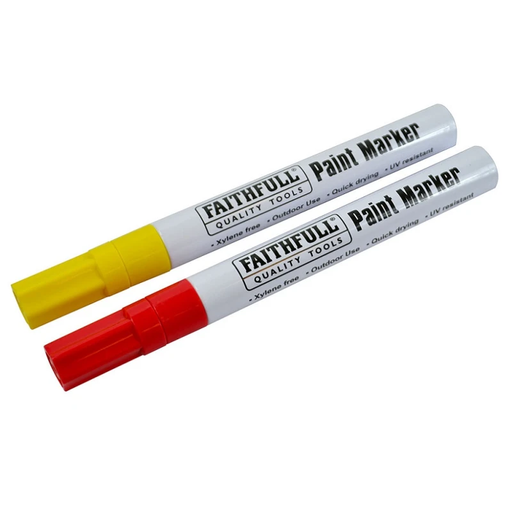
Why This Fits Their Persona: For construction workers, mechanics, or warehouse staff, a marker needs to be tough and reliable. These high-visibility paint markers are designed for demanding environments, leaving clear marks on metal, wood and plastic.
It bypasses the "permanent illusion" by using oil-based ink, which offers true permanence and opacity on the non-porous surfaces where standard markers fail.
The quick-drying, fade-resistant formula ensures markings last, while the robust tip withstands rough surfaces. The bright yellow and red colours offer high visibility.
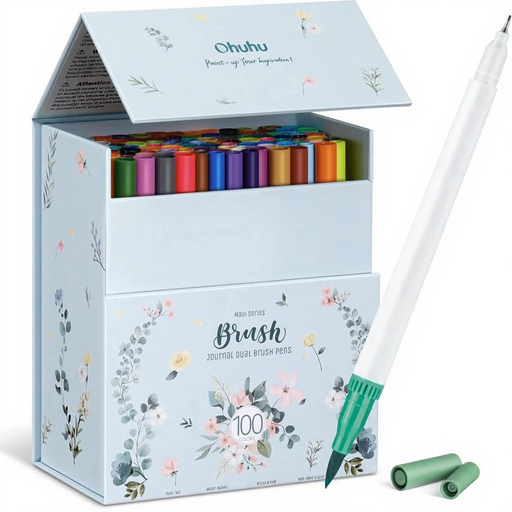
Why This Fits Their Persona: For artists, illustrators and adult colouring enthusiasts, versatility and colour range are paramount. This set provides a huge palette and the flexibility of two different tips in every pen.
This set defeats the "one-size-fits-all" myth by being a specialised tool for creativity. The dual tip (fine and brush) design and water-based ink are specifically chosen for artistic applications on paper.
It offers a massive range of 100 vibrant colours and the ability to create both precise lines and broad, blendable strokes. The included storage case and replacement tips add to its long-term value.
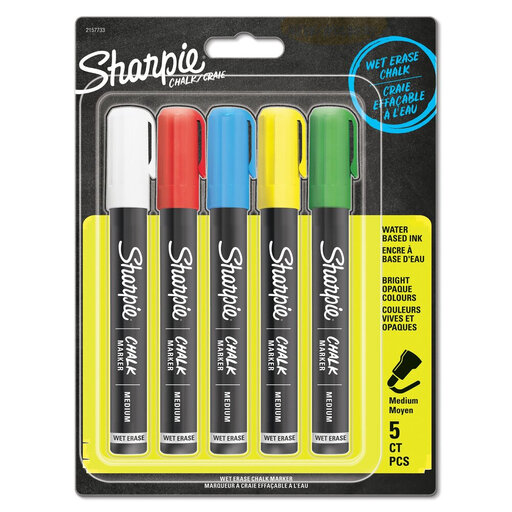
Why This Fits Their Persona: Business owners need to create eye-catching, temporary displays for menus, promotions, or information. These markers provide the bright, bold look of chalk without the dust, and can be changed in an instant.
This is a purpose-built tool. Instead of risking a permanent marker on a valuable sign, these wet erase markers are designed for non-porous surfaces like glass boards and windows, wiping off cleanly with a damp cloth.
They deliver vibrant, opaque colour that stands out on dark surfaces. The easy removal allows for quick updates to daily specials or sales without any ghosting or staining.
We have compiled a complete, real-time list of products that fully satisfy these strict selection criteria and UK safety regulations.
1. How can I make my marker pens last longer? Three simple habits make a big difference. First, always replace the cap tightly immediately after use to create an airtight seal. Second, store your markers horizontally. This ensures the ink is evenly distributed across the wick and doesn't pool at one end. Finally, keep them in a cool, dry place away from direct sunlight, as heat can cause the ink to dry out faster.
2. Why won't my permanent marker write on certain plastics? This is a common issue caused by surface energy. Some plastics, particularly smooth, glossy ones like certain types of packaging or plastic folders, have a low surface energy or may have release agents from the manufacturing process. This causes the alcohol-based ink to bead up rather than adhere. For these challenging surfaces, an oil-based paint marker is a much more reliable solution as its opaque ink is formulated to stick to virtually anything.
3. Can I use liquid chalk markers on a wall I've painted with chalkboard paint? It is not recommended. Liquid chalk markers are designed for non-porous surfaces like glass, metal, or traditional slate. Chalkboard paint creates a porous, textured surface. The liquid ink can soak into this paint and cause permanent staining or "ghosting" that won't come off, even with vigorous scrubbing. Always stick to traditional dry chalk for painted chalkboard surfaces.