
24/7 Customer Support

Free returns

Same-day & Next-day Delivery

Quality Guaranteed

Unlock Your Welcome Offers: FREE Delivery | Up to 80% OFF | Free 30-day JoyPlus trial
Download the APP
Buying a Marlborough Sauvignon Blanc case deal can make hosting easier and reduce the need for last-minute shopping. However, attractive discounts and familiar labels do not always tell you whether the wine suits your taste, occasion or storage plans.
This guide explains the practical details to check before ordering a Sauvignon Blanc case of 6, including bottle size, alcohol content, flavour profile and serving requirements. It also highlights selected options for different shopping priorities, from casual entertaining to seafood dinners.
New Zealand Sauvignon Blanc is often associated with crisp acidity, citrus and tropical fruit. Yet the balance can vary considerably. One bottle may lean towards passionfruit and mango, while another may show more lime, grapefruit, herbs or mineral character.
If you prefer a softer, rounded palate, a highly acidic style may feel sharper than expected. Conversely, those looking for a crisp white wine may find a less aromatic or fuller style underwhelming. Always check the tasting description rather than relying only on the Marlborough name.
A “case deal” does not automatically mean six bottles. Product pages can differ in their stated quantity, so confirm whether the listing contains six bottles, another case size or a single bottle. For example, the Oyster Bay case listing clearly states 6 x 75cl.
Checking the total volume also makes it easier to compare like for like. Six standard 75cl bottles provide 4.5 litres in total, while individual listings may have different delivery or promotional conditions.
Alcohol content affects both flavour and total units. A 13% ABV 75cl bottle contains approximately 9.75 UK units, while a 13.5% bottle contains approximately 10.1 units. Some options in this guide are listed at 12.5%, 13%, 13.5% or 13.72% ABV.
Marlborough Sauvignon Blanc also commonly contains sulphites, which must be declared as an allergen. If you are buying for guests, check the product information and packaging rather than assuming every bottle has identical ingredients.
Most New Zealand Sauvignon Blanc is sold in 75cl bottles, a practical size for dinner parties, gifts and weekly stock-ups. A case of six is useful for entertaining, but only if you have enough storage and expect to open the bottles within their recommended drinking window.
For a smaller household, buying individual Sauvignon Blanc 75cl bottles may provide more flexibility. For regular hosting, a wine case deal can offer convenience and fewer repeat orders.
Check both ABV and the stated UK units per bottle. A standard 125ml glass of wine will contain fewer units than a full bottle, but the exact amount depends on the wine’s alcohol percentage and serving size.
The UK Chief Medical Officers advise that adults should not regularly exceed 14 units per week. Wine should be enjoyed responsibly, and alcohol is not suitable for people under 18 or during pregnancy.
A classic tropical fruit Sauvignon Blanc may include passionfruit, guava, mango or rockmelon alongside lime, grapefruit and gooseberry. Herbal or grassy notes are also typical of the style.
For a fresh and lively expression, serve most chilled white wine at around 8–10°C, unless the product label specifies otherwise. Chilling too heavily can mute aroma, while serving too warm may make the alcohol feel more prominent.
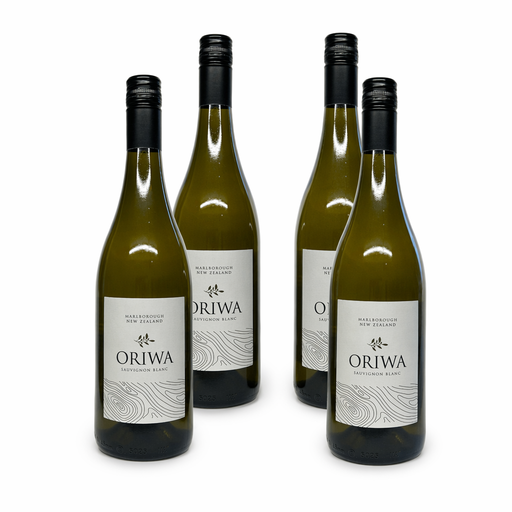
Why This Fits Their Persona: A case format suits shoppers building a home supply for casual meals, guests and weekend occasions, with a familiar Marlborough flavour profile.
The listing states 13.0% ABV and approximately 9.75 units per 75cl bottle, helping buyers compare strength before ordering.
Described with passionfruit, mango, citrus, grapefruit and gooseberry notes; contains 100% Sauvignon Blanc grapes and sulphites.
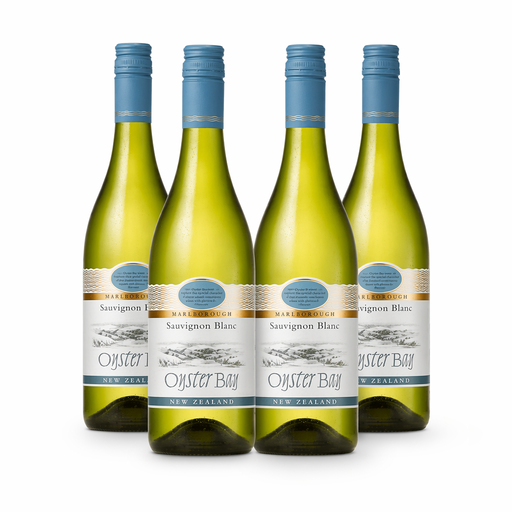
Why This Fits Their Persona: The clearly stated six-bottle format works for dinner hosting, gifting or shoppers who want a recognisable New Zealand wine style available at home.
The product page specifies 6 x 75cl, 12.5% ABV and approximately 9.375 UK units per bottle, making the case contents and strength transparent.
Listed as a Marlborough wine with tropical and citrus character; designed to be served chilled and contains sulphites.
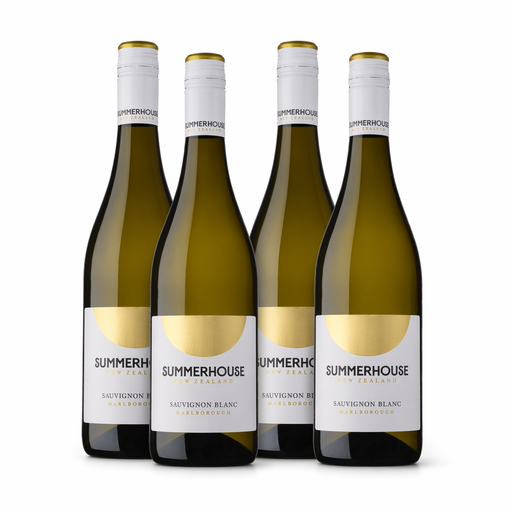
Why This Fits Their Persona: A practical choice for frequent hosts who want a seafood-friendly, chilled white wine for barbecues, salads, prawns or relaxed summer meals.
The listing identifies the Rapaura subregion, 13% ABV and a recommended serving temperature of 8–10°C, rather than relying only on broad regional wording.
Described with passionfruit, guava, grapefruit, lime, elderflower and green herb notes; the product page recommends seafood, goat’s cheese and salads.
We have compiled a complete, real-time list of products that fully satisfy these strict selection criteria and UK safety regulations.
Generally, the style’s acidity and citrus-led character can complement oysters, prawns, grilled fish and seafood salads. Product descriptions for the Rapaura Summerhouse and Mud House options specifically list seafood pairings. Match the final choice to the dish and your preferred level of acidity.
A case of 6 normally contains six 75cl bottles, but shoppers should verify the individual product page. The Oyster Bay case listing explicitly states 6 x 75cl. Do not assume every case deal uses the same quantity.
It is usually purchased for fresh, youthful fruit and acidity rather than long-term cellaring. Store unopened bottles correctly and follow the packaging guidance. Once opened, reseal and refrigerate, then consume within the timeframe shown on the product listing or label.