
24/7 Customer Support

Free returns

Same-day & Next-day Delivery

Quality Guaranteed

Unlock Your Welcome Offers: FREE Delivery | Up to 80% OFF | Free 30-day JoyPlus trial
Download the APP
Marlborough Sauvignon Blanc is a popular choice for UK drinkers who want a crisp white wine with fresh citrus, tropical fruit and lively acidity. It can suit a seafood supper, a summer gathering or a chilled glass before dinner. However, attractive tasting notes and familiar labels do not always tell you whether a bottle or case is right for your needs.
As the Joybuy Product Recommendation Officer, I focus on practical details that help shoppers avoid paying for features they will not use.
The grape variety gives a useful starting point, but region, climate and winemaking style influence the final wine. A Marlborough Sauvignon Blanc from New Zealand may show passion fruit, grapefruit, lime, gooseberry or fresh herbal notes. A Bordeaux or Languedoc Sauvignon Blanc may feel more citrus-led, rounded or less overtly tropical.
If you prefer a highly refreshing style, look for clear references to bright acidity, citrus or tropical fruit. If sharp acidity is not your preference, consider a description mentioning a rounder palate or medium body rather than relying only on the word “Sauvignon”.
A “case deal” is not automatically better value. Check the number of bottles, bottle size and alcohol units per bottle before comparing the total cost. A standard full-size bottle is usually 75cl, while smaller formats may be more suitable for occasional drinking but offer less wine overall.
For hosts and regular drinkers, a six-bottle case can reduce repeat shopping. For someone trying a style for the first time, one 75cl bottle may be a more sensible purchase.
Sauvignon Blanc is generally enjoyed chilled, but excessively cold serving can mute aroma and flavour. Many product labels recommend serving at around 8–10°C. Once opened, reseal the bottle, refrigerate it and follow the product guidance for consumption.
Wine commonly contains sulphites, which must be declared as an allergen where applicable. Always read the bottle label and product page, particularly if you have a known sensitivity. Alcohol should be enjoyed responsibly; the UK Chief Medical Officers advise adults not to regularly exceed 14 units per week.
Marlborough, New Zealand is associated with bright, aromatic Sauvignon Blanc. Descriptions may include passion fruit, lime, grapefruit, gooseberry, fresh herbs and mineral notes. These are tasting descriptors rather than guarantees, so use them to identify the style you are likely to enjoy.
For a fruity white wine with a lively finish, New Zealand Sauvignon Blanc is a natural place to start. If you want a broader selection of regional styles, compare it with French Sauvignon Blanc from Bordeaux or the Languedoc.
Check whether the listing is for Sauvignon Blanc 75cl, a smaller bottle or a multi-bottle case. ABV also varies. The products below range from around 12.5% to 14% ABV, with the corresponding UK units shown on the supplied product information.
A 125ml glass may contain roughly 1.6–1.8 units depending on the wine’s ABV. Pouring size matters, especially when serving guests or monitoring weekly consumption.
A crisp white wine can work well with oysters, prawns, grilled fish, salads, goat’s cheese and lighter Asian-inspired dishes. Look for a more aromatic, high-acid style when buying wine for seafood. For a general-purpose bottle, descriptions mentioning aperitif serving, salads and poultry suggest broader everyday use.
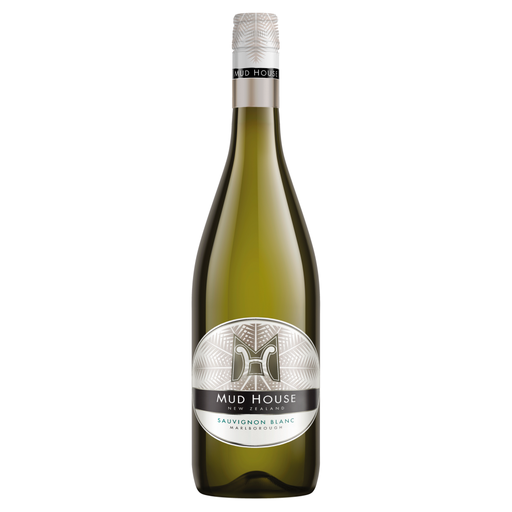
Why This Fits Their Persona: A single 75cl bottle offers a practical way to explore Marlborough Sauvignon Blanc without committing to a case. It is suitable for a casual dinner, aperitif or first purchase.
The listing clearly gives the 75cl format, 13.5% ABV and approximately 10.1 UK units per bottle, helping shoppers compare responsibly.
Passion fruit, lime peel and fresh herb descriptors; suggested pairings include seafood, goat’s cheese and salads.
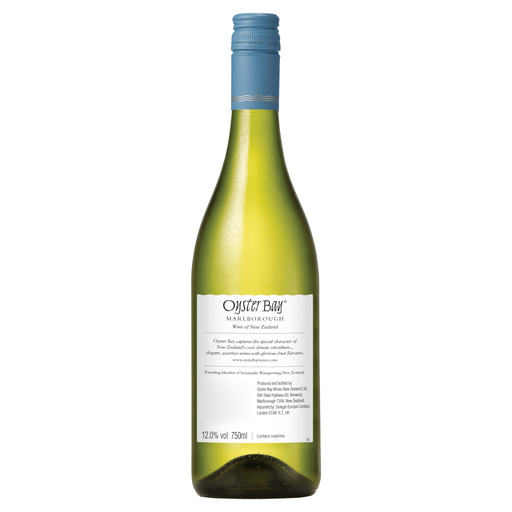
Why This Fits Their Persona: A single bottle with a clearly stated Marlborough origin works for a dinner-party host or shopper seeking a recognisable New Zealand style.
The listing provides 75cl volume, 12.5% ABV, 9.375 UK units and guidance to reseal and refrigerate after opening.
Tropical fruit and bright citrus descriptors; suitable for lighter meals, fresh Asian flavours and seafood.
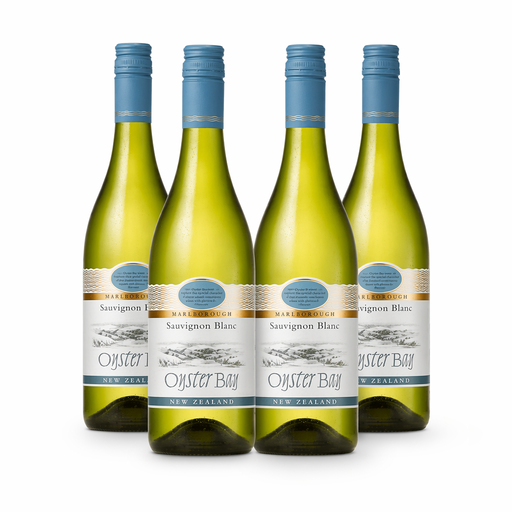
Why This Fits Their Persona: Six full-size bottles are practical for regular entertaining, shared meals or keeping a chilled white wine available at home.
The pack quantity and bottle size are stated clearly, preventing confusion between a case and a single bottle.
Six 75cl bottles; 12.5% ABV and 9.375 UK units per bottle, with chilled serving guidance.
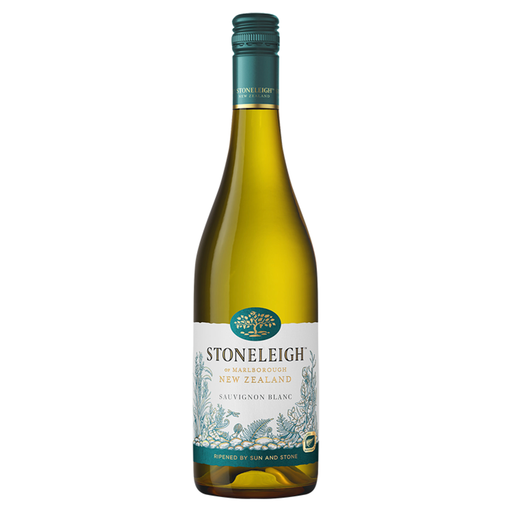
Why This Fits Their Persona: Its listed citrus, tropical fruit and mineral descriptors suit shoppers planning seafood, goat’s cheese or outdoor dining.
The product information identifies the 75cl format, sulphite allergen and 13.5% ABV rather than relying only on promotional tasting language.
Suggested pairings include oysters, grilled scallops, goat’s cheese salad and seafood pasta; storage guidance is provided.
We have compiled a complete, real-time list of products that fully satisfy these strict selection criteria and UK safety regulations.
Serve it chilled, commonly around 8–10°C, depending on the product guidance. Take it out briefly if the aroma seems muted. After opening, reseal and refrigerate, then follow the label’s recommended timeframe.
Its usual combination of acidity and citrus or herbal notes can complement oysters, prawns, grilled fish and lighter seafood dishes. The final match depends on the recipe, sauce and level of spice.
It may offer a lower cost per bottle, but compare the total bottle count, 75cl volume, delivery charges and ABV before deciding. A case is most practical when you expect to use several bottles within the recommended storage period.