Runners planning long-run fuel
If your run lasts more than an hour, work out how you will carry carbohydrate and fluids throughout it. The size of a chocolate bar alone does not tell you whether it fits that plan.


Mini chocolate bars can be a portioned snack around training, but they should not be your default fuel plan for a long run or marathon. World Athletics advises planning carbohydrate and fluid intake for prolonged events; if you want to carry chocolate, compare its per-bar nutrition and ingredients, and try the exact product during training before relying on it while running.
If your run lasts more than an hour, work out how you will carry carbohydrate and fluids throughout it. The size of a chocolate bar alone does not tell you whether it fits that plan.
For a snack around training, compare the carbohydrate and fat in one bar or finger, not just the weight of the multipack. Check whether the portion you intend to carry is separately wrapped.
Read the label on the exact flavour and pack you intend to buy. Ingredients and allergen information matter especially when comparing chocolate, biscuit bars and mixed multipacks.
Start with the length of the run, then compare portions and packaging if chocolate is the snack you want to carry.
| Priority | What to check | Your needs |
|---|---|---|
| Long-run plan | World Athletics lists 30–60 g carbohydrate per hour for endurance events lasting 1–2.5 hours, and up to 90 g per hour for events over 2.5 hours. Plan fluids separately; one small chocolate bar is not a fluid plan. | For a long run, I need to know how much carbohydrate I intend to carry each hour and how I will drink during the session. |
| Nutrition per portion | Compare the serving weight, carbohydrate and fat for the portion you will actually eat. Tesco Groceries lists 13 g carbohydrate and 2.8 g fat for an 18 g Mars funsize portion, versus 19 g carbohydrate and 4.5 g fat for a 26.1 g Cadbury Crunchie treatsize portion; these are different-sized servings. | A multipack weight will not tell me what one bar contributes. I want the figures for the individual portion before deciding what to carry. |
| Carrying format | Check whether each intended portion is wrapped and whether a twin pack contains more than you plan to eat at once. Practise opening and eating the chosen format during training. | If I want a small snack on a run, I need a portion I can carry and use without relying on an untried format on race day. |
| Ingredients | Read the current ingredients and allergen information for the exact bar and multipack. GOV.UK states that regulated allergens used as ingredients in prepacked food must be clearly labelled. | When an ingredient matters to me, a familiar brand name is not enough: I need to check this particular product’s label. |
An 18 g Mars funsize bar contains 13 g carbohydrate according to Tesco Groceries. That is one portion to account for, not a substitute for planning hourly intake and fluids for a prolonged run.
Set out your carbohydrate and fluid plan first, using World Athletics’ duration-based guidance, and practise any food you intend to use while running.
The named portions differ in size and nutrition: Tesco Groceries lists 13 g carbohydrate for an 18 g Mars funsize bar and 19 g for a 26.1 g Cadbury Crunchie treatsize portion.
Compare the nutrition for one bar or finger, rather than using the word “mini” or the total multipack weight as your measure.
Different flavours and formats need their own ingredient checks. GOV.UK says regulated allergens used as ingredients in prepacked food must be clearly labelled.
Read the current label of the exact product you plan to carry, including its allergen information.
These examples illustrate different portion formats; a brand name does not establish how a particular bar fits a running plan.
Cadbury’s treatsize range includes several distinct chocolate-bar formats.
Mars funsize bars are one portioned chocolate option in a variety pack.
Snickers is another chocolate-bar format represented in the researched variety-pack range.
Twix combines chocolate, caramel and biscuit in portioned formats.
The 2 Finger Milk format is a chocolate biscuit bar with a defined 20.7 g serving.
These bars and multipacks are options to compare for a portioned snack around training. Their serving formats differ, and none replaces planning carbohydrate and fluids for a long run.
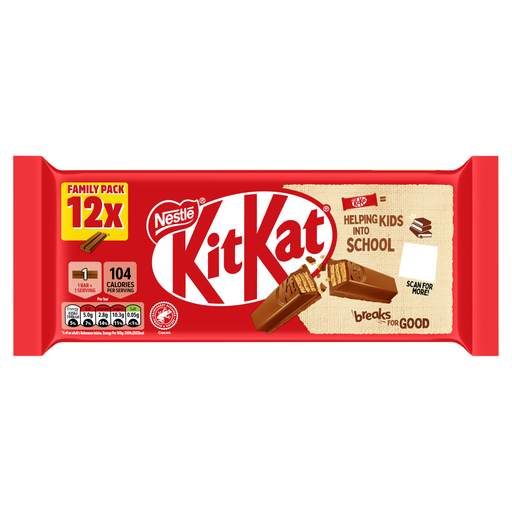 Image unavailable
For a defined snack portion, each 20.7 g bar provides 12.9 g carbohydrate and 5.0 g fat according to the Joybuy product information. The pack contains 12 bars. It contains milk and wheat; check the current pack if either ingredient matters to you.
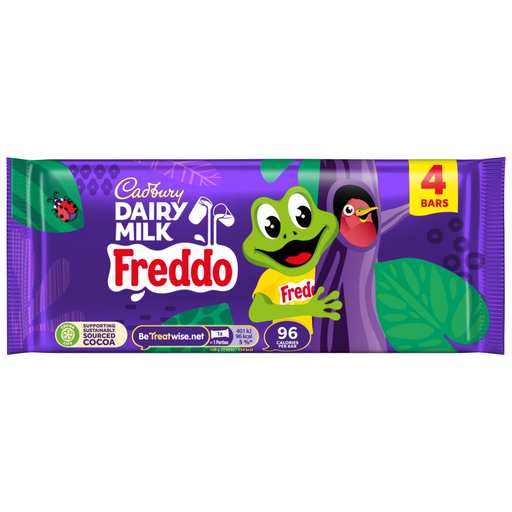 Image unavailable
For carrying a small chocolate snack, the 72 g pack contains four individually foil-wrapped 18 g bars. Check the current pack’s portion nutrition before using a bar in a carbohydrate plan. It contains milk and may contain nuts.
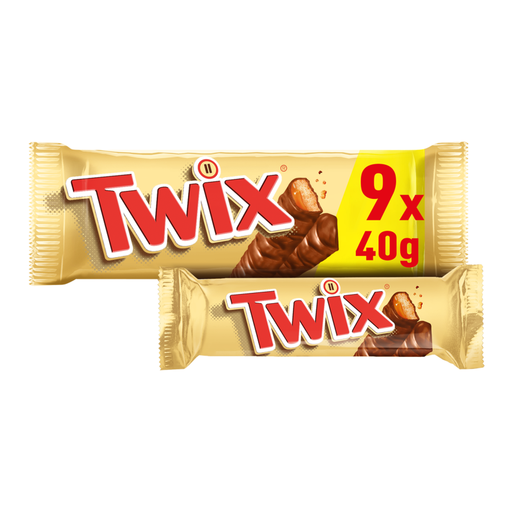 Image unavailable
Each twin pack contains two 20 g fingers, giving you a defined finger size to compare with other snacks. Check the current pack for nutrition per finger and how you would carry a single finger. The product information lists milk, soya and wheat among its ingredients.
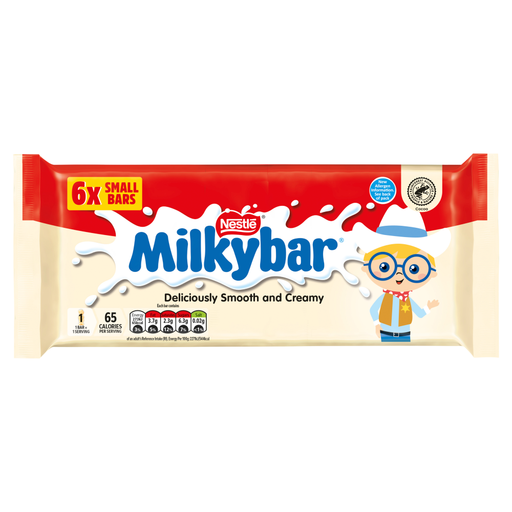 Image unavailable
This six-pack is a white chocolate snack option. If you need a particular portion for carrying or carbohydrate planning, check the individual bar size, nutrition and wrapping on the current pack. It contains milk and may contain gluten.
Do not rely on them as a default replacement. World Athletics lists 30–60 g carbohydrate per hour for endurance events lasting 1–2.5 hours and up to 90 g per hour for events over 2.5 hours; it also advises replacing fluids during prolonged events. Compare any bar’s per-portion carbohydrate with your plan, arrange fluids separately and practise your chosen approach in training.
Compare the portion you would actually eat, rather than choosing by brand or multipack weight. Tesco Groceries lists 13 g carbohydrate and 2.8 g fat for an 18 g Mars funsize bar, while Joybuy lists 12.9 g carbohydrate and 5.0 g fat for a 20.7 g KitKat 2 Finger Milk bar. The figures describe different products and do not establish how either will feel during a run.
Try the exact product and timing during an ordinary training session rather than for the first time before a demanding run. Chocolate portions contain fat as well as carbohydrate, and whether a particular food is comfortable while running cannot be determined from its nutrition figures alone.
Read the ingredients and allergen information on the current pack for the exact flavour and format. GOV.UK states that regulated allergens used as ingredients in prepacked food must be clearly labelled; do not assume another bar from the same brand has the same ingredients.