Who might consider a bar?
A bar is worth considering in the context of what you have already eaten and what you want from a snack before training.
People wanting a small snack before training
If you have already eaten a meal, a portable bar may be a convenient carbohydrate-containing snack. The UK Sports Institute includes compact carbohydrate foods among options before or during exercise; compare the actual amount per bar rather than assuming all marshmallow-style products are alike.
People comparing carbohydrate and protein
The distinction matters when deciding between a confectionery-style bar and a protein crispy square. Tesco lists 27.1g carbohydrate and 1.6g protein per 35g Mallow & Marsh Vanilla & Milk Chocolate bar, compared with 13g carbohydrate and 5.9g protein per 30g Myprotein Crispy Square.
People checking dietary suitability
Gelatine source and allergen declarations differ between products. Check the current packet for ingredients and precautionary allergen wording, particularly when changing flavour or format. Anyone purchasing food for a school setting in England should also check the rules that apply to that setting.
What should you check before choosing?
Decide whether carbohydrate, protein or a smaller bar portion matters most, then check the figures and ingredients for the exact product.
| Priority |
What to check |
Your needs |
| Carbohydrate and timing |
Read carbohydrate per bar, the bar size and what else you have eaten. Tesco lists 27.1g per 35g Mallow & Marsh Vanilla & Milk Chocolate bar and 13g per 30g Myprotein Crispy Square. |
I want a small carbohydrate-containing snack before training, rather than relying on one bar as my whole pre-training meal. |
| Protein |
Compare protein per bar, not just words on the front of the pack. Tesco lists 5.9g in the 30g Myprotein square and 1.6g in the 35g Mallow & Marsh Vanilla & Milk Chocolate bar. |
If protein is the reason I am choosing a bar, I want to know how much the particular bar contains. |
| Ingredients and allergens |
Check the current ingredient list, gelatine source, declared allergens and any “may contain” wording. Do not apply one flavour’s declaration to another. |
Milk, soya, gluten, nuts, egg or animal-derived gelatine may affect which products I can choose. |
| Portion and current label |
Compare the weight of one bar with the pack quantity, and read the nutrition and allergen information on the packet you receive. |
A smaller portion may suit what I want before a session, but I still need the figures for that specific bar. |
Brand and product-format references
These examples show why the exact bar matters: a chocolate-coated marshmallow bar, a protein crispy square and a cereal bar with marshmallow flavouring are not interchangeable descriptions.
Mallow & Marsh
Chocolate-coated marshmallow bars, including the Vanilla & Milk Chocolate product listed by Tesco.
- Tesco declares 27.1g carbohydrate per 35g Vanilla & Milk Chocolate bar.
- That bar contains beef gelatine, milk and soya; check its current allergen statement. The separately listed Raspberry Dark Chocolate bar should not be assumed to have the same ingredients or nutrition.
Myprotein
The Crispy Square Marshmallow is a 30g protein bar with a marshmallow component.
- Tesco declares 5.9g protein and 13g carbohydrate per 30g bar.
- The listing states that it contains sweeteners and is not suitable for vegetarians; check the packet for its full ingredient and allergen declarations.
Bliss
Tesco lists Crispy Mallow Chewy Marshmallow Bars as a pack of five 19g bars.
- The stated bar size helps when comparing portions.
- Check the packet’s nutrition, ingredients and allergens before choosing it for a particular pre-workout need.
Kellogg's Rice Krispies Squares
A rice-cereal snack bar with a marshmallow-flavoured coating, rather than a conventional marshmallow bar.
- The cereal-bar format offers a different texture from a chocolate-coated marshmallow bar.
- Tesco’s description of its listed Marshmallow Snack Bars says they contain wheat gluten. Check the declaration on the exact pack and size you buy.
Joybuy product options
The option below is a marshmallow-flavoured cereal bar for shoppers considering a bar-sized snack before training, not a conventional marshmallow bar.
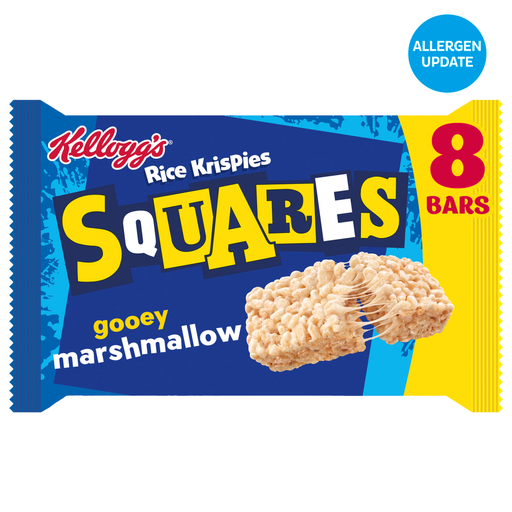 Image unavailable
Kellogg's Rice Krispies Squares Marshmallow Snack Bars, 8 x 28g
For a bar-sized snack before training, compare the carbohydrate declaration with what you need from that snack. This pack contains eight 28g bars. It is a rice-cereal bar with a marshmallow-flavoured coating rather than a conventional marshmallow bar; check the current packet for ingredients, allergens and whether the bars are individually wrapped.
View on Joybuy
Questions about pre-workout bars
Can I have a marshmallow-style bar before a workout?
A small carbohydrate-containing bar can be one snack option before exercise if it fits with what you have already eaten. The UK Sports Institute includes compact carbohydrate foods among pre-exercise options; that does not make a marshmallow-style bar a replacement for a more substantial meal.
How do a chocolate marshmallow bar and a protein crispy square differ?
The named products have different per-bar declarations: Tesco lists 27.1g carbohydrate and 1.6g protein for the 35g Mallow & Marsh Vanilla & Milk Chocolate bar, versus 13g carbohydrate and 5.9g protein for the 30g Myprotein Crispy Square. Choose according to which figure matters for your snack, and check the current packet.
How can I check allergens and vegetarian suitability?
Read the ingredients and allergen statements on the exact packet. Tesco lists beef gelatine in the Mallow & Marsh Vanilla & Milk Chocolate bar and labels the Myprotein Crispy Square as unsuitable for vegetarians. Check “may contain” wording as well as declared ingredients, especially when changing products.
Do England’s school-food rules ban adults from buying these bars?
No: school-food requirements concern food supplied in the relevant school setting, not an all-UK ban on adults buying snacks. England’s 2014 school-food regulations define confectionery to include cereal bars and chocolate-coated products. For school purchasing, check the applicable rules; the Department for Education has announced revised standards for September 2027, subject to Parliamentary approval.


