People planning several lunches
A case can keep separate bags unopened until they are needed. Amazon UK lists a Haribo case of 12 × 140g bags, but each bag is a sharing size rather than a measured lunchbox portion.


Choose a case when several sealed bags will be used across repeated lunches; a 12 × 140g Haribo case listed by Amazon UK contains separate sharing bags, not measured lunchbox portions. For occasional use, a single pouch lets you decide how much to pack without opening a case. Check the current label for ingredients, allergens and sugars, particularly when the eater has dietary requirements.
The useful distinction is between keeping unopened bags for later lunches and portioning from one pouch now.
A case can keep separate bags unopened until they are needed. Amazon UK lists a Haribo case of 12 × 140g bags, but each bag is a sharing size rather than a measured lunchbox portion.
Check the gelling ingredient before choosing a pack size. Waitrose lists beef gelatine in its Pink and White Marshmallows, while M&S labels its Plant Kitchen marshmallows vegan.
Choose an amount deliberately and check the setting’s food policy. NHS Healthier Families advises checking nutrition labels for packaged children’s snacks; M&S warns that its vegan marshmallows are not suitable for children under 36 months because of a potential choking hazard.
Start with the number and size of the sealed bags, then check whether the ingredients and nutrition information suit the person eating them.
| Priority | What to check | Your needs |
|---|---|---|
| Pack format | Check the number of sealed bags and the weight of each. Amazon UK lists a 12 × 140g Haribo case; its 140g bags are not measured single-lunch portions. | I want unopened bags for several lunches, or one pouch from which I can pack a chosen amount. |
| Dietary suitability | Read the current ingredients, dietary statement and allergen information. Waitrose lists beef gelatine in its Pink and White Marshmallows; M&S labels its Plant Kitchen pouch vegan. | Before sharing these, I need to know whether the ingredients meet the eater’s dietary requirements. |
| Nutrition and lunchbox role | Compare sugars on the same per-100g basis and check the amount being packed. Waitrose lists 61.5g sugars per 100g for its pouch; M&S lists 66.6g per 100g for its vegan pouch. | I’m choosing an occasional sweet addition, not something to replace the main lunch. For children’s packaged snacks, NHS Healthier Families advises checking the nutrition label. |
| Storage after opening | Follow the directions on the chosen pack. Waitrose says to store its Pink and White Marshmallows in a cool, dry place; check how to close or store any pouch after opening. | If one bag will cover several lunches, I want a way to keep the remaining marshmallows stored as directed. |
Amazon UK’s Haribo case contains 12 bags of 140g. Separate bags make it possible to leave some unopened, but do not set the amount for one lunch.
Check both the bag count and the weight per bag. If you need a smaller amount, portion it into a clean, food-safe container.
Gelatine sources differ: Waitrose lists beef gelatine in its Pink and White Marshmallows, while Epic Giant Toastin’ Mallows list pork gelatine. M&S labels its Plant Kitchen marshmallows vegan.
Read the current physical pack’s ingredients, emphasised allergens and any precautionary statements before buying for someone with dietary restrictions or allergies.
A case leaves more sealed bags to use later; a single pouch involves less stock when marshmallows are packed only occasionally. Neither format establishes dietary suitability or a lunchbox portion.
Decide how often the bags will be used, then compare formats that meet the eater’s ingredient requirements.
A case also needs space to store the unopened bags until they are used.
Marshmallows are confectionery. NHS Healthier Families identifies fruit and vegetables as its preferred snack choice for children and advises checking labels when buying packaged snacks.
Plan the main lunch separately; if adding marshmallows, choose the amount deliberately and follow the school, nursery or workplace food policy.
Tesco lists a 200g own-label marshmallow bag, an example of a single pouch rather than a confirmed multi-pack.
Waitrose publishes ingredients and nutrition information for its 200g Pink and White Marshmallows sharing pouch.
M&S labels its 140g Plant Kitchen Marshmallows vegan; this product is a pouch, not a confirmed multi-pack.
These bags offer single-pouch options for choosing how much to pack for a lunch. If you need several separately sealed bags, check the pack format rather than assuming that one bag is a multi-pack.
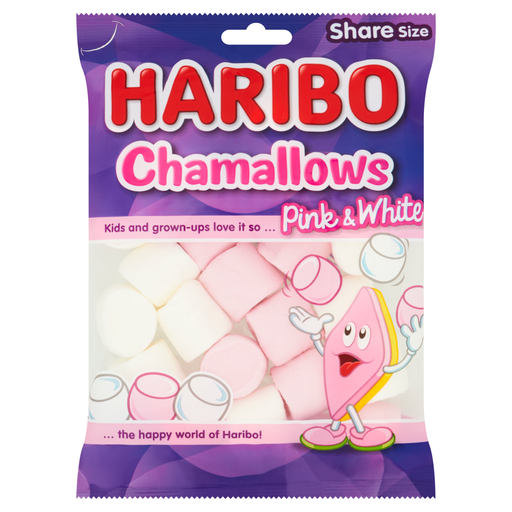 No image available
A 140g bag to consider when you intend to choose the amount for each lunch yourself. Check the current pack’s ingredients and allergen statements before sharing it.
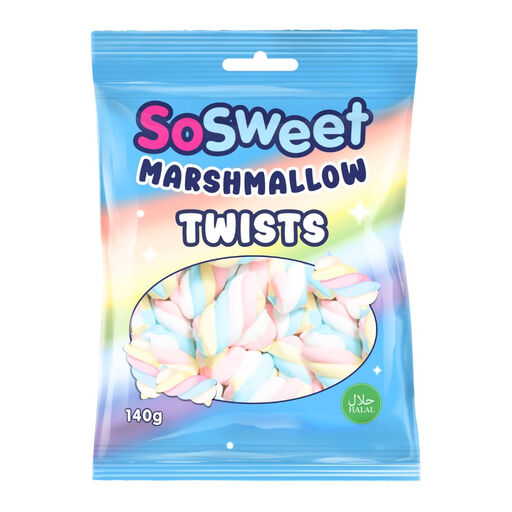 No image available
This 140g bag is another option for portioning marshmallows yourself. If an ingredient or dietary claim affects your choice, check it on the current physical pack.
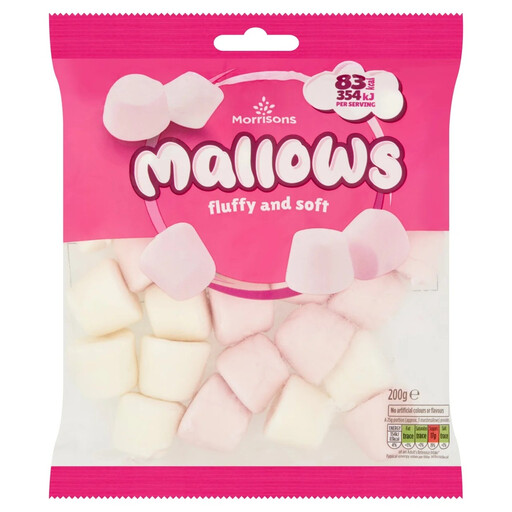 No image available
Consider the 200g bag if one pouch will be used across planned lunches. Check the physical pack for the gelatine source if that affects suitability, and follow its directions after opening.
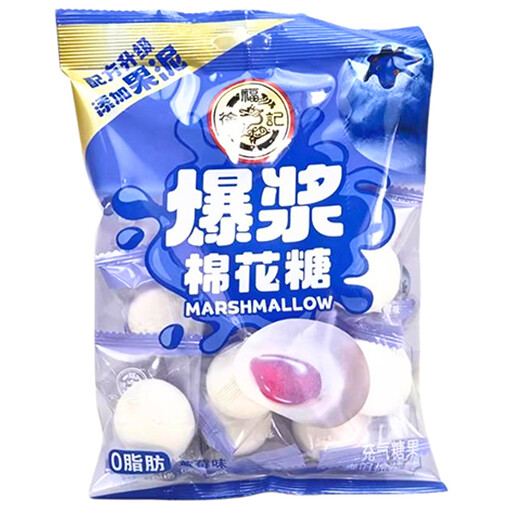 No image available
The 64g bag offers a smaller pack to portion yourself. Check its current label for the gelatine source, allergens and any ingredient warnings, particularly when packing it for a child.
No. Amazon UK lists the Haribo Chamallows case as 12 × 140g bags: it provides separate bags to keep unopened, but does not establish that their contents are individually wrapped or measured for one lunch.
Read the current pack’s ingredients and dietary statement. Waitrose Pink and White Marshmallows list beef gelatine, while M&S labels its Plant Kitchen Marshmallows vegan; appearance and pack size do not establish suitability.
Check the physical pack’s ingredients list and emphasised allergens, as well as any precautionary statement relevant to the eater. GOV.UK guidance says prepacked food must carry an ingredients list and allergenic ingredients must be emphasised when they appear in it.
Plan the main lunch separately rather than relying on confectionery for it. NHS Healthier Families advises checking nutrition labels for packaged children’s snacks; also check the setting’s policy and any age warning on the chosen pack. M&S says its Plant Kitchen marshmallows are not suitable for children under 36 months because of a potential choking hazard.
Follow the directions on that product’s pack. Waitrose says to keep its Pink and White Marshmallows in a cool, dry place; Epic Giant Toastin’ Mallows additionally direct shoppers to seal the bag tightly after opening.